No Surgery, No Crash Diets: A Smarter Way to Lose Weight

In a world full of extreme diet plans and invasive weight-loss surgeries, many people are searching for a safer, more sustainable approach to shedding excess weight. The good news? You don’t have to starve yourself or go under the knife to see real results. With advances in medical science and a balanced lifestyle, there are smarter ways to lose weight effectively and safely.
The Problem with Crash Diets and Surgery
Crash diets promise quick results—but often at a cost. They can slow down metabolism, lead to nutrient deficiencies, and cause weight regain once normal eating resumes. On the other hand, bariatric surgeries, while effective for some, involve risks, long recovery times, and permanent changes to your digestive system.
So, what’s the middle ground?
A Smarter Approach to Weight Loss
Modern weight loss focuses on sustainable habits combined with minimally invasive medical support when needed. This approach prioritizes long-term health over quick fixes.
1. Lifestyle First: The Foundation
Before exploring medical options, it’s essential to build a strong base:
These habits are non-negotiable—they enhance and sustain any treatment you choose.
2. Bariatric Artery Embolization: A Non-Surgical Breakthrough
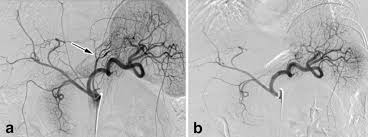
One of the most promising innovations in weight management is Bariatric Artery Embolization (BAE).
What Is It?
BAE is a minimally invasive procedure that reduces hunger by targeting the hormone ghrelin, often called the “hunger hormone.”
How It Works
Benefits of BAE
Who Can Benefit?
BAE is ideal for individuals who:
3. Mounjaro Injection: Medical Support for Weight Loss
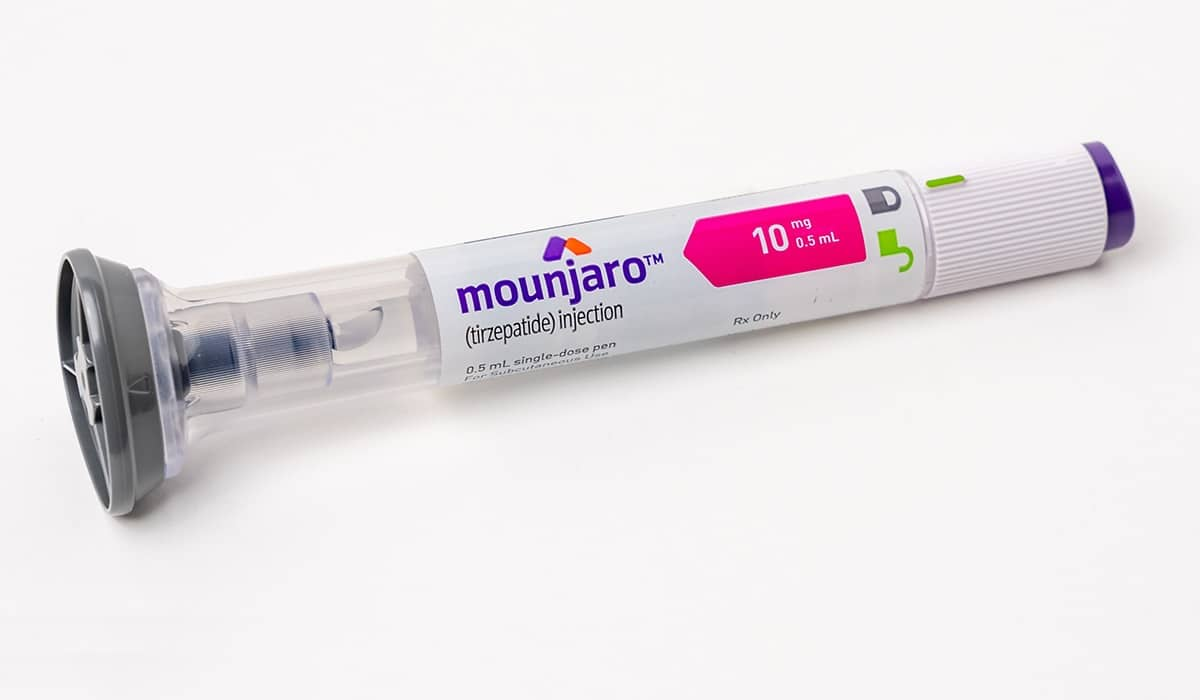
Another powerful tool in modern weight management is the Mounjaro injection.
What Is Mounjaro?
Mounjaro (tirzepatide) is a once-weekly injectable medication originally developed for type 2 diabetes but now widely used for weight loss under medical supervision.
How It Works
It mimics hormones that:
Benefits
Important Considerations
Combining Science with Sustainability
The smartest weight-loss strategy isn’t about choosing one method—it’s about combining the right tools:
This integrated approach leads to better, longer-lasting results without extreme measures.
What Makes This Approach Better?
Conclusion :
Weight loss doesn’t have to be painful, restrictive, or risky. With advancements like Bariatric Artery Embolization and medications like Mounjaro, combined with a healthy lifestyle, you can achieve your goals in a smarter and more balanced way.
The key is not quick fixes—but consistent, informed choices that support your body in the long run.
Before starting any treatment, always consult a qualified healthcare professional to determine what’s best for your individual needs.


Comments
Post a Comment