PRP Treatment for Knee Joint Pain: A Modern Non-Surgical Solution
Knee painis one of the most common problems people face today — whether due to arthritis,sports injuries, or wear and tear with age. Traditionally, treatmentsincluded medicines, physiotherapy, or surgery. But now, a new regenerativetherapy called PRP (Platelet-Rich Plasma) treatment is offering hopeto many patients.
.jpg)
What is PRP Treatment?
PRP (Platelet-Rich Plasma) therapy is a regenerative medicine technique where doctors use your own blood to help heal damaged tissues.
· A small amount of your blood is drawn.
·It’s processed in a centrifugeto separate platelets (rich in growth factors) from other blood components.
· This concentrated platelet solution (PRP) is then injected into the knee joint.
Healing injured tissues
Reducing inflammation
Stimulating new cell growth
🔹Conditions Where PRP Helps
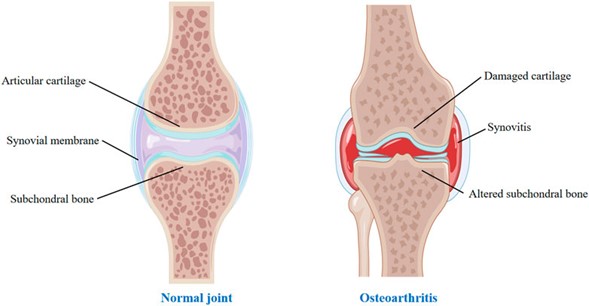
· Osteoarthritis (early& moderate stages)
· Sports injuries (meniscus tears, ligament strains)
· Patellar tendinitis(jumper’s knee)
· Cartilage degeneration
Procedure Steps
1.Blood Collection – 10–30 ml of patient’s blood is drawn.
2.Centrifugation – separates PRP from red/white blood cells.
3.PRP Extraction – 3–5 ml concentrated PRP prepared.
4.Injection – under sterile conditions (sometimes with ultrasound guidance).
5.Recovery – patient rests for a short time, then can walk normally.
.jpg)
🔹Benefits of PRP in the Knee
· Natural (uses your own blood,no foreign chemicals).
· Non-surgical and minimallyinvasive.
· Reduces pain and stiffness.
· Improves mobility and function.
· May delay or avoid kneereplacement surgery in some patients.
🔹Limitations / Risks
· Works best in early tomoderate arthritis (not severe/end-stage).


Comments
Post a Comment