Many people initially ignore varicose veins, thinking they are just a minor cosmetic concern. But as time passes, these veins often become more visible, uncomfortable, and even painful.
So, what causes this gradual worsening?
Let’s understand why varicose veins tend to progress and why early attention is important.
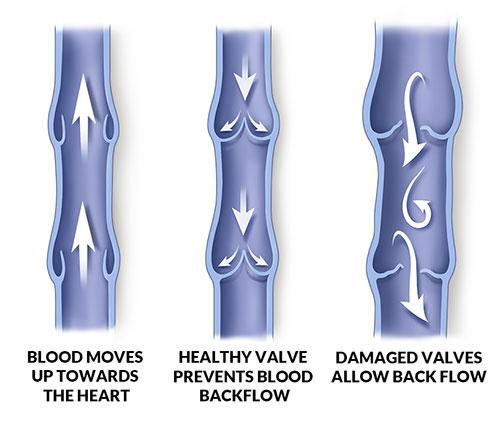
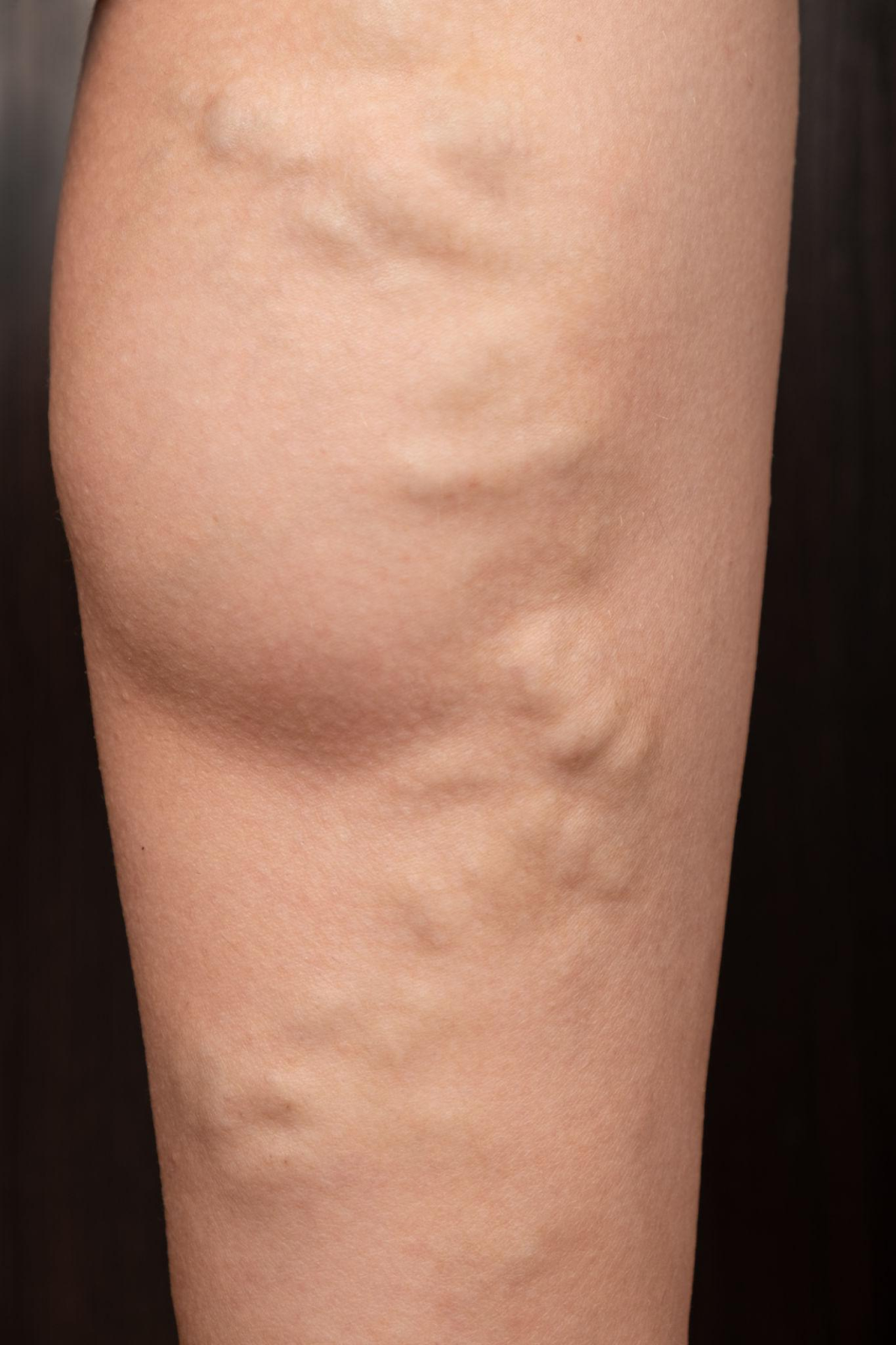
Varicose veins develop when the veins—most commonly in the legs—lose their ability to push blood efficiently back toward the heart.
Normally, small valves inside the veins keep blood moving in one direction. When these valves weaken or stop working properly, blood starts collecting in the veins, making them appear swollen and twisted.
Why the Condition Gets Worse
Varicose veins don’t remain the same—they tend to gradually progress. Here’s why:
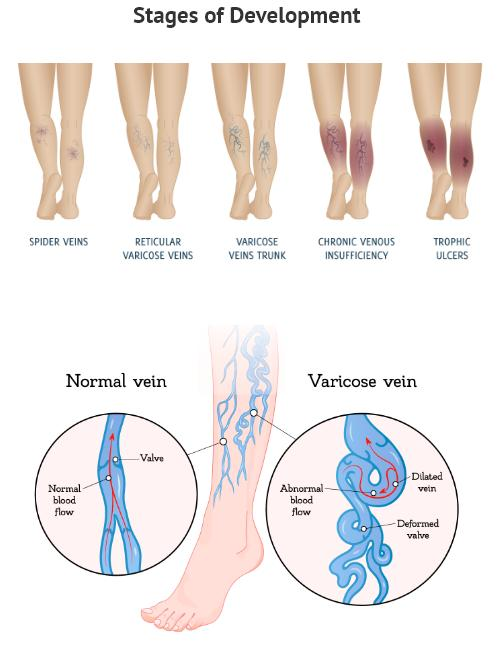
This leads to:
Jobs that require long hours of sitting or standing—like banking or office work—can accelerate the problem.
When you stay in one position for too long:
Daily physical strain, even from routine activities, adds pressure to already weakened veins.
Without proper valve support:
With age, the structure of veins changes:
This natural decline makes varicose veins more likely to worsen over time.
Extra weight places additional stress on the veins in your legs. Combined with:
Hormonal changes, especially in women, can affect vein strength.
Situations like:
One of the most common reasons for worsening is delay in seeking treatment.
Early signs often include:
What If Varicose Veins Are Not Treated?
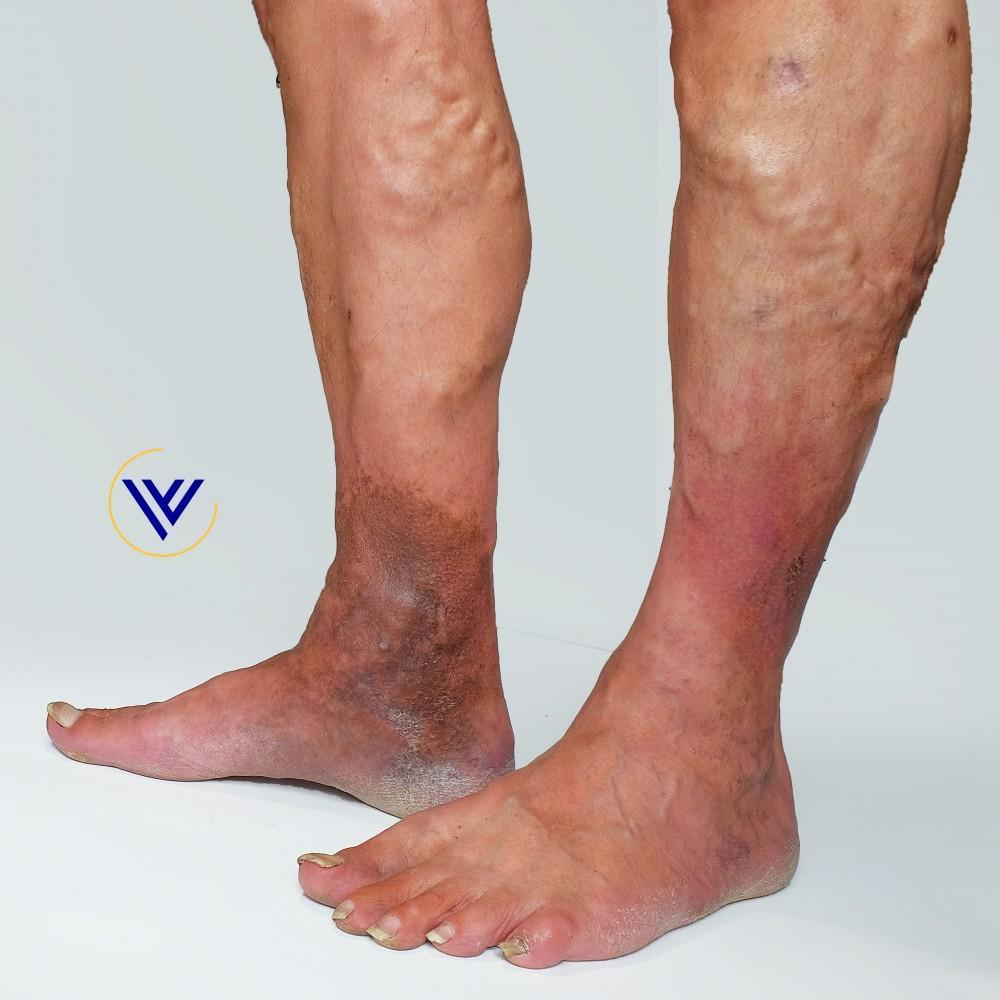
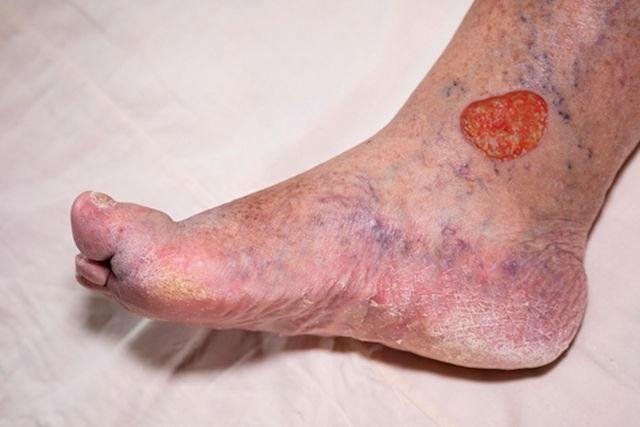
When neglected, varicose veins can lead to:
Can Progression Be Controlled?
Yes—taking action at the right time can make a big difference.
Helpful lifestyle measures:
Medical treatment options:
Modern procedures are safe, quick, and minimally invasive, including:
These treatments directly address the underlying issue—damaged veins.
At Bankers Vascular Hospital, we focus on advanced and minimally invasive solutions for varicose veins. Our aim is to provide effective treatment with minimal discomfort, helping patients return to their normal routine quickly.


Comments
Post a Comment