Home Remedies vs Medical Treatment for Piles: What’s Better?
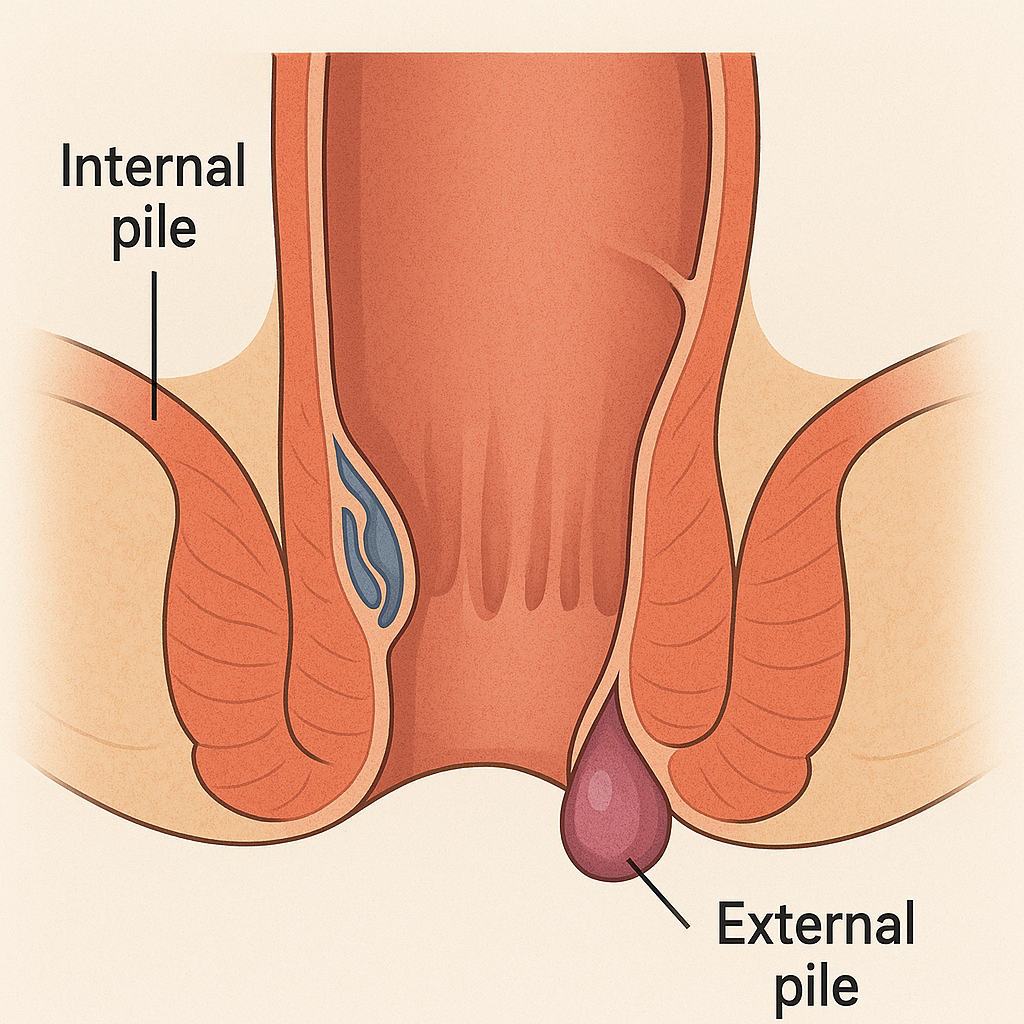
Piles, also known as hemorrhoids, are a common yet uncomfortable condition that affects millions of people worldwide. Characterized by swollen veins in the rectal or anal area, piles can cause pain, itching, bleeding, and discomfort—especially during bowel movements. When it comes to treatment, many people find themselves confused between relying on home remedies or seeking medical intervention. So, what’s actually better? Let’s break it down.
Understanding Piles: A Quick Overview
Piles can be broadly classified into two types: internal (inside the rectum) and external (under the skin around the anus). They are often caused by factors such as chronic constipation, prolonged sitting, obesity, pregnancy, and low-fiber diets.
The severity of piles can vary from mild irritation to severe pain and bleeding, which is why choosing the right treatment approach is crucial.
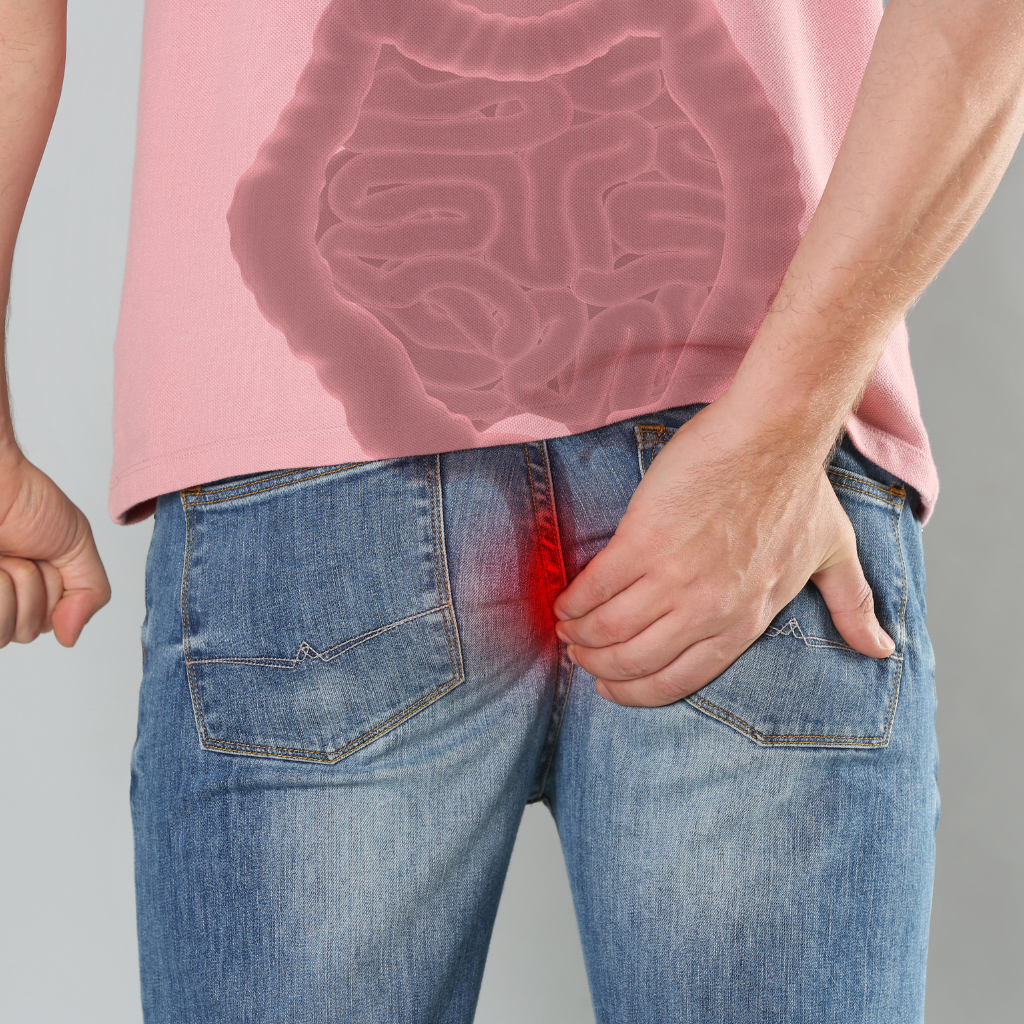
Home Remedies for Piles
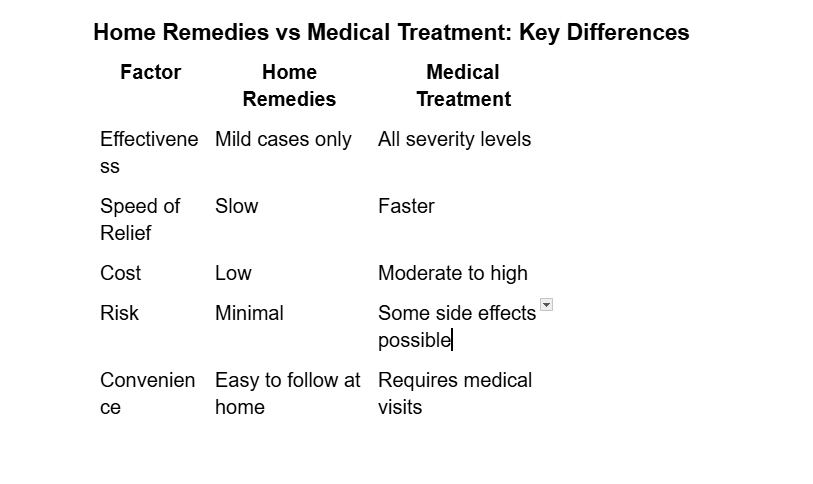
Home remedies are usually the first line of defense, especially in mild or early-stage cases. They are natural, cost-effective, and easy to follow.
1. High-Fiber Diet
Eating fiber-rich foods like fruits, vegetables, and whole grains helps soften stools and reduce straining during bowel movements.

2. Hydrationd
Drinking plenty of water supports digestion and prevents constipation, a major trigger for piles.
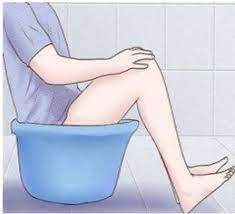
3. Warm Sitz Baths
Soaking the anal area in warm water for 10–15 minutes several times a day can reduce pain and inflammation.
4. Topical Natural Remedies
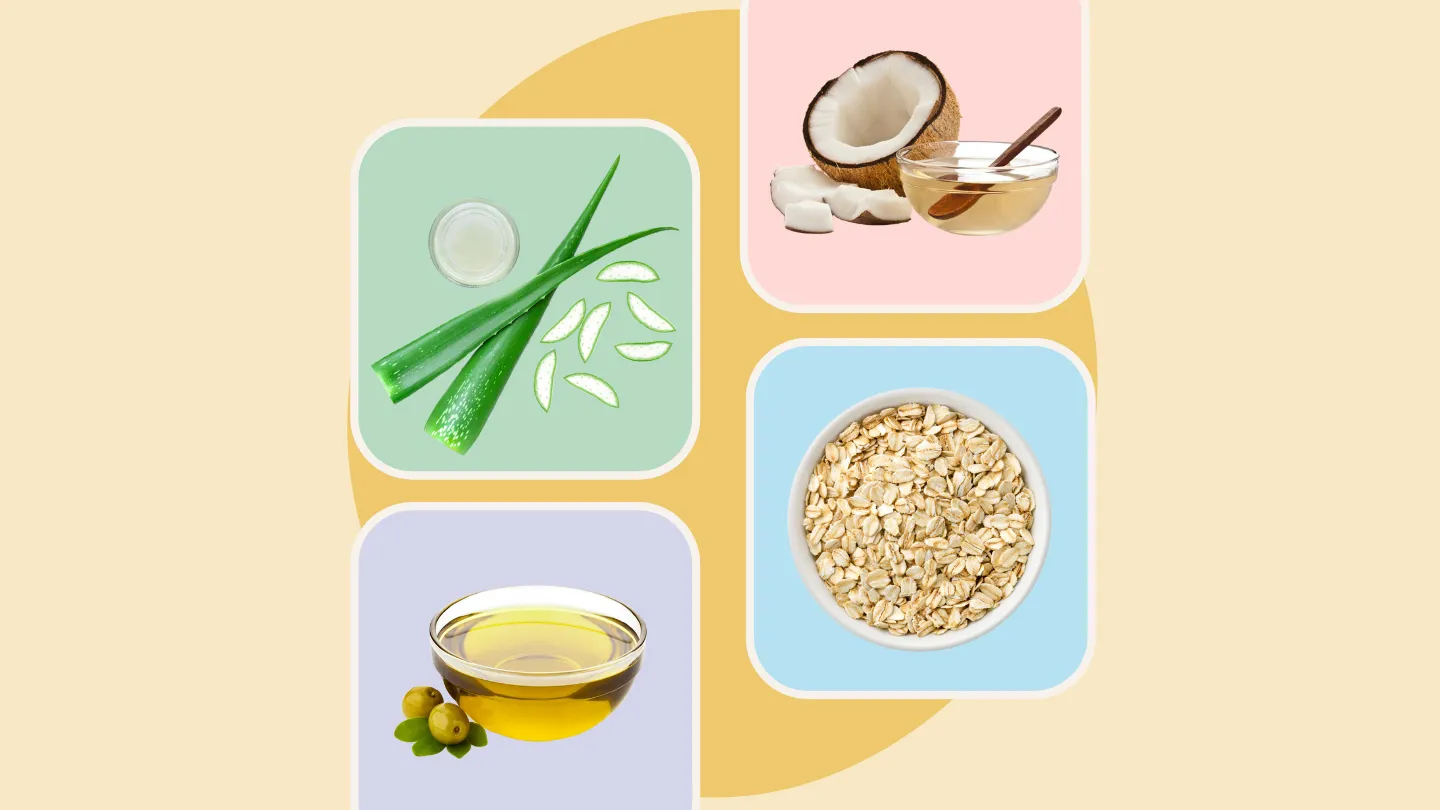
Ingredients like aloe vera, coconut oil, and witch hazel may provide temporary relief from itching and irritation.
5. Regular Exercise
Physical activity helps improve bowel movements and reduces pressure on rectal veins.

Pros of Home Remedies
Limitations
Medical Treatment for Piles
When symptoms become persistent, painful, or severe, medical treatment is often necessary. Modern medicine offers a wide range of options depending on the severity.
1. Medications

Doctors may prescribe creams, ointments, or oral medications to reduce pain, swelling, and inflammation.
2. Minimally Invasive Procedures
Procedures like rubber band ligation, sclerotherapy, or infrared coagulation are commonly used for moderate cases.
3. Surgical Options
In severe cases, surgeries such as hemorrhoidectomy or stapled hemorrhoidopexy may be recommended for long-term relief.
Pros of Medical Treatment
Limitations
Hemorrhoidal Artery Embolization (HAE) is a modern, minimally invasive procedure used to treat piles (hemorrhoids), especially in patients with persistent bleeding or those who want to avoid traditional surgery.
What Is Hemorrhoidal Artery Embolization?
HAE is a non-surgical technique in which the blood supply to the hemorrhoids is reduced by blocking specific arteries. Since hemorrhoids are essentially swollen blood vessels, cutting off their excess blood flow causes them to shrink and symptoms to improve.
How the Procedure Works
The procedure is typically performed by an interventional radiologist and involves the following steps:
Key Benefits
Who Is It For?
HAE is generally recommended for:
Risks and Limitations
While considered safe, HAE may have some risks:
Recovery and Aftercare
How Effective Is It?
Studies have shown that HAE can significantly reduce bleeding and improve quality of life in many patients. However, long-term results may vary, and some patients might require additional treatments.
What’s Better?
The answer depends largely on the severity of your condition.
When to See a Doctor
Do not ignore symptoms if you experience:
Early medical advice can prevent complications and ensure faster recovery.
Conclusion :
There is no one-size-fits-all answer when it comes to treating piles. While home remedies offer a gentle and natural approach, medical treatments provide quicker and more definitive relief for serious cases. Listening to your body and acting early is key.
If symptoms persist, don’t hesitate to seek professional help—because your health and comfort should always come first.


Comments
Post a Comment