“Frequent Urination at Night? It Could Be Prostate Enlargement”
Sleep is meant to restore your body—but if your nights are constantly interrupted by trips to the bathroom, it’s a signal worth paying attention to.
Many men assume this is just part of aging. While age does play a role, frequent night urination is often linked to prostate enlargement, a condition that quietly develops over time.
Most men don’t think about their prostate—until it starts causing trouble.
This small gland sits just below the bladder and surrounds the urine passage. As it gradually increases in size with age, it begins to press against this passage, subtly affecting how urine flows.
The change is slow, which is why many people ignore the early signs.
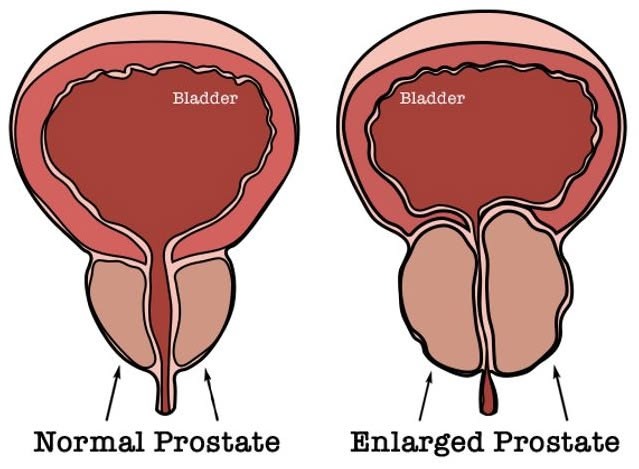
Interestingly, symptoms often feel worse at night rather than during the day. Here’s what’s happening inside your body:
This creates a cycle—frequent urge, incomplete relief, and repeated awakenings.
It’s Not Just “More Urination” — It’s a Pattern
If prostate enlargement is the cause, you’ll likely notice a combination of changes:
These signs may seem mild at first, but they tend to gradually intensify.
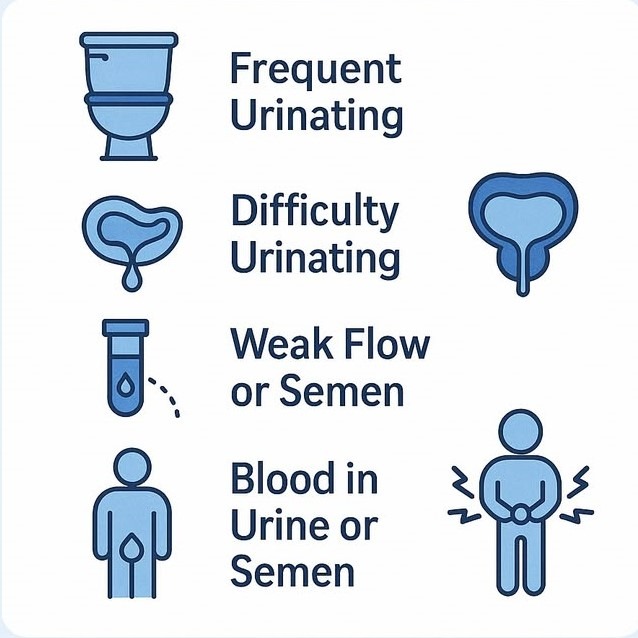
While this condition is common, some men should be extra cautious:
When Should You Take It Seriously?
It’s time to stop ignoring the problem if:
What starts as a minor disturbance can evolve into a bigger health issue if left unchecked.
How Is the Condition Evaluated?
Diagnosing prostate enlargement is usually straightforward. Your doctor may suggest:
These help determine the severity and guide further management.
Options for Managing the Condition:
Treatment today is highly effective and depends on how much the symptoms are affecting your life.
Simple Daily Changes
Small habits can make a noticeable difference:
Medical Treatment
Medications can:
Advanced Non-Surgical Solutions
Modern minimally invasive treatments like prostatic artery embolization provide major relief without major surgery and allow quicker recovery.

Surgical Care
In more severe cases, surgical intervention may be needed for long-term resolution.
Why You Shouldn’t Delay Treatment
If left untreated, prostate enlargement can lead to:
Early management not only improves symptoms but also protects long-term health.
Takeaway
Frequent urination at night may seem like a small issue, but it can be an early indicator of prostate enlargement. Recognizing the signs early and seeking timely care can significantly improve your quality of life.
At Bankers Vascular Hospital, we combine clinical expertise with advanced, minimally invasive treatment options to manage conditions that impact your daily life. Our focus is on accurate diagnosis, patient comfort, and long-term results.
Because uninterrupted sleep isn’t a luxury—it’s essential for your health.


Comments
Post a Comment