Why Some Body Pains Don’t Show on X-Ray

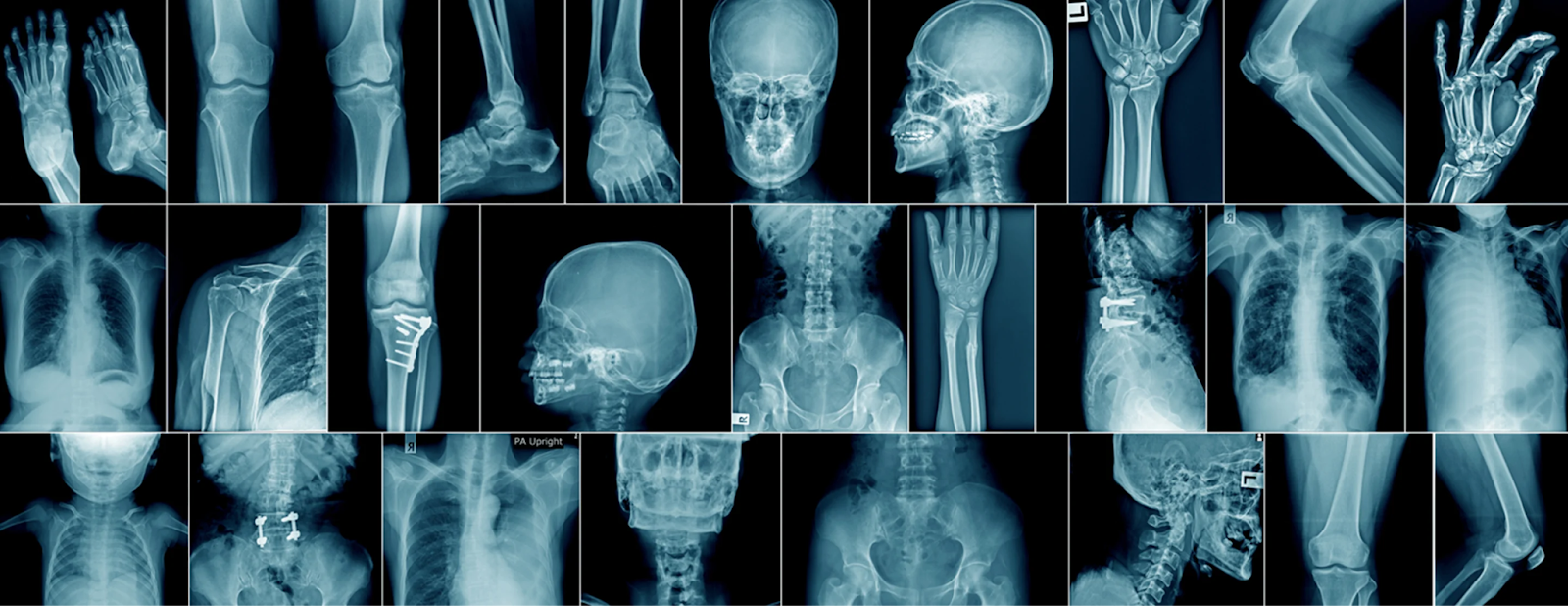
X-rays are one of the most common imaging tools used to diagnose injuries and medical conditions. They are fast, widely available, and excellent at revealing broken bones. However, many people are surprised — and frustrated — when they experience persistent pain but are told their X-ray results are “normal.”
So why does this happen? The answer lies in what X-rays can — and cannot — show.
What X-Rays Are Designed to Detect
X-rays work by passing radiation through the body to create images based on tissue density. Dense structures absorb more radiation and appear white on the image.
X-rays are particularly good at identifying:
Because of this, X-rays are often the first imaging test ordered after an injury.
What X-Rays Cannot Show Clearly
Many sources of pain involve soft tissues, which do not appear well on X-ray images. These tissues have similar densities and therefore do not create enough contrast.
Conditions that may cause pain but not appear on X-rays include:
This is why pain can exist even when X-ray findings look normal.
Common Reasons Pain Doesn’t Appear on X-Ray
1. Soft Tissue Injuries
Muscles, ligaments, and tendons are frequent sources of pain, especially after physical activity or minor trauma. Since X-rays focus on bones, these injuries often go undetected.
2. Nerve-Related Pain
Nerve compression or irritation can cause sharp, burning, or radiating pain. Conditions like sciatica or carpal tunnel syndrome involve nerves, not bones, and usually require advanced imaging or nerve tests.
3. Inflammation Without Structural Damage
Inflammation can be painful even when no visible damage is present. Early arthritis, bursitis, or tendonitis may not show obvious changes on X-ray, particularly in the early stages.
4. Stress Injuries and Microfractures
Stress fractures may not be visible on X-rays until healing begins. Pain may be present for weeks before imaging confirms the injury.
5. Referred Pain
Sometimes pain originates in one part of the body but is felt elsewhere. For example, hip problems may cause knee pain, or spinal issues may cause arm or leg pain.
When Other Imaging Tests Are Needed
If pain persists despite a normal X-ray, doctors may recommend additional tests such as:
These tools provide a more complete picture of what’s causing the pain.
The Role of Clinical Evaluation
Imaging is only one part of diagnosis. A thorough physical examination, medical history, and symptom description are equally important. Pain levels, movement limitations, and lifestyle factors all help guide accurate diagnosis and treatment.
What to Do If Your Pain Persists
If your pain continues despite normal X-ray results:
Early evaluation can prevent chronic issues and complications.
Final Thoughts
X-rays are a valuable diagnostic tool, but they are not designed to detect every cause of pain. Many painful conditions involve soft tissues, nerves, or early-stage changes that simply don’t appear on X-ray images.
Understanding the limitations of X-rays can reduce frustration and encourage patients to seek appropriate follow-up care when pain persists.


Comments
Post a Comment