Why Small Foot Wounds Can Become Serious in Diabetes
For people with diabetes, a small cut, blister, or sore on the foot can quickly turn into a serious medical problem. What may seem minor can lead to infection, delayed healing, and in severe cases, hospitalization or amputation. Understanding why this happens is key to prevention.
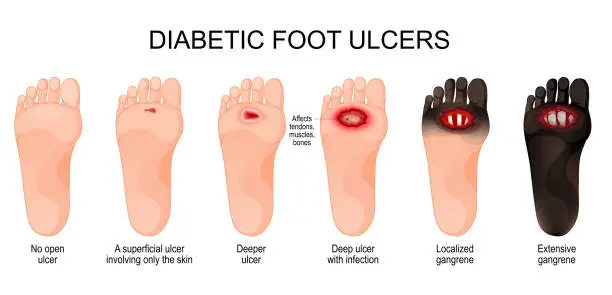
Reduced Sensation Masks Injury
Diabetes can damage nerves in the feet, a condition known as diabetic neuropathy. This reduces the ability to feel pain, heat, or pressure. As a result, small wounds may go unnoticed and untreated for days or weeks, allowing them to worsen.
Poor Blood Flow Slows Healing
High blood sugar damages blood vessels and reduces circulation, especially to the feet. Poor blood flow means less oxygen and fewer nutrients reach a wound, slowing healing and making it easier for infections to develop.
Higher Risk of Infection
Diabetes weakens the immune system’s ability to fight bacteria. Even a small break in the skin can become infected quickly, and infections may spread deeper into the skin, muscle, or bone if not treated early.
Pressure and Repeated Trauma
Walking on an injured foot places constant pressure on wounds, preventing them from healing. Poorly fitting shoes, calluses, or foot deformities can repeatedly irritate the same area, making small wounds larger over time.
Why Early Care Is Critical
Untreated foot wounds can develop into ulcers, abscesses, or bone infections. These complications are a leading cause of diabetes-related amputations—but many are preventable with early care.
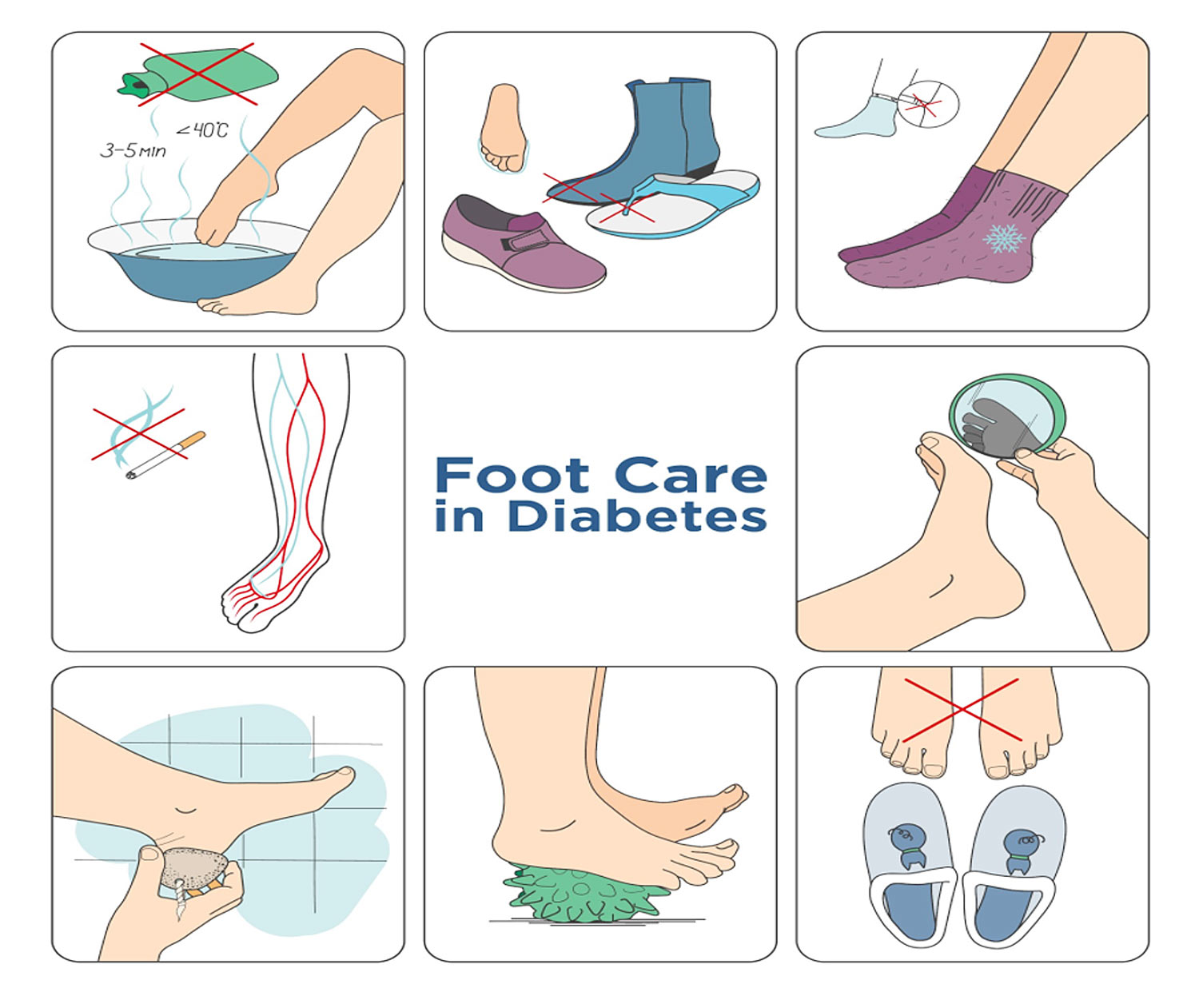
How to Protect Your Feet


Comments
Post a Comment