Why Shoulder Pain at Night Should Not Be Ignored
Nighttime shoulder pain often becomes noticeable because the body is at rest and there are fewer distractions. Certain positions during sleep may also place additional pressure on the shoulder joint, increasing discomfort.
Several factors can contribute to nighttime shoulder pain, including:
If the pain consistently disrupts sleep, it should not be ignored.
Common Causes of Nighttime Shoulder Pain
1. Rotator Cuff Injuries
4
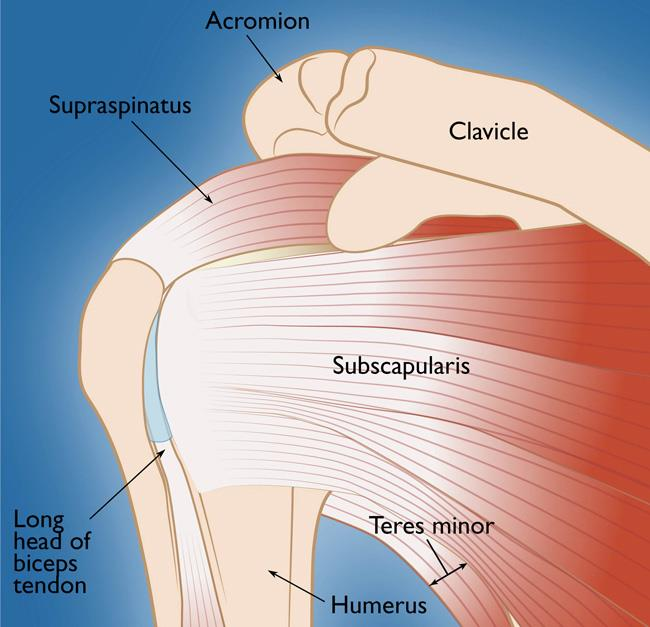
The Rotator Cuff Tear is one of the most frequent causes of shoulder pain at night. The rotator cuff is a group of muscles and tendons that stabilize the shoulder joint.
When these tendons become inflamed or torn, patients often experience:
This condition is common in athletes, people performing repetitive overhead activities, and older adults.
2. Shoulder Bursitis
4
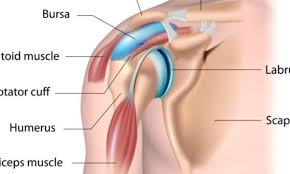
Another possible cause is Shoulder Bursitis, which occurs when the small fluid-filled sacs (bursae) that cushion the joint become inflamed.
Symptoms may include:
Nighttime pressure on the inflamed bursa can intensify pain while sleep
3. Frozen Shoulder
4
Adhesive Capsulitis, commonly known as frozen shoulder, is characterized by stiffness and reduced mobility in the shoulder joint.
People with frozen shoulder often experience:
This condition is more common in individuals between the ages of 40 and 60 and in people with certain medical conditions such as diabetes.
Warning Signs You Should Not Ignore
If shoulder pain at night is accompanied by any of the following symptoms, medical evaluation is recommended:
Early diagnosis can prevent further joint damage and improve recovery outcomes.
Tips to Reduce Shoulder Pain at Night
While medical treatment may be necessary for certain conditions, a few lifestyle adjustments can help reduce discomfort:
However, these measures should not replace professional medical advice if pain persists.
When to See a Doctor
If shoulder pain regularly disrupts sleep or affects daily activities, it is important to consult a healthcare professional. Early evaluation may include physical examination, imaging tests, and appropriate treatment options such as physical therapy, medication, or other interventions depending on the diagnosis.


Comments
Post a Comment