When Fibroids Don’t Need Surgery: A Doctor’s Perspective
Uterine fibroids are extremely common, especially in women between the ages of 30 and 50. Hearing the word fibroid often creates anxiety, and many patients immediately fear surgery. However, the truth is that most fibroids do NOT require surgery.
As doctors, our first goal is not removal—but relief of symptoms, preservation of the uterus, and improvement in quality of life. Let’s understand when fibroids can be safely managed without surgery.
What Are Uterine Fibroids?
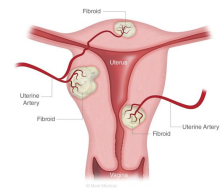
Fibroids are non-cancerous growths that develop from the muscle layer of the uterus. They vary in size, number, and location and may be:
∙ Intramural (within the uterine wall)
∙ Subserosal (on the outer surface)
∙ Submucosal (projecting into the uterine cavity)
Many women have fibroids without ever knowing it.
When Fibroids Do NOT Need Surgery
1. Fibroids Without Symptoms
If fibroids are found incidentally on ultrasound and do not cause pain, heavy periods, pressure, or fertility issues, no treatment is needed.
In such cases, observation and periodic follow-up is enough.
2. Small Fibroids With Mild Symptoms
Fibroids smaller than 3–4 cm that cause mild discomfort or slightly heavy periods often respond well to:
∙ Hormonal medications
∙ Iron supplements (if anemia is present)
∙ Lifestyle modifications
Surgery is not justified unless symptoms worsen.
3. Fibroids Near Menopause
Fibroids are estrogen-dependent. As a woman approaches menopause, hormone levels naturally decline and fibroids often shrink on their own.
For women above 45 with tolerable symptoms, conservative management is preferred.
4. Fibroids Not Affecting Fertility or Pregnancy
Many women conceive and deliver safely despite having fibroids.
Surgery is not required if:
∙ Fibroids are not distorting the uterine cavity
∙ There is no history of infertility or pregnancy loss
5. Fibroids Controlled With Medications
Some fibroid-related symptoms like heavy bleeding can be effectively managed with:
∙ Hormonal therapy
∙ Tranexamic acid
∙ Progesterone-based treatments
If symptoms are controlled, surgery can be avoided.
6. Fibroids Treatable With Non-Surgical Procedures
Advancements in medical technology now allow fibroid treatment without open surgery, such as:
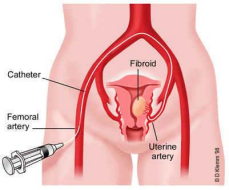
∙ Uterine Fibroid Embolization (UFE)
o Blocks blood supply to fibroids
o Fibroids shrink naturally
o Uterus is preserved
o No stitches, no scars, faster recovery
An excellent option for women seeking non-surgical care.
When Surgery May Be Needed
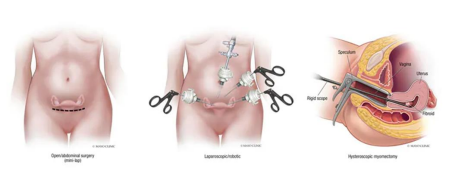
Surgery is considered only when:
∙ Heavy bleeding causes severe anemia
∙ Persistent pelvic pain affects daily life
∙ Fibroids grow rapidly
∙ Pressure symptoms affect bladder or bowel
∙ Recurrent pregnancy loss due to fibroids
Even then, surgery is one of several options—not the default choice.
A Doctor’s Final Advice
Fibroids are benign and manageable. The presence of fibroids alone does not mean surgery is required. Each patient is unique, and treatment should be individualized based on:
∙ Symptoms
∙ Age
∙ Desire for fertility
∙ Fibroid size and location
∙ Overall health
The best treatment is the least invasive option that effectively relieves symptoms.
Expert Non-Surgical Fibroid Care at Bankers Vascular Hospital
At Bankers Vascular Hospital, we specialize in advanced, uterus-preserving, non surgical fibroid treatments, including Uterine Fibroid Embolization (UFE) performed by experienced interventional specialists.
Why choose us?
∙ No major surgery
∙ Minimal hospital stay
∙ Faster recovery
∙ Personalized treatment approach
∙ Multidisciplinary expert care
Consult our specialists to understand whether your fibroids truly need surgery— or not.


Comments
Post a Comment