What Tests Are Required Before Gastric Artery Embolisation?
Gastric Artery Embolisation (GAE) is an advanced, minimally invasive procedure designed to support weight loss by reducing hunger hormones. Before undergoing this treatment, a thorough medical evaluation is essential to ensure safety and optimal results.
If you are considering this procedure at Bankers Vascular Hospital, here’s what you need to know about the required pre-procedure tests.
What Is Gastric Artery Embolisation?
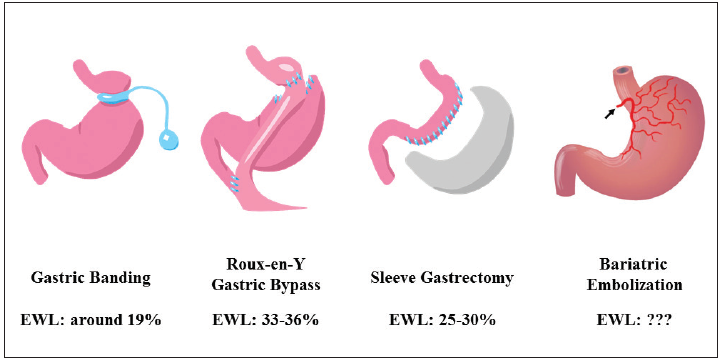
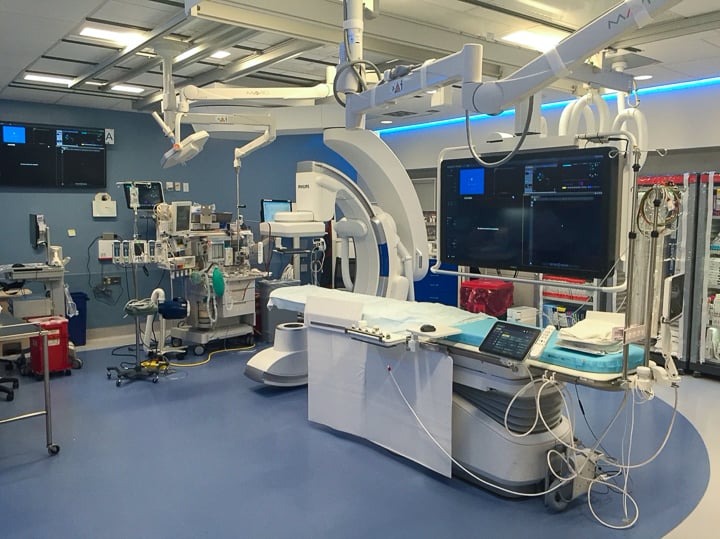
Gastric Artery Embolisation is a non-surgical, image-guided procedure performed by an interventional radiologist. It works by blocking specific arteries (usually the left gastric artery -supply blood to the stomach lining responsible for producing ghrelin, the hunger hormone.
By reducing ghrelin levels, patients experience:
Essential Tests Before Gastric Artery Embolisation
A comprehensive evaluation ensures that you are a suitable candidate and minimizes procedural risks.
1.Blood Tests
Routine blood investigations help assess your overall health:
These tests confirm that your body can safely undergo the procedure and heal properly.
2.Thyroid Function Test
Thyroid imbalance can contribute to weight gain. Checking thyroid hormone levels ensures that obesity is not primarily due to untreated thyroid disorders.
3. Ultrasound Abdomen
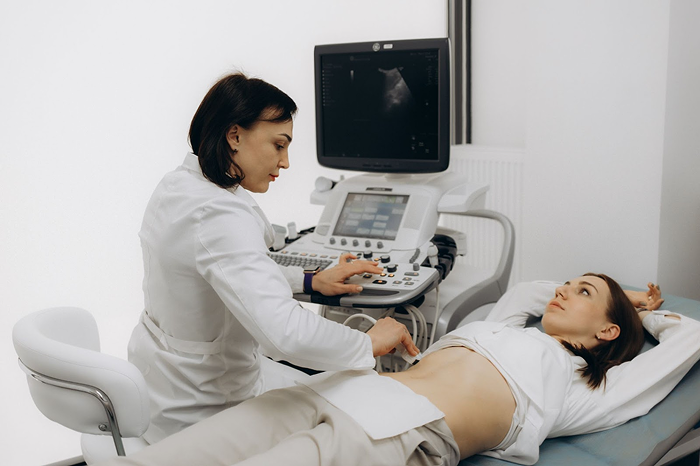
An abdominal ultrasound evaluates:
This helps rule out underlying issues that may affect treatment planning.
4. Upper GI Endoscopy (If Required)
In some cases, an upper GI endoscopy is advised to:
This ensures the stomach lining is suitable for embolisation.
5. CT Angiography (CTA)
CT angiography provides detailed imaging of blood vessels supplying the stomach. It helps:
This imaging is crucial for procedural accuracy.
6. BMI and Clinical Evaluation
A detailed clinical consultation includes:
Why Pre-Procedure Testing Is Important
These tests help:
Skipping evaluation may increase procedural risk or affect outcomes.
Treatment at Bankers Vascular Hospital
At Bankers Vascular Hospital, Gastric Artery Embolisation is performed by experienced interventional radiology specialists using advanced imaging technology.
Why Choose Bankers Vascular Hospital?
The hospital ensures that all required tests are completed before scheduling the procedure, prioritizing patient safety and long-term results.
Who Is a Suitable Candidate?
You may be eligible if you:
A specialist consultation will confirm suitability.
What Happens After Testing?
Once test results are reviewed:
Most patients are discharged within 24 hours after embolisation.
Final Thoughts
Gastric Artery Embolisation offers a promising, non-surgical solution for weight management. However, thorough pre-procedure testing is essential to ensure safety, precision, and successful outcomes.
If you are considering this treatment, consult the experts at Bankers Vascular Hospital for a comprehensive evaluation and personalized care plan.


Comments
Post a Comment