What Is Visceral Fat and Why Is It Dangerous?
When people think about body fat, they often picture the soft layer just under the skin that you can pinch. But there’s another type of fat that’s far more concerning for your health: visceral fat.
Unlike surface-level fat, visceral fat surrounds your internal organs and plays a major role in long-term health risks. Understanding what it is—and why it matters—can help you take proactive steps toward better health.
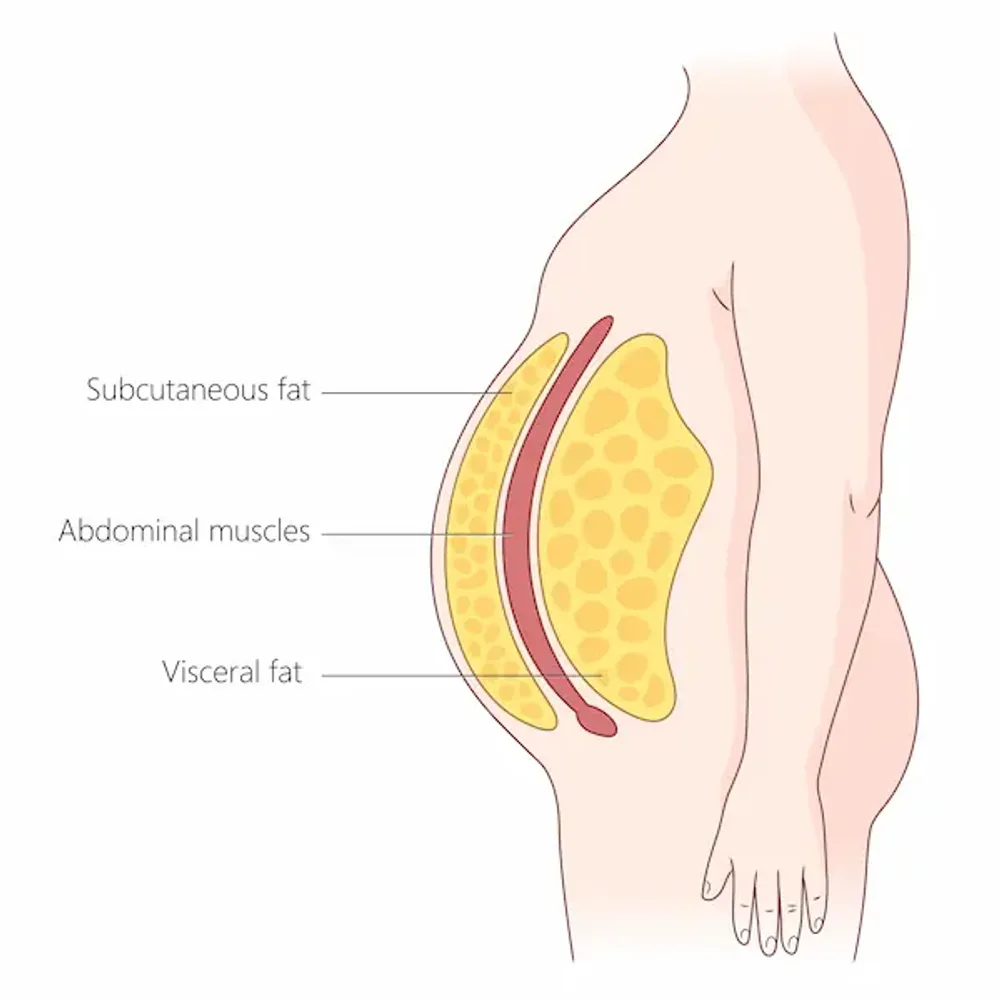
What Is Visceral Fat?
Visceral fat is a type of body fat stored deep within the abdominal cavity. It wraps around vital organs such as the liver, pancreas, and intestines.
This differs from subcutaneous fat, which sits just beneath the skin.
While some visceral fat is normal and even necessary for cushioning organs, excess amounts can interfere with how your body functions.

Why Is Visceral Fat Dangerous?
Excess visceral fat is strongly linked to several serious health conditions:
1. Heart Disease
Visceral fat increases inflammation and raises levels of harmful cholesterol, increasing the risk of cardiovascular disease.
2. Type 2 Diabetes
High levels of visceral fat contribute to insulin resistance, a key factor in developing Type 2 diabetes.
3. High Blood Pressure
Hormonal changes triggered by visceral fat can raise blood pressure and strain the cardiovascular system.
4. Fatty Liver Disease
Visceral fat is closely connected to Nonalcoholic fatty liver disease, a condition where fat builds up in the liver.
5. Increased Risk of Stroke
Excess abdominal fat is associated with higher risk of stroke and other vascular complications.
Why Is Visceral Fat More Harmful?
Visceral fat is metabolically active. This means it doesn’t just sit there—it releases:
These substances can disrupt normal hormone balance and increase systemic inflammation, which contributes to chronic diseases.
What Causes Visceral Fat?
Several factors contribute to the accumulation of visceral fat:
Men are generally more prone to storing fat viscerally, but postmenopausal women also face increased risk.
How Do You Know If You Have Too Much Visceral Fat?
Because visceral fat is stored deep in the abdomen, you can’t measure it by pinching your skin.
However, warning signs include:
Healthcare providers may use:
A waist measurement greater than 40 inches (102 cm) in men and 35 inches (88 cm) in women is often associated with higher visceral fat levels.
How to Reduce Visceral Fat
The good news? Visceral fat responds well to lifestyle changes.
1. Improve Your Diet
2. Exercise Regularly
3. Manage Stress
Chronic stress raises cortisol levels, which promotes abdominal fat storage.
4. Get Enough Sleep
Poor sleep is strongly linked to weight gain and increased visceral fat.
5. Maintain Consistency
Sustainable habits—not quick fixes—lead to long-term results.


Comments
Post a Comment