Warning Signs That Knee Pain Is Serious
Knee pain is common — whether from aging, injury, arthritis, or overuse. But not all knee pain is “normal.” Sometimes, it’s your body’s way of signaling something more serious that needs medical attention.
Understanding the warning signs can help you act early and prevent long-term damage.
Warning Signs Your Knee Pain May Be Serious
Persistent Swelling That Doesn’t Improve

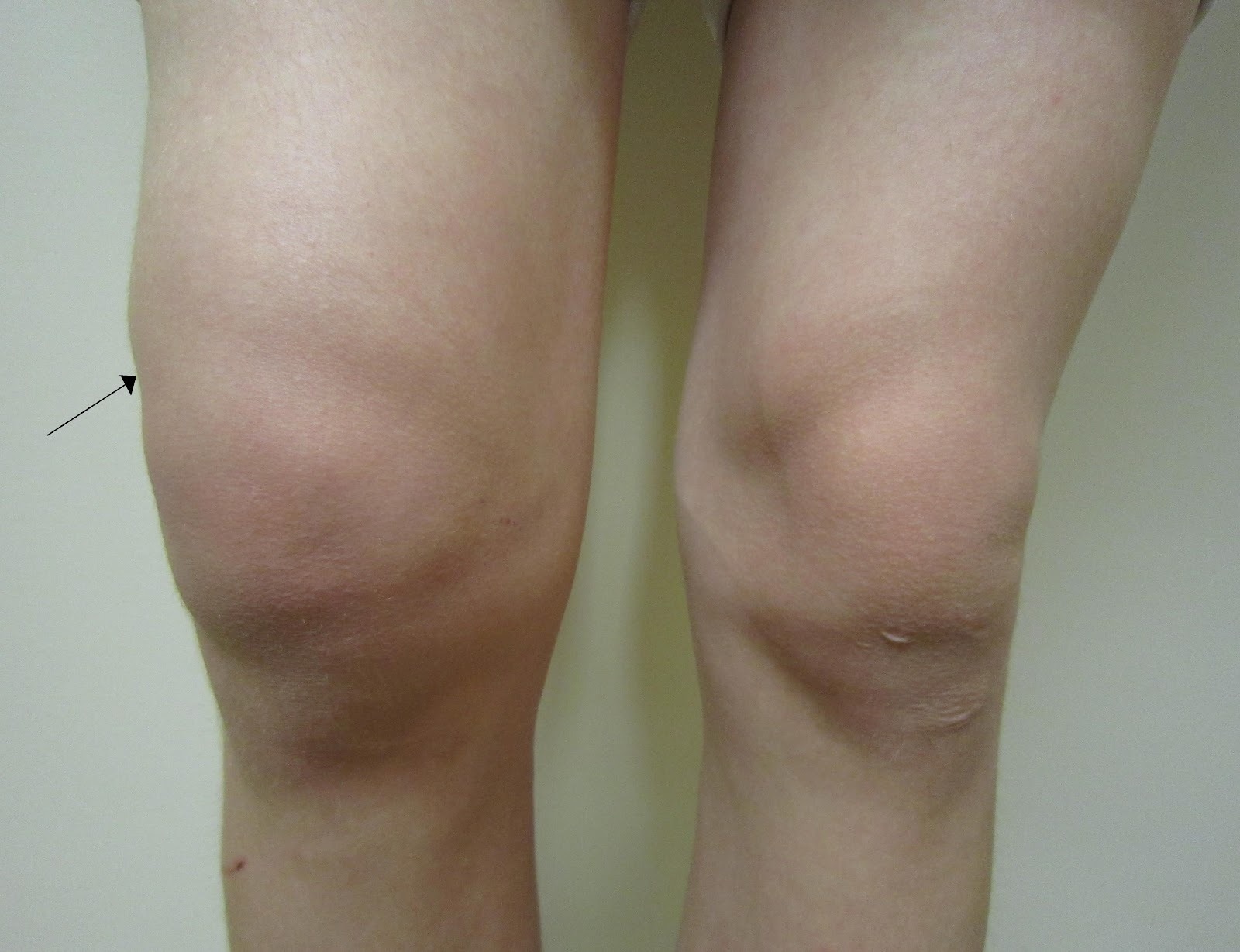

If your knee remains swollen for several days or keeps swelling repeatedly, it could indicate:
Chronic swelling often signals internal joint damage that needs evaluation.
Severe Pain That Limits Movement

If you:
This may point to structural damage like cartilage loss, meniscus injury, or severe arthritis.
Knee Instability or “Giving Way”


A knee that feels unstable or suddenly gives out may suggest:
Instability increases fall risk, especially in older adults.
Redness, Warmth, and Fever


These are urgent warning signs. If knee pain is accompanied by:
It may indicate infection (septic arthritis), which requires immediate medical care.
Pain That Persists Despite Conservative Treatment
If your knee pain continues for 3–6 months despite:
You may have chronic inflammatory knee pain, often seen in osteoarthritis.
When Is It Likely Osteoarthritis?
Knee osteoarthritis is one of the most common causes of chronic knee pain, especially in adults over 40. It involves cartilage breakdown and inflammation inside the joint.
Common symptoms:
Advanced Treatment Option: Genicular Artery Embolization (GAE)
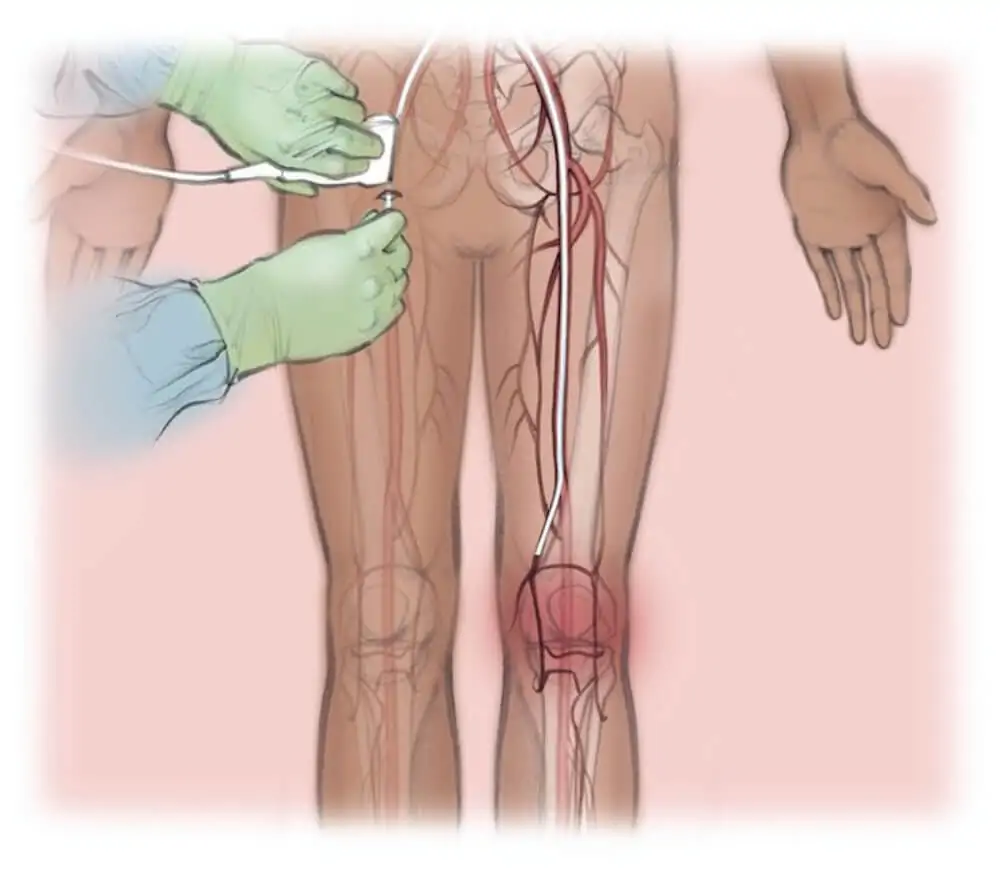
If conservative treatments fail, Genicular Artery Embolization (GAE) may be an innovative, minimally invasive option.
What Is Genicular Artery Embolization?
Genicular Artery Embolization is a non-surgical interventional radiology procedure that reduces abnormal inflammation in the knee by blocking tiny abnormal blood vessels that contribute to pain in osteoarthritis.
How It Works:
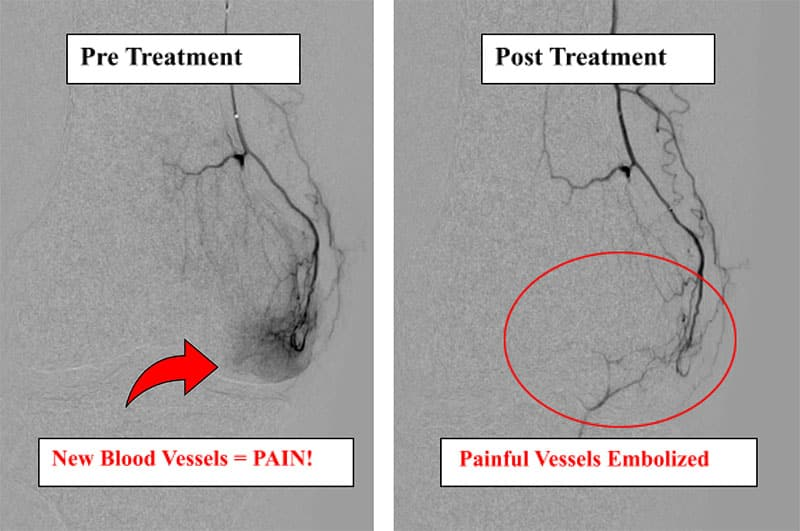
Benefits of Genicular Artery Embolization
Who Is a Good Candidate?
You may be eligible if:
A consultation with an interventional radiologist is necessary to determine suitability.
When to See a Doctor Immediately
Seek urgent medical care if you experience:
Conclusion
Knee pain should never be ignored when it becomes persistent, severe, or disabling. Early diagnosis can prevent complications and expand your treatment options.
For chronic osteoarthritis pain that doesn’t respond to traditional therapies, Genicular Artery Embolization offers a promising, minimally invasive alternative that may significantly improve quality of life.
If your knee pain is limiting your mobility and independence, consider speaking with a specialist about advanced treatment options.


Comments
Post a Comment