Warning Signs of Low Blood Sugar You Should Know
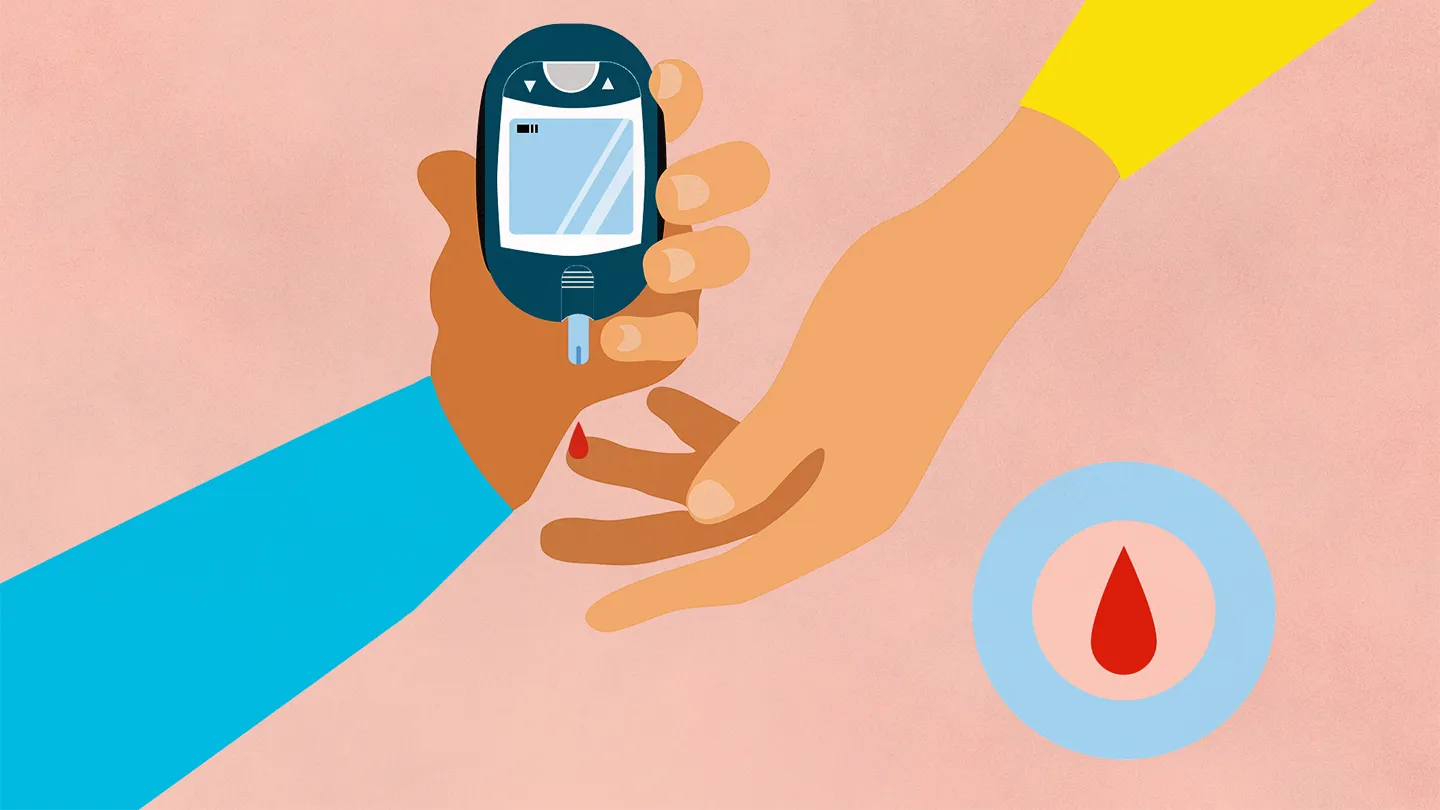
Low blood sugar, also known as hypoglycemia, is a condition that can affect people with diabetes and those without it. While often associated with insulin use or diabetes medications, low blood sugar can also occur due to prolonged fasting, intense physical activity, illness, or hormonal imbalances. Recognizing the warning signs early is critical, as untreated hypoglycemia can become dangerous.
Understanding how low blood sugar affects the body empowers individuals to act quickly and prevent serious complications.
What Is Low Blood Sugar?
Blood sugar (glucose) is the body’s primary source of energy, especially for the brain. Hypoglycemia occurs when blood glucose levels drop below normal, typically:
When glucose levels fall, the body and brain are deprived of fuel, triggering a series of physical and neurological responses.
Why Low Blood Sugar Is Dangerous
Unlike high blood sugar, which develops gradually, low blood sugar can worsen rapidly. Severe hypoglycemia may lead to:
Early recognition is the key to preventing these outcomes.
Early Warning Signs of Low Blood Sugar
The body releases stress hormones like adrenaline when blood sugar begins to fall. These early signs are often the first clues.
1. Shakiness and Trembling
One of the most common early symptoms, shakiness occurs as the nervous system responds to low glucose levels.
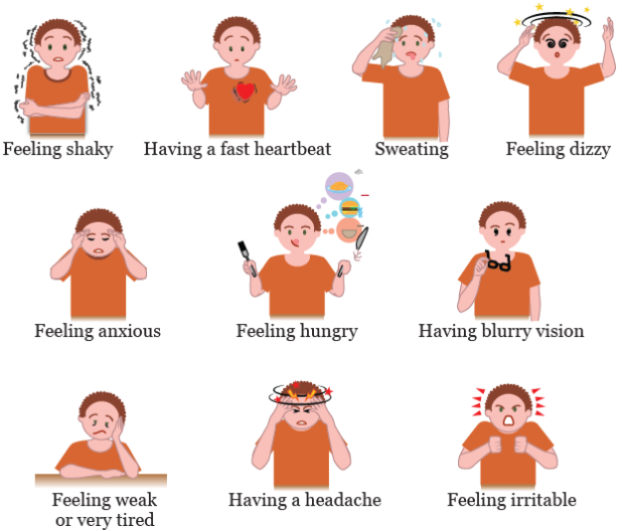
2. Sweating
Sudden, unexplained sweating — especially cold sweats — can occur even in cool environments.
3. Rapid Heartbeat
A racing or pounding heart is a stress response as the body attempts to raise blood sugar levels.
4. Hunger
Intense or sudden hunger is the body’s way of demanding quick energy.
5. Anxiety or Nervousness
Feelings of unease, irritability, or panic may appear without an obvious cause.
Neurogenic (Brain-Related) Warning Signs
Because the brain relies almost entirely on glucose, neurological symptoms can appear quickly.
6. Difficulty Concentrating
Low blood sugar can impair attention, focus, and decision-making.
7. Confusion or Disorientation
Individuals may feel “foggy,” forgetful, or unsure of their surroundings.
8. Dizziness or Lightheadedness
Reduced glucose to the brain can cause a sensation of spinning or faintness.
9. Headache
Hypoglycemia-related headaches are often dull and persistent.
10. Blurred or Double Vision
Visual disturbances may occur as the brain struggles to function properly.
Moderate to Severe Warning Signs
If blood sugar continues to drop, symptoms become more serious and require immediate attention.
11. Slurred Speech
Speech may resemble intoxication, making communication difficult.
12. Poor Coordination
Clumsiness, difficulty walking, or dropping objects may occur.
13. Extreme Fatigue or Weakness
Muscles may feel heavy, and simple tasks can become exhausting.
14. Behavioral Changes
Sudden mood swings, irritability, anger, or unusual behavior may appear.
15. Loss of Consciousness or Seizures
In severe cases, the brain can no longer function properly, leading to fainting or seizures. This is a medical emergency.
Warning Signs During Sleep (Nocturnal Hypoglycemia)
Low blood sugar can also occur during sleep, often going unnoticed. Signs include:
Nocturnal hypoglycemia can be particularly dangerous because symptoms may not be recognized in time.
Who Is at Risk?
People at higher risk for low blood sugar include:
What To Do If You Suspect Low Blood Sugar
Immediate treatment is essential. The 15–15 rule is commonly recommended:
Once stabilized, eating a balanced snack helps prevent recurrence.
Preventing Low Blood Sugar Episodes
Prevention strategies include:
Education and awareness significantly reduce risk.
When to Seek Medical Help
Seek immediate medical attention if:
Recurrent hypoglycemia should always be evaluated by a healthcare professional.
Final conclusion
Low blood sugar is a common but potentially serious condition. The body often gives clear warning signs — but only if you know how to recognize them. Acting early can prevent emergencies and protect both short- and long-term health.
Awareness isn’t just helpful — it can be life-saving.


Comments
Post a Comment