Varicose Veins: Symptoms, Causes & Advanced Treatment Options
Varicose veins are more than just a cosmetic concern. For many people, they represent discomfort, pain, and even more serious health issues if left untreated. In this blog, we’ll take a deep dive into varicose veins – what causes them, how to identify symptoms early, and the modern treatments available to help you get relief.
What Are Varicose Veins?
Varicose veins are enlarged, swollen, and twisted veins that usually appear dark blue or purple. They occur when the valves in the veins become weak or damaged, causing blood to flow backward and pool in the vein. This makes the veins appear bulged and twisted, most commonly in the legs and feet due to pressure from standing and walking.
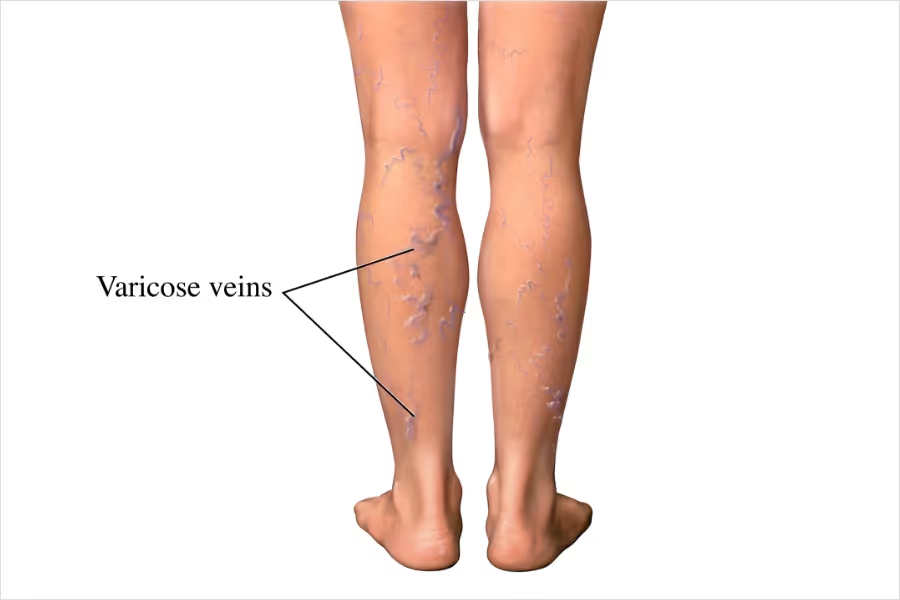
Common Symptoms of Varicose Veins
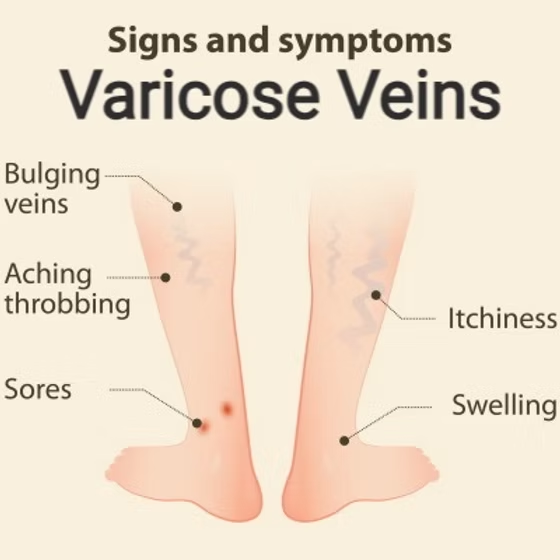
What Causes Varicose Veins?
Several factors contribute to varicose veins:
Who Is at Risk?
You may be more likely to develop varicose veins if:
Possible Complications
How Are Varicose Veins Diagnosed?
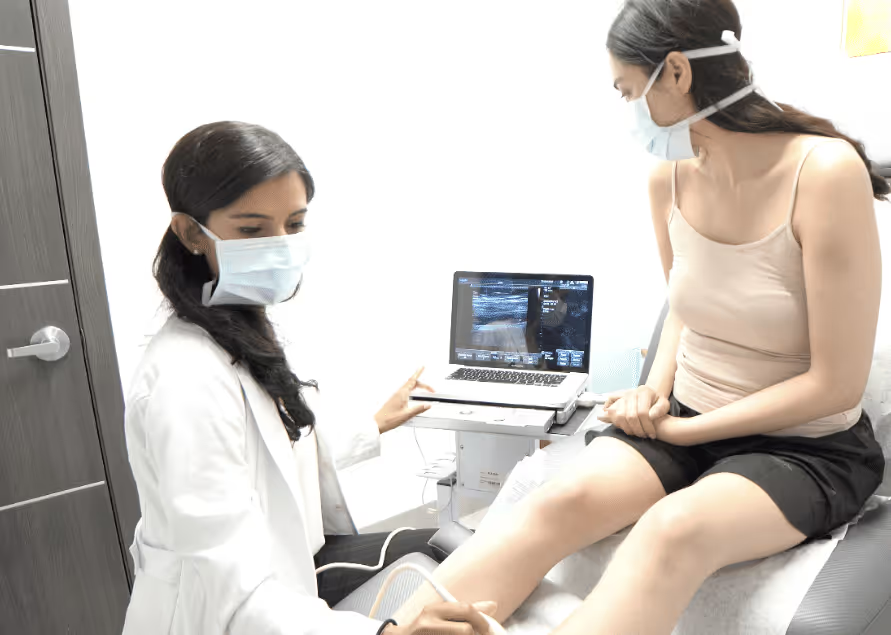
A vascular specialist will first perform a physical examination. To confirm the diagnosis and assess blood flow, a Doppler ultrasound is usually done. This test shows how blood is flowing through your veins and helps locate any blockages or faulty valves.
Modern & Minimally Invasive Treatment Options
The good news is varicose veins can be treated easily with today’s advanced techniques.
Lifestyle Changes:
Minimally Invasive Procedures:
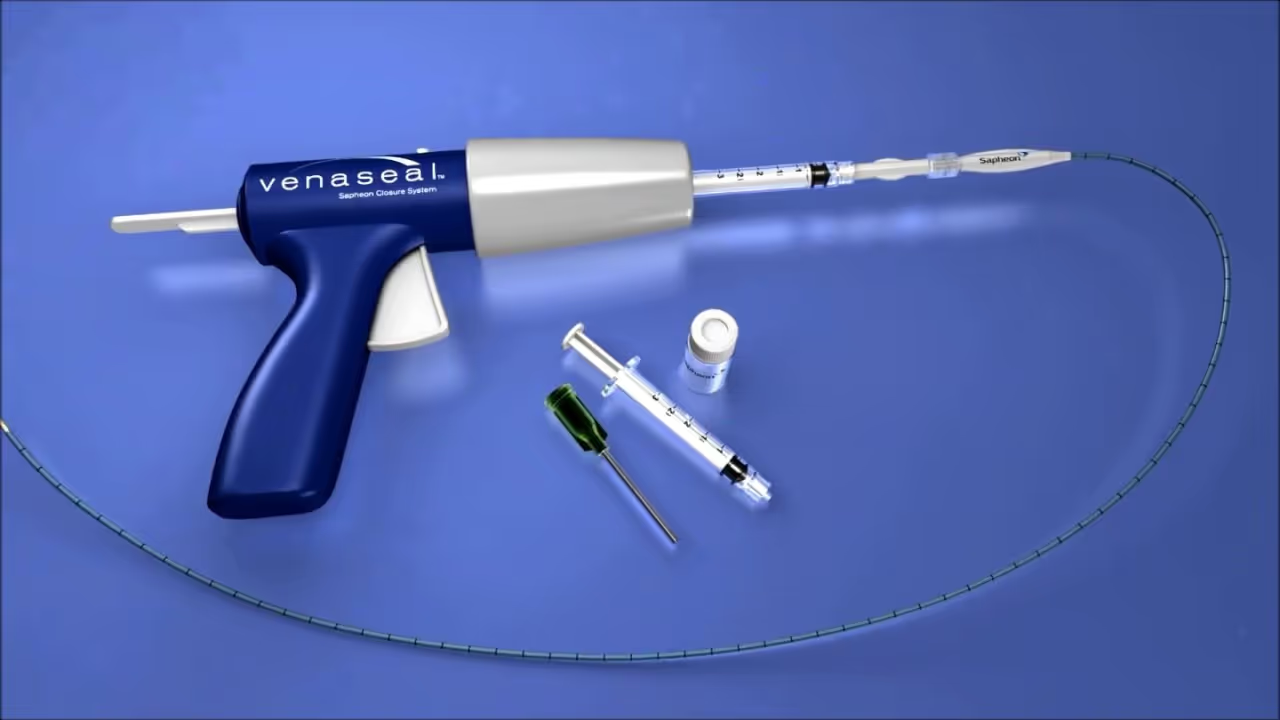
These treatments are safe, outpatient-based, and have minimal recovery time.
Recovery and Aftercare
Most patients return to normal activities within 1–2 days.
Prevention Tips
When Should You See a Doctor?

Visit a vein specialist if:
Conclusion
Varicose veins are a common but manageable condition. Thanks to medical advancements, treatment is now safer, faster, and more effective than ever. If you or a loved one are experiencing symptoms of varicose veins, don’t wait — consult a vascular expert and explore the best treatment options suited for you.


Comments
Post a Comment