Uterine Fibroids Without Surgery: What Every Woman Should Know
Being told you have uterine fibroids can feel overwhelming — especially when the first thing you hear is the word surgery. But here’s the good news: surgery is no longer the only option.
Many women are successfully managing fibroids without surgery, preserving their uterus, avoiding long recovery times, and getting back to normal life faster.
If you or someone you love has fibroids, here’s what every woman should know.
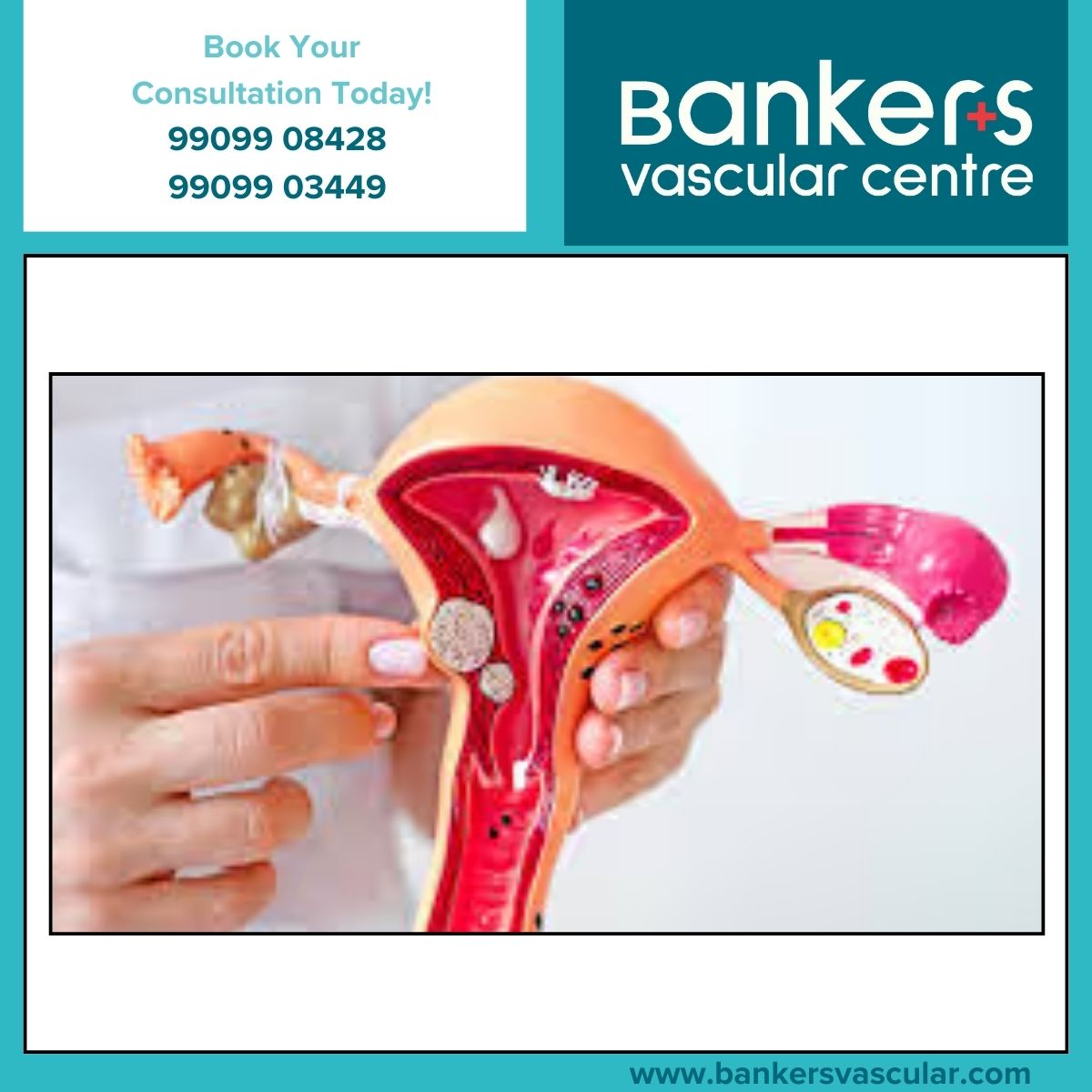
What Are Uterine Fibroids?
Uterine fibroids are non-cancerous growths that develop in or around the uterus. They’re extremely common, especially during reproductive years.

Fibroids vary in size and number, and while some cause no symptoms at all, others can lead to:
Do Fibroids Always Need Surgery?
No — and this is one of the biggest misconceptions.
In the past, hysterectomy (removal of the uterus) or myomectomy (surgical removal of fibroids) were often the main treatments offered. Today, doctors recognize that many women want:
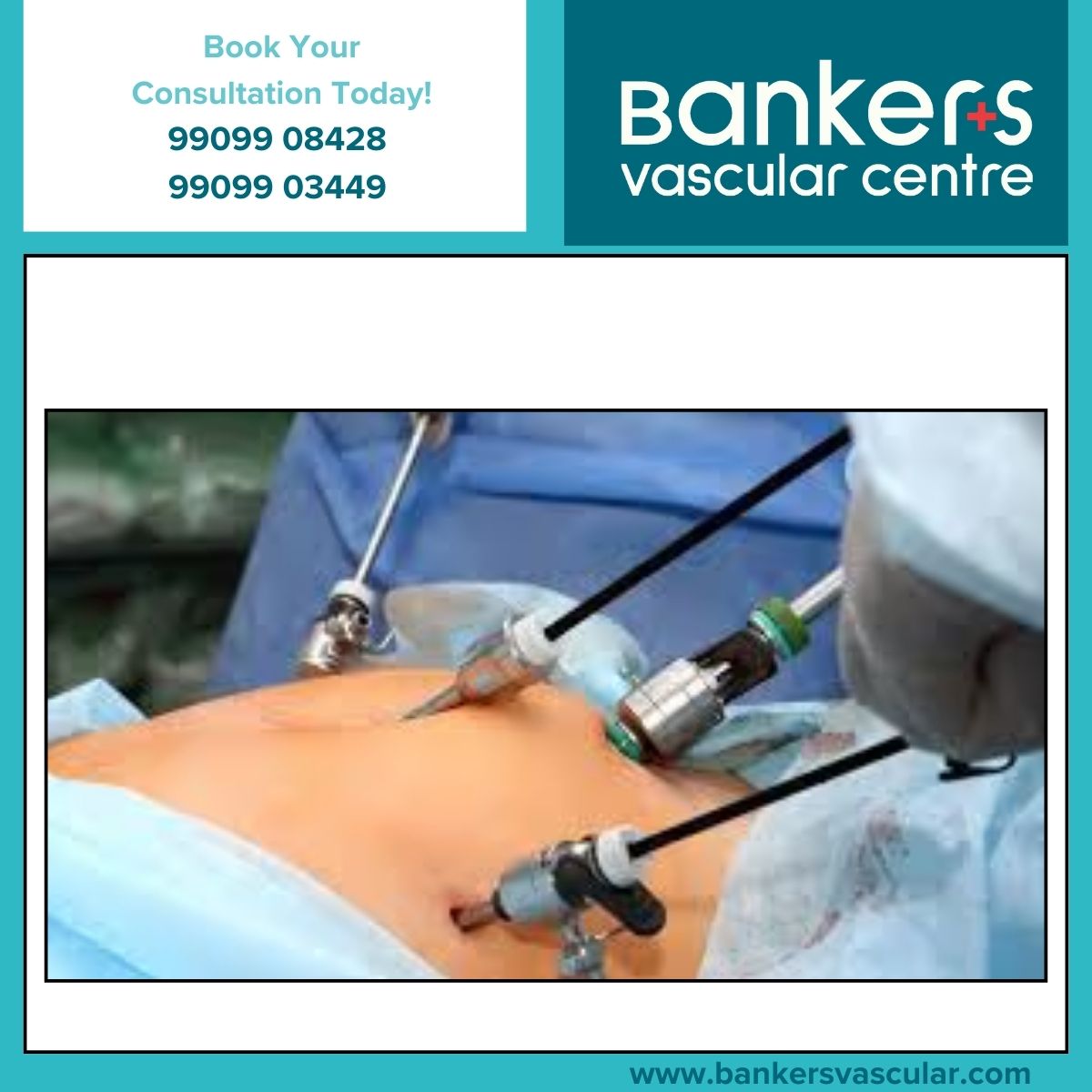
That’s where non-surgical treatments come in.
Non-Surgical Options for Treating Fibroids
1. Watchful Waiting
If fibroids are small and symptoms are mild, doctors may recommend monitoring them with regular checkups rather than immediate treatment.
2. Medications
Hormonal treatments can help manage symptoms like heavy bleeding or pain, but they don’t remove fibroids and may have side effects. These are often temporary solutions.
3. Uterine Fibroid Embolisation (UFE)
One of the most effective non-surgical treatments available today is Uterine Fibroid Embolisation (UFE).
What Is UFE?
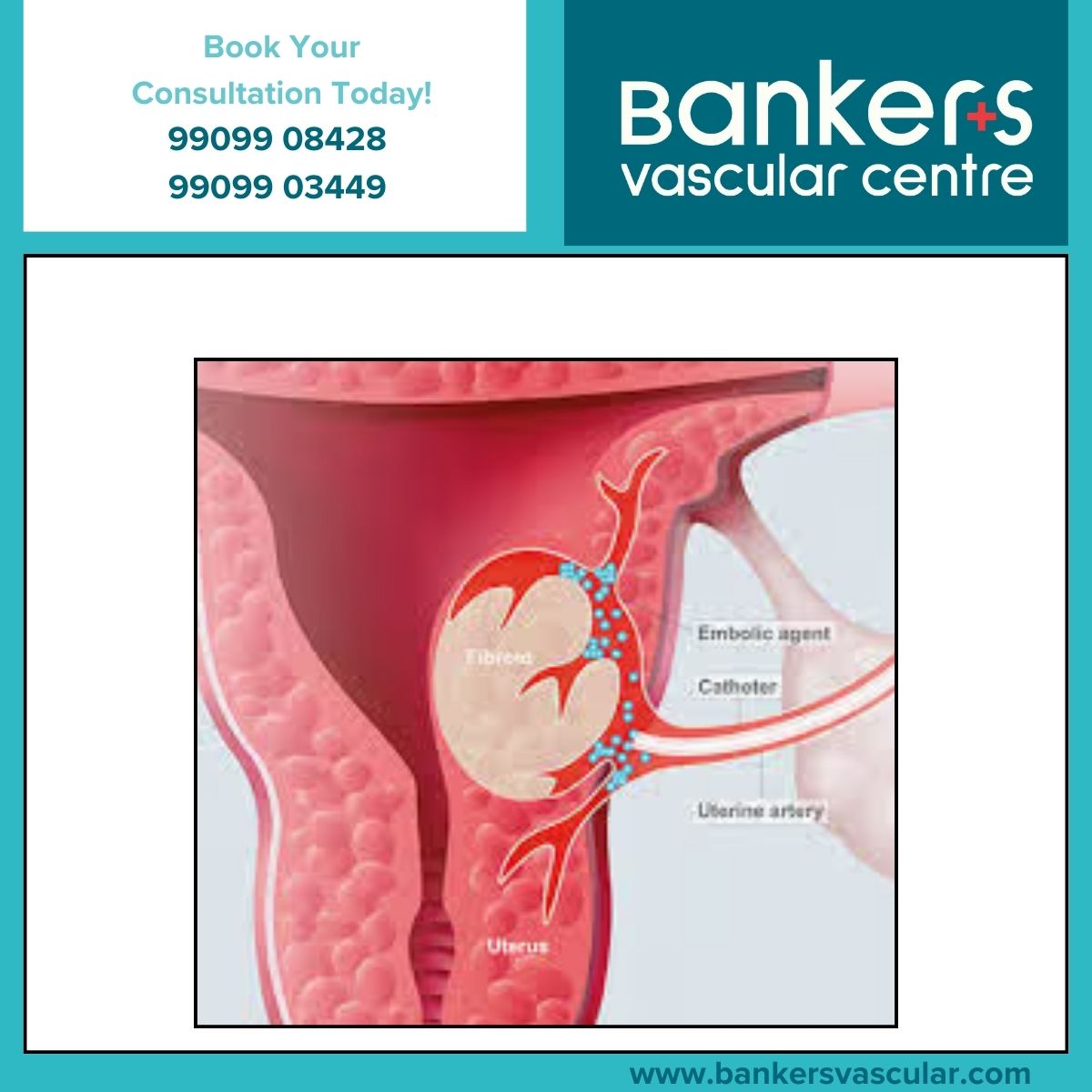
UFE is a minimally invasive procedure that shrinks fibroids by cutting off their blood supply.
A specialist inserts a tiny catheter through a small puncture (usually in the wrist or groin) and guides it to the arteries feeding the fibroids. Microscopic particles are released to block those vessels. Without blood flow, fibroids gradually shrink and symptoms improve.
Why Women Choose UFE
Many women return to normal activities within a week.
Can You Get Pregnant After Non-Surgical Treatment?
This is a common and important question.
Pregnancy after fibroid treatment depends on:
Some women do conceive after non-surgical treatments like UFE, but fertility goals should always be discussed with a specialist before choosing any option.
Uterine fibroids are common — but major surgery doesn’t have to be.
Thanks to advances in minimally invasive medicine, many women are treating fibroids effectively without surgery, with less pain, faster recovery, and more control over their bodies and choices.
If you’ve been diagnosed with fibroids, take the time to learn your options. Knowledge is power — and so is choice.


Comments
Post a Comment