Understanding Frozen Shoulder
Frozen shoulder,also called Adhesive Capsulitis, is a common condition that affects the shoulder joint. It leads to pain, stiffness, and restricted movement,making simple activities like combing hair, wearing clothes, or lifting objects very difficult.
What is Frozen Shoulder?
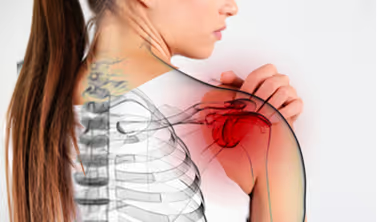
Frozen shoulder happens when the shoulder capsule (the tissue surrounding the joint)becomes thick, tight, and inflamed. Over time, scar tissue may form, further restricting movement.
Whois at Risk?
Frozen shoulder can affect anyone, but it is more common in:
Stagesof Frozen Shoulder
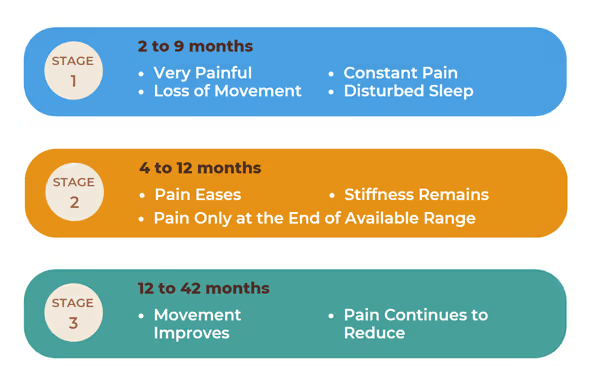
· Frozen shoulder usually develops slowly and has three stages;
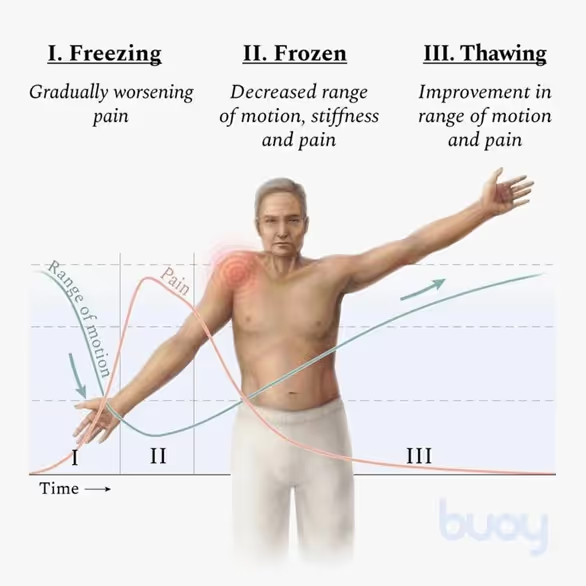
1. Freezing Stage
o Gradual onset of shoulder pain
o Movement becomes increasingly difficult
2. Frozen Stage
o Pain may reduce, but stiffness increases
o Range of motion is severely restricted
3. Thawing Stage
o Shoulder slowly regains movement
Common Symptoms
Treatment Options
1. Home Remedies & Lifestyle Care
2.Medical Treatments (Non-Surgical)
3.Advanced & Surgical Options
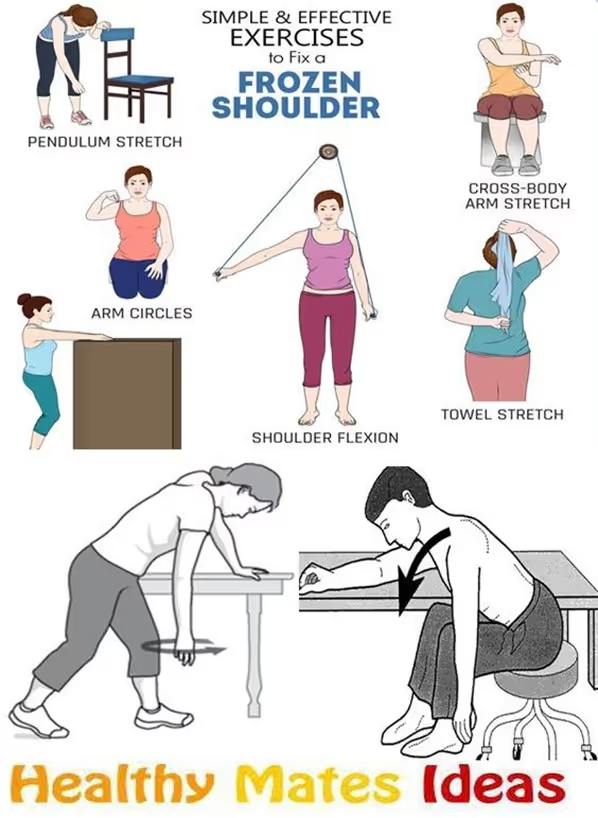
Physiotherapy Treatment
Advance Non-Surgical treatment
TAME (Trans Arterial Micro Embolization)
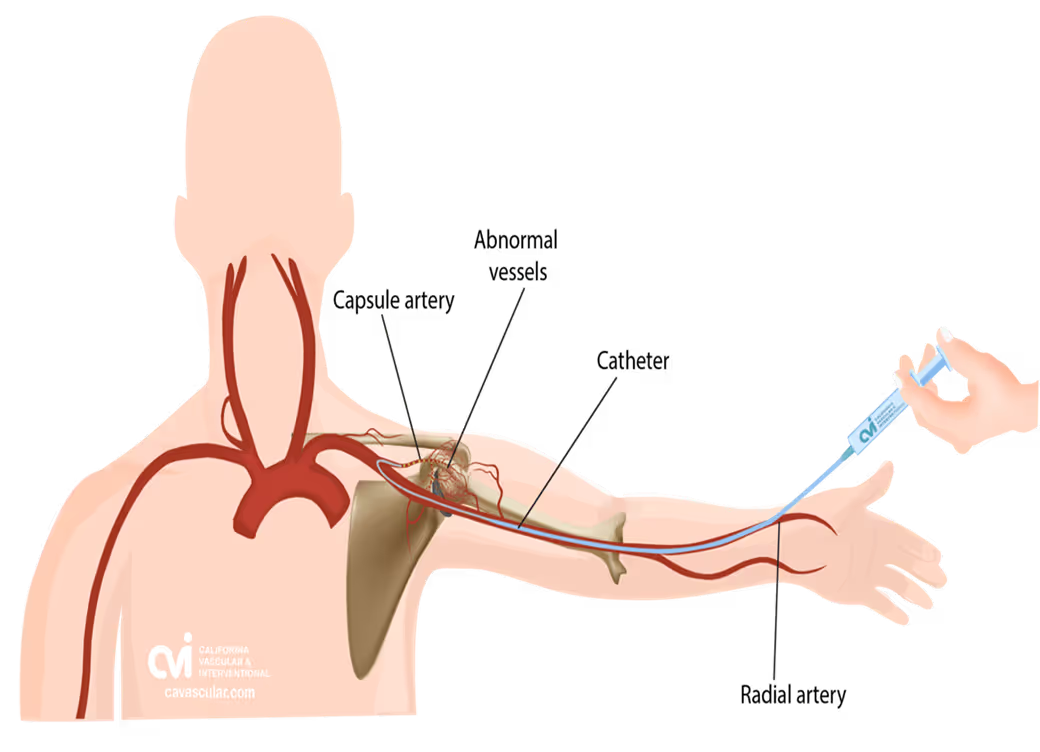
Procedure;
• A minimally invasive procedure performed by interventional radiologists.
• Targets abnormal blood vessels around the shoulder joint capsule.
• Reduces inflammation and pain by blocking abnormal blood supply.
• Performed under local anesthesia with a small catheter.
• Short recovery time compared to surgical options.
• Effective in patients with diabetes where conservative treatment fails.
Can Frozen Shoulder Be Prevented?
✅ Key Takeaway
“Frozen shoulder can be painful, but it is completely treatable. With early diagnosis and proper medical care, most patients recover fully. If you are experiencing ongoing shoulder pain or stiffness, consult Bankers Vascular Hospital for timely treatment and to prevent long-term complications — all without the need for surgery.”


Comments
Post a Comment