Typing All Day? How Carpal Tunnel Develops Faster Than You Think

In today’s digital world, long hours of typing have become routine for students, professionals, and remote workers alike. While typing itself may seem harmless, repetitive hand and wrist movements performed for hours every day can significantly increase the risk of Carpal Tunnel Syndrome (CTS)—often faster than people realize.
Understanding how carpal tunnel develops and recognizing early warning signs can help prevent long-term nerve damage.
How Typing Contributes to Carpal Tunnel
Typing for extended periods can accelerate carpal tunnel development due to:
Over time, these factors cause irritation and swelling of the tendons within the carpal tunnel, increasing pressure on the median nerve.
Why Carpal Tunnel Can Develop Faster Than Expected
Many people assume CTS develops only after years of work, but symptoms can appear much sooner due to:
Even younger individuals with no prior hand problems can develop early symptoms.
Early Warning Signs You Should Not Ignore
Carpal Tunnel Syndrome often starts subtly. Early signs include:
Early recognition is key to preventing progression.
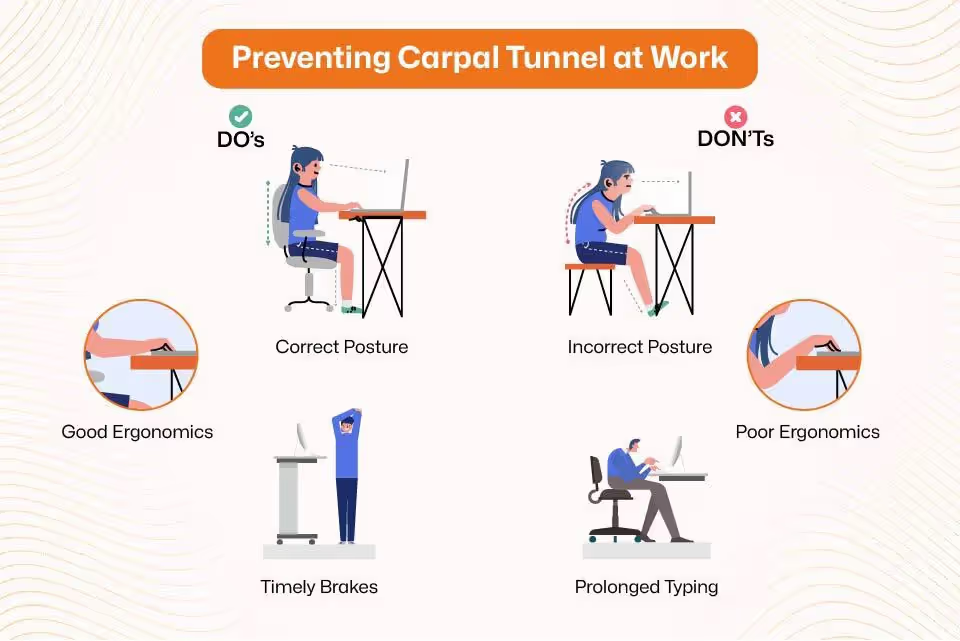
Preventing Carpal Tunnel While Typing
Simple preventive steps can significantly reduce risk:
When to Seek Medical Advice
You should consult a healthcare professional if:
Early evaluation allows for effective non-surgical management and prevents long-term complications.
Typing is an unavoidable part of modern life, but persistent wrist strain should never be ignored. Carpal Tunnel Syndrome can develop faster than expected, especially with prolonged daily typing and poor ergonomics.
Protecting your wrists today can prevent chronic pain and nerve damage tomorrow. If symptoms appear, early medical attention makes all the difference.


Comments
Post a Comment