The Role of Hormones in Hair Thinning (And Effective Treatment Options)
Hair thinning can be frustrating, emotional, and sometimes confusing — especially when it happens gradually. While stress, nutrition, and genetics play a role, hormones are one of the most common underlying causes of hair thinning in both men and women.
Understanding how hormones affect your hair can help you find the right treatment early.
How Hormones Affect Hair Growth
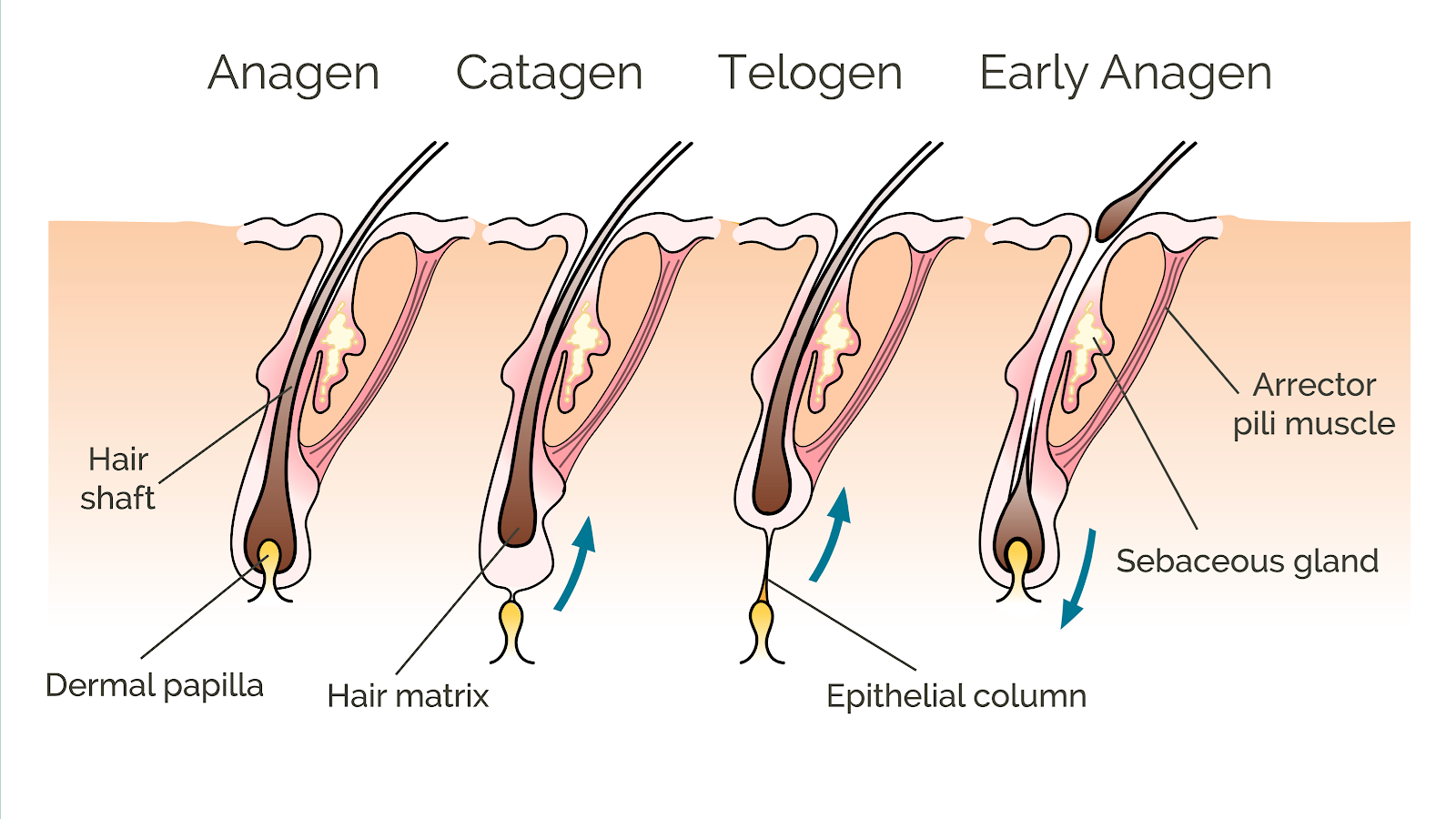
Hair grows in cycles:
Hormonal imbalances can:
Over time, this leads to visible thinning.
Key Hormones Linked to Hair Thinning
1. Androgens (DHT – Dihydrotestosterone)
DHT is derived from testosterone and is the primary hormone responsible for pattern hair loss.
In Men:
Often leads to male pattern baldness.
In Women:
Can cause thinning at the crown or widening part line.
Conditions linked to high androgen levels:
DHT binds to hair follicles and gradually shrinks them, making hair finer and shorter.
2. Estrogen
Estrogen helps keep hair in the growth phase.
When estrogen drops (such as after childbirth or menopause), women may experience:
This is common during:
3.Thyroid Hormones
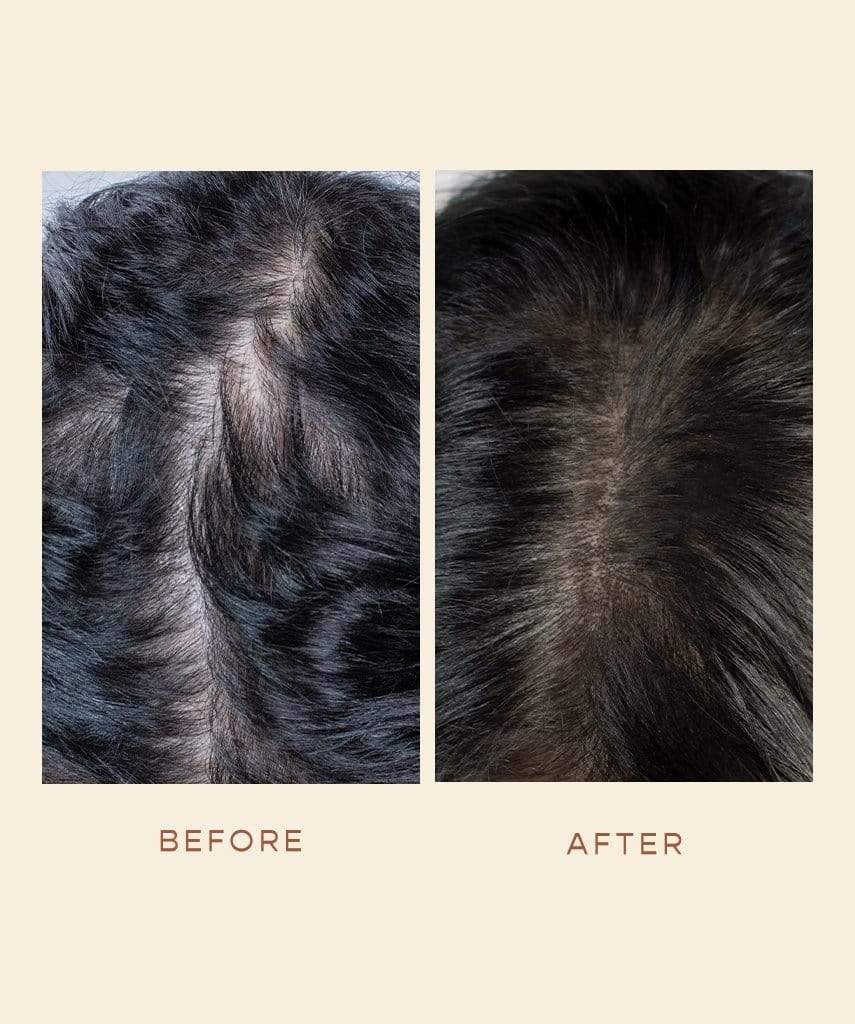
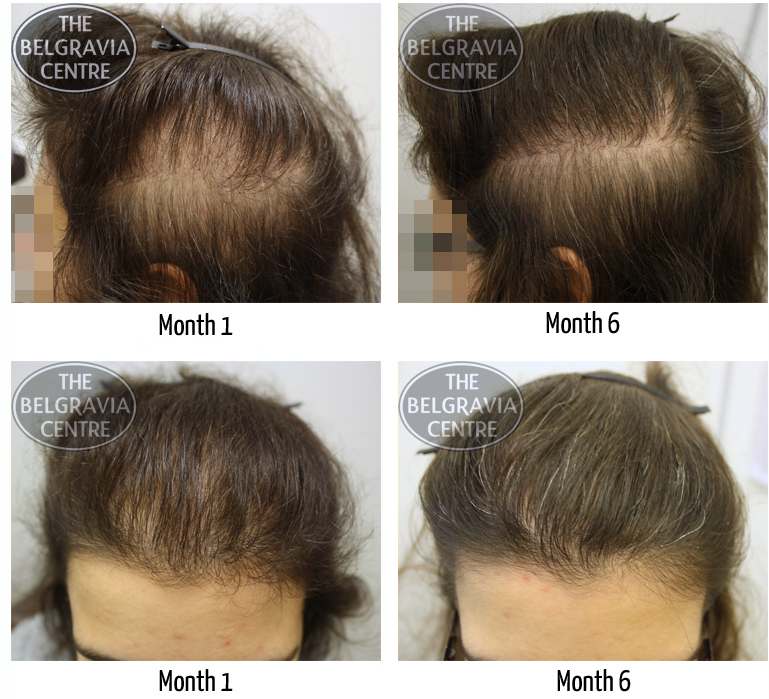
Both hypothyroidism and hyperthyroidism can cause:
The thyroid regulates metabolism — including hair follicle function.
4. Cortisol (Stress Hormone)
Chronic stress increases cortisol levels, which can trigger:
This type of hair loss usually occurs 2–3 months after a stressful event.
Warning Signs Your Hair Thinning May Be Hormonal
If these symptoms accompany hair thinning, hormonal testing may be needed.
Treatment Options for Hormonal Hair Thinning
Treatment depends on the underlying cause. Here are the most effective options:
1.Medications That Block DHT
These treatments slow follicle miniaturization and promote regrowth.
2. Hormone Therapy (When Appropriate)
For women in menopause, hormone replacement therapy (HRT) may help stabilize hair thinning when prescribed carefully by a doctor.
3.Treating Thyroid Imbalance
If thyroid dysfunction is the cause, correcting hormone levels often improves hair growth over time.
4. PRP (Platelet-Rich Plasma) Therapy
Hair thinning and hair loss can affect confidence and self-image. One of the most popular non-surgical treatments today is PRP (Platelet-Rich Plasma) therapy, a regenerative procedure that uses your body’s natural growth factors to stimulate hair follicles.
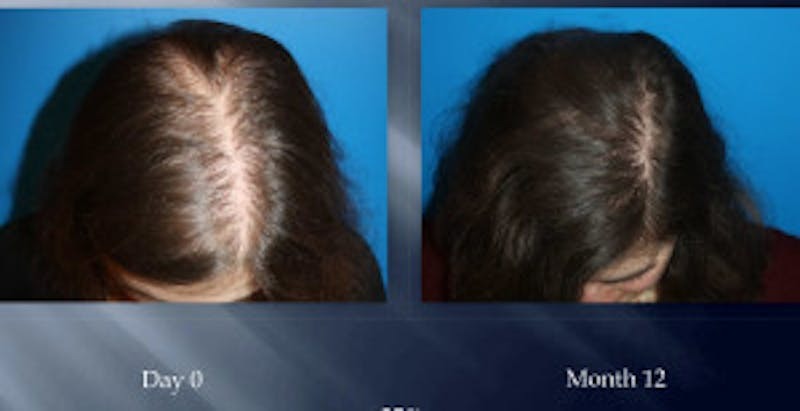
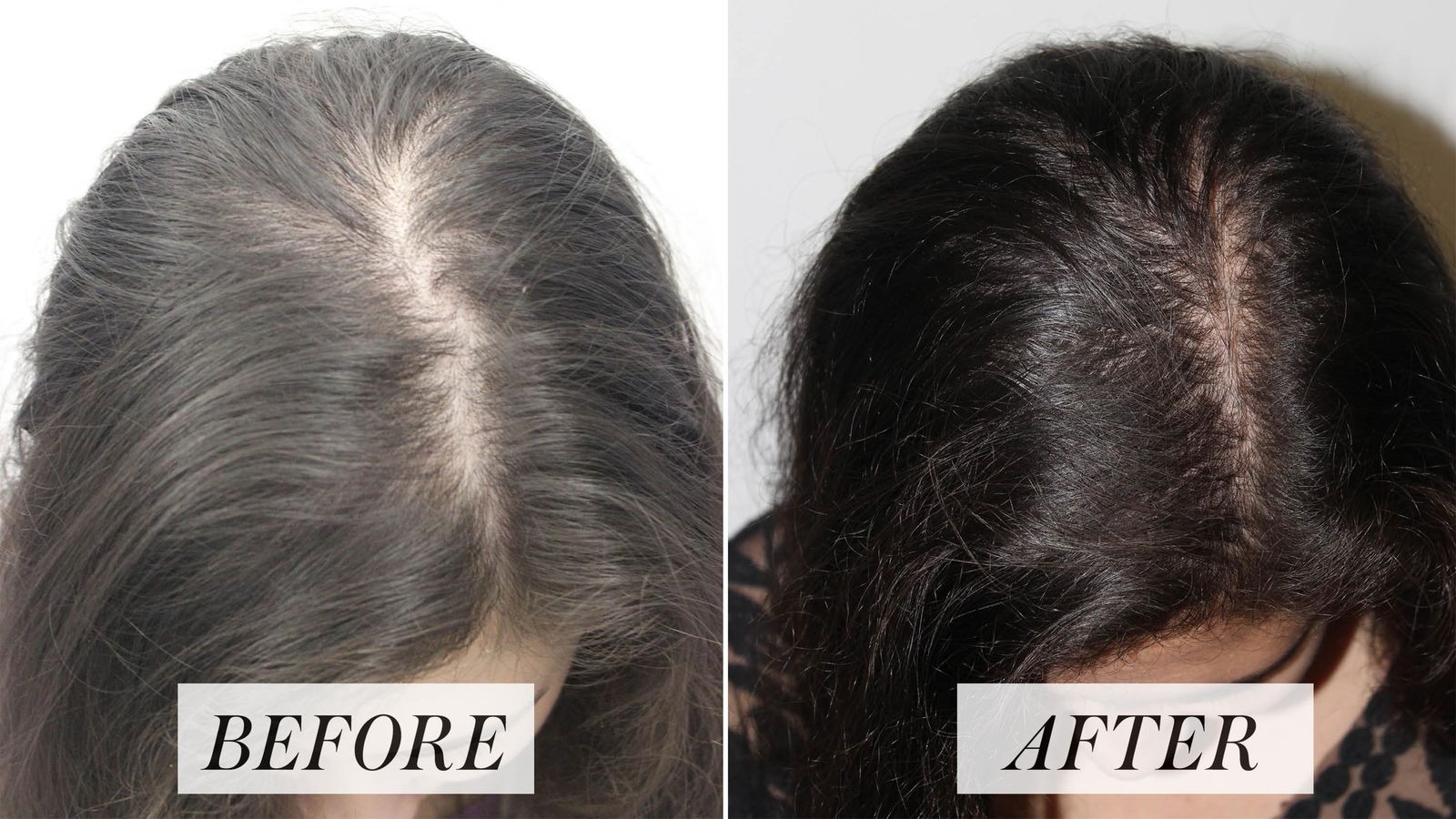
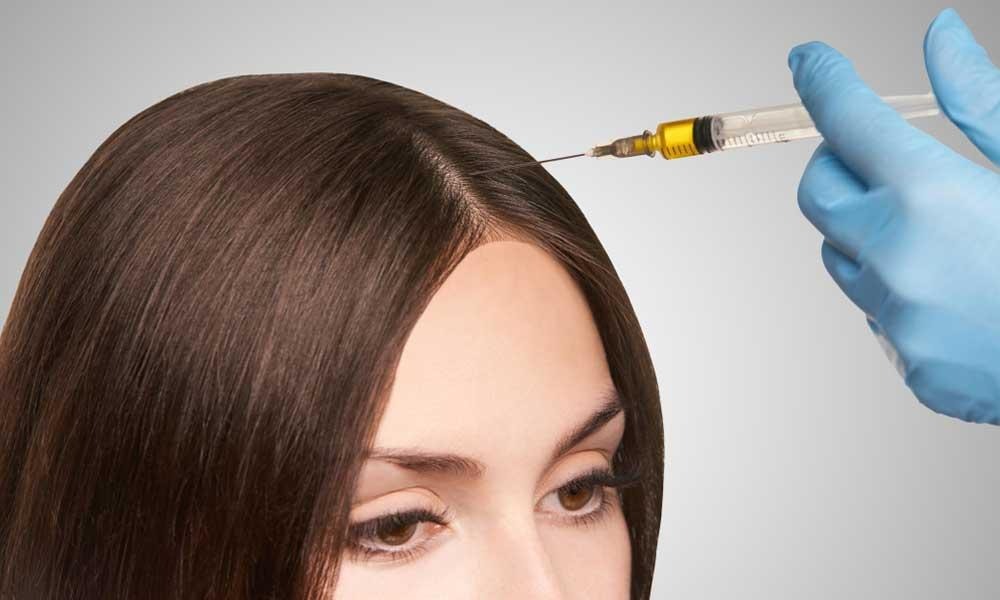
PRP involves:
It stimulates dormant hair follicles and improves hair density.
Top Benefits of Hair PRP
1. Promotes Natural Hair Growth
PRP stimulates inactive hair follicles and improves blood supply to the scalp. This can:
Because it uses your own plasma, the process enhances natural regrowth rather than introducing artificial substances.
2. Minimally Invasive & Non-Surgical
Unlike hair transplant surgery, PRP:
Most patients return to normal activities the same day.
3. Safe and Low Risk
Since PRP uses your own blood, the risk of:
is very low when performed by a trained professional.
4. Effective for Early Hair Thinning
PRP works best in:
It helps slow progression and preserve existing hair.
5. Improves Hair Thickness & Quality
Patients often notice:
Results typically become visible after 3–4 sessions.
6. Can Be Combined with Other Treatments
PRP can enhance results when combined with:
It may improve graft survival after transplant surgery.
7.Quick Procedure Time
A typical session takes about 30–60 minutes, making it convenient for people with busy schedules.
Who Is a Good Candidate?
PRP is most effective for individuals who:
It may be less effective for completely bald areas where follicles are no longer active.
Are There Any Side Effects?
Most side effects are mild and temporary:
These usually resolve within a day or two.
5. Nutritional & Lifestyle Support
Even when hormones are involved, supporting hair health matters:
When to See a Doctor
Early diagnosis improves treatment success.
Conclusion
Hormones play a powerful role in regulating hair growth. When imbalances occur, the hair cycle is disrupted — leading to thinning and shedding.
The good news? Many hormonal causes of hair thinning are treatable. With proper diagnosis and a personalized plan — including medications, hormonal correction, or regenerative therapies — hair growth can often be improved or stabilized.
If you’re noticing progressive thinning, don’t ignore it. The earlier you act, the better the results.
At bankers vascular hospital we have most advance non surgical solution for hair thinning and hair loss.


Comments
Post a Comment