Tennis Elbow: Why Painkillers Don’t Work Long-Term
Tennis elbow sounds like a sports injury, but you don’t need a racket to get it. From students and gamers to office workers and tradespeople, this nagging elbow pain shows up wherever repetitive hand and wrist movements are part of daily life.
When the pain hits, most people reach for painkillers. They help—at first. But weeks or months later, the pain often comes right back. So what’s going on?
Let’s break down why painkillers don’t fix tennis elbow long-term—and what actually helps.
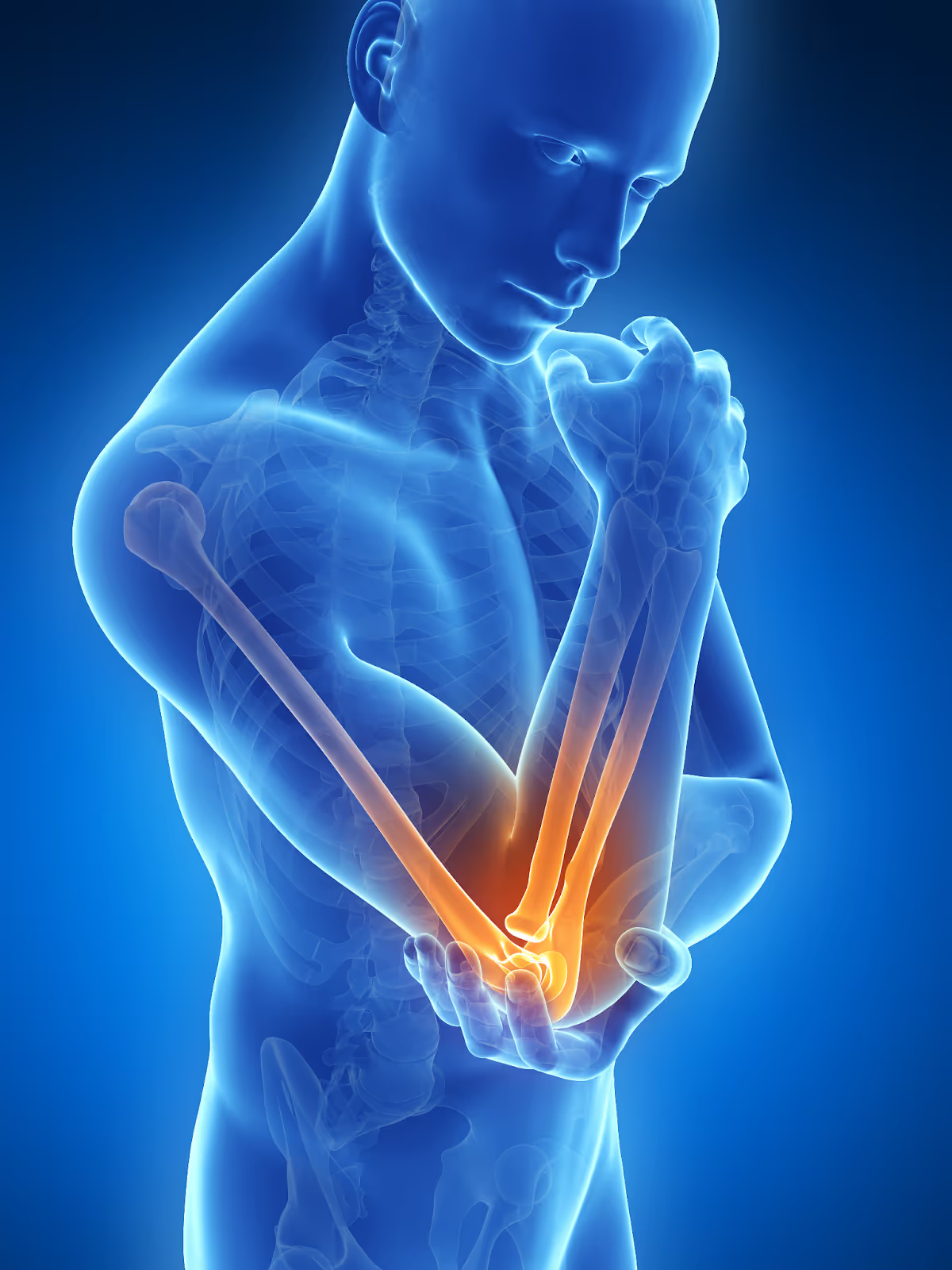
What Tennis Elbow Really Is ?
Tennis elbow, medically called lateral epicondylitis, affects the tendons that connect your forearm muscles to the outside of your elbow.
For a long time, doctors thought it was mainly an inflammatory condition. That’s why anti-inflammatory painkillers like ibuprofen became the go-to treatment.
But research has shown something important:
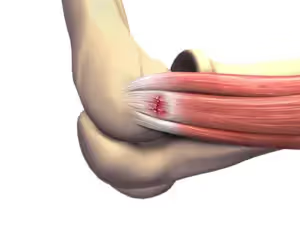
👉 Most long-lasting tennis elbow is not inflammation — it’s tendon degeneration.
Despite the “-itis” name, most chronic tennis elbow is not inflammation.
Instead, it’s a tendon condition called tendinosis, which involves:
This explains why the pain lingers — the tendon structure itself is compromised.
Why Painkillers Don’t Fix the Problem
Painkillers mainly do two things:
What they don’t do:
So painkillers can reduce symptoms, but the underlying tendon problem stays the same.
The Hidden Issue: Abnormal Blood Vessels and Nerves
In chronic tennis elbow, studies have shown:
These vessels and nerves are strongly linked to ongoing pain, even when inflammation is minimal.
This is where traditional treatments sometimes fall short — and where embolization comes in.
What Is Tennis Elbow Embolization?
Tennis Elbow Embolization (TEE) is a minimally invasive procedure performed by an interventional radiologist.
How it works:
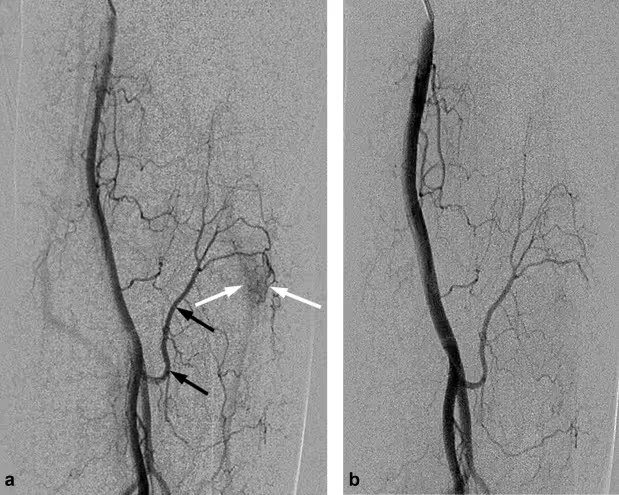
Importantly:
The procedure usually takes under an hour and is done with local anesthesia.
Why Embolization Can Help When Painkillers Don’t
Painkillers only mask symptoms.
Embolization targets one of the biological drivers of chronic pain.
Benefits seen in studies include:
This makes embolization especially useful for people who:
Is Embolization a Cure?
Not exactly — and that’s important.
Embolization:
But it does not automatically rebuild tendon strength.
That’s why the best outcomes happen when embolization is combined with:
Think of embolization as turning down the pain so real rehab can finally work.
How It Compares to Other Treatments
Painkillers
Cortisone injections
Physical therapy
Embolization
The Bottom Line
Painkillers don’t work long-term for tennis elbow because:
Tennis elbow embolization offers a newer option for stubborn cases by targeting the pain source itself — especially when conservative care hasn’t worked.
The most effective approach often combines:
✔ Pain reduction (embolization or other methods)
✔ Proper rehab and loading
✔ Fixing movement and overuse patterns


Comments
Post a Comment