Sleeping Position & Frozen Shoulder – Is There a Link?

Waking up with shoulder stiffness or pain can be frustrating—especially if it lingers for weeks or months. Many people diagnosed with frozen shoulder wonder:
Can my sleeping position make it worse… or even cause it?
Let’s break down the connection between sleeping posture and frozen shoulder, what science suggests, and how you can sleep more comfortably while healing.
What Is Frozen Shoulder?
Frozen shoulder (also called adhesive capsulitis) is a condition where the shoulder joint capsule becomes inflamed and stiff, leading to:
It typically progresses in three stages:
It often affects adults between 40–60 years old and is more common in people with diabetes or after periods of shoulder immobility.
Can Sleeping Position Cause Frozen Shoulder?
Sleeping position alone does NOT cause frozen shoulder.
Frozen shoulder develops due to inflammation and thickening of the joint capsule—not simply because you slept on one side.
However…
Sleeping position CAN:
So while it may not be the root cause, it can absolutely influence symptoms.
How Sleeping Position Affects Shoulder Pain
1)Sleeping on the Affected Shoulder


When you sleep directly on the painful shoulder:
This doesn’t cause frozen shoulder—but it can intensify symptoms significantly.
2) Sleeping on the Unaffected Side (Without Support)
This is usually better—but if your painful arm hangs forward without support, gravity can:
Proper pillow support is essential.
3)Sleeping on Your Back
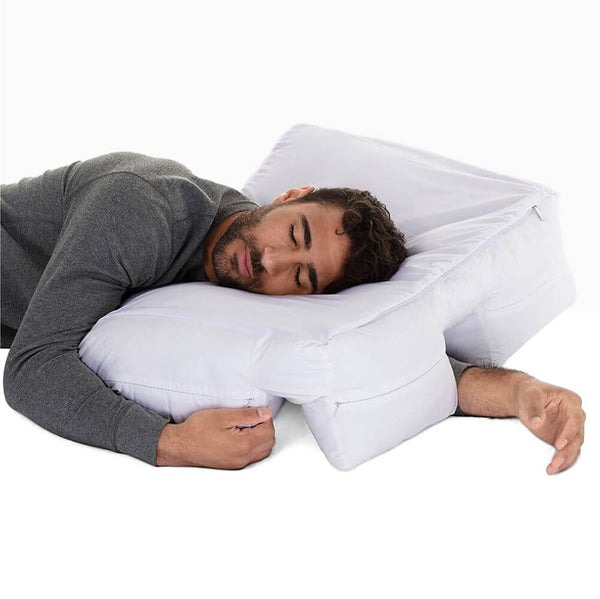
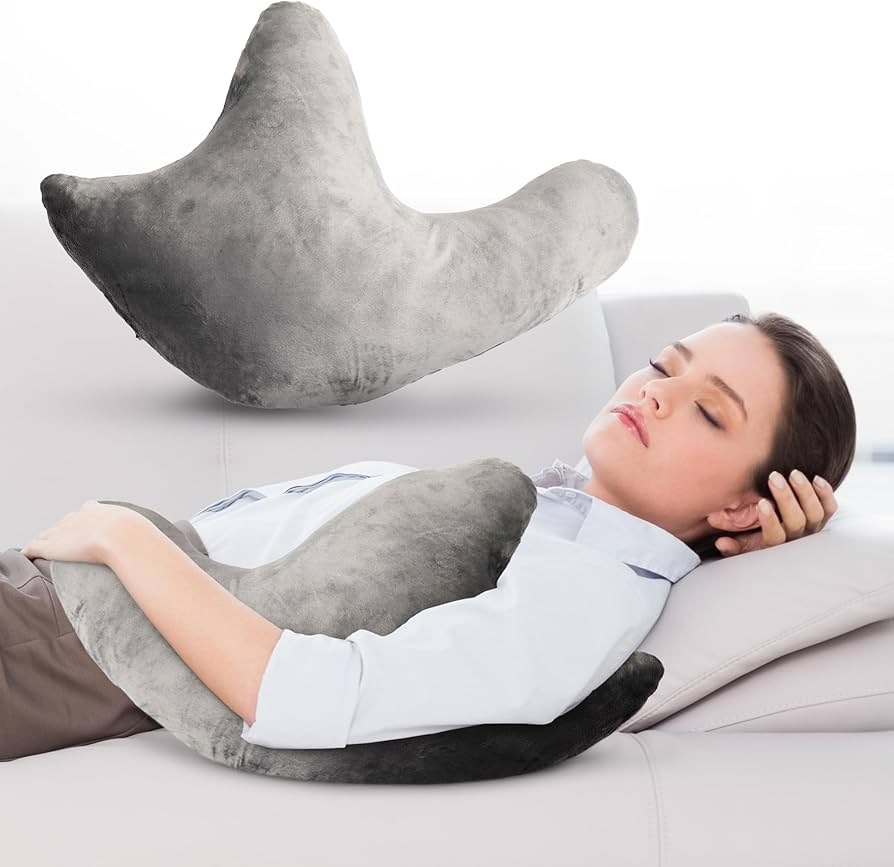
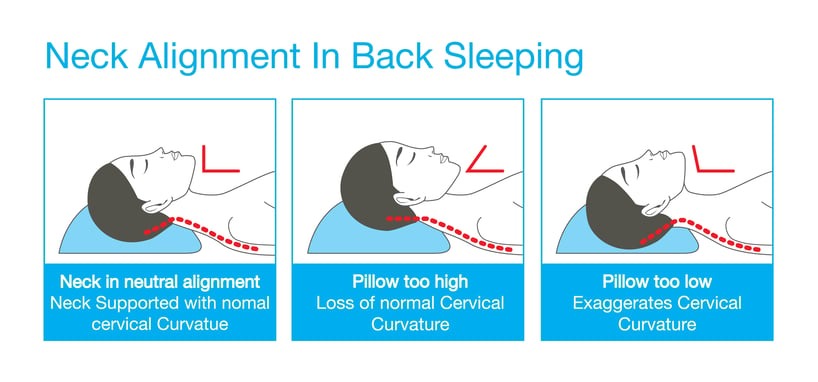
For many people with frozen shoulder, this is the most comfortable position.
Benefits:
Placing a small pillow under the affected arm helps maintain neutral alignment.
Why Shoulder Pain Feels Worse at Night
Many frozen shoulder patients report intense nighttime pain. Why?
This explains why sleep becomes one of the biggest challenges during the “freezing” stage.
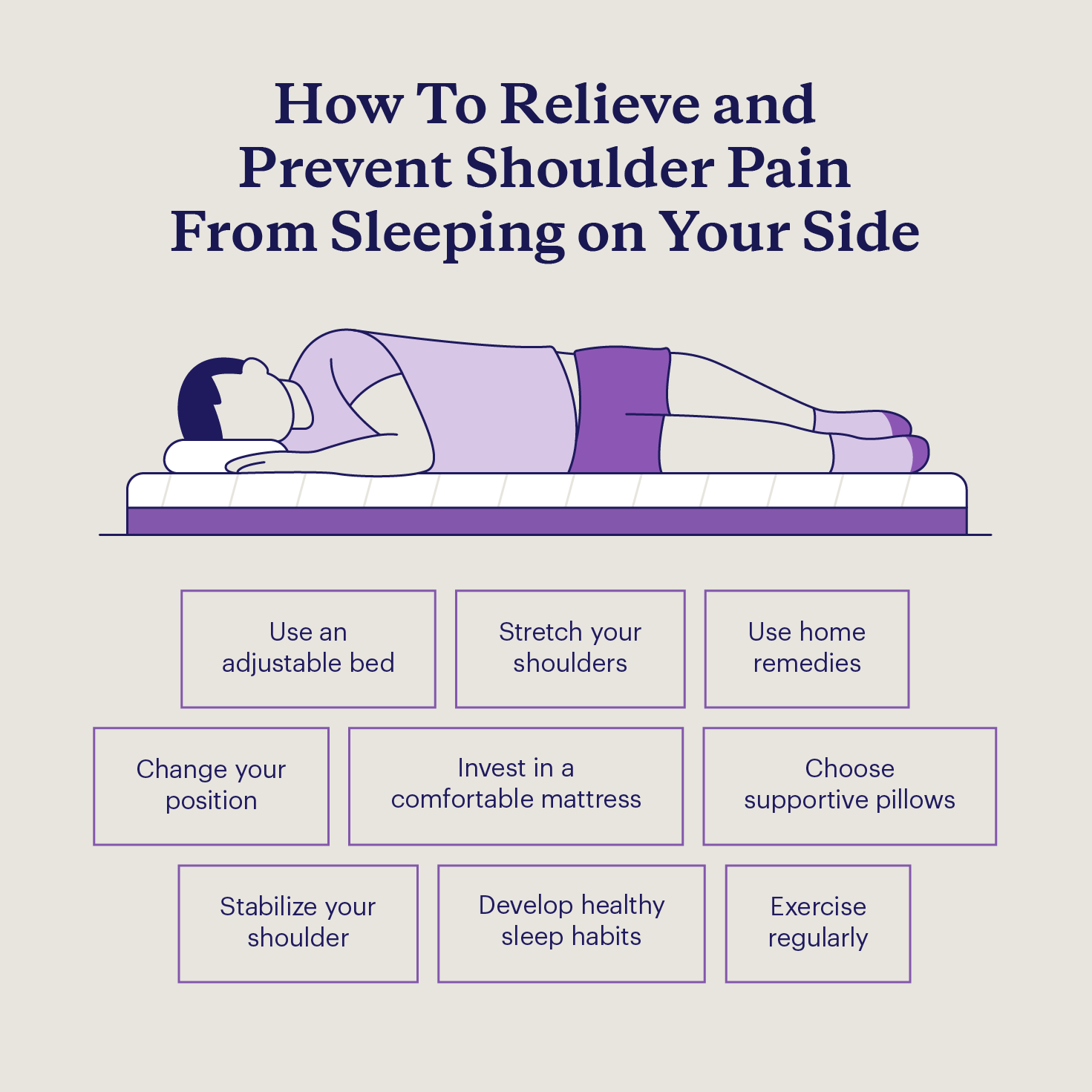
Best Sleeping Tips for Frozen Shoulder
Here are practical strategies to reduce nighttime pain:
Use Pillows Strategically
Avoid Letting the Arm Dangle
Unsupported hanging increases strain.
Gentle Stretching Before Bed
Light pendulum exercises may reduce stiffness.
Apply Heat Before Sleep
Warm showers or heating pads can relax tight tissues.
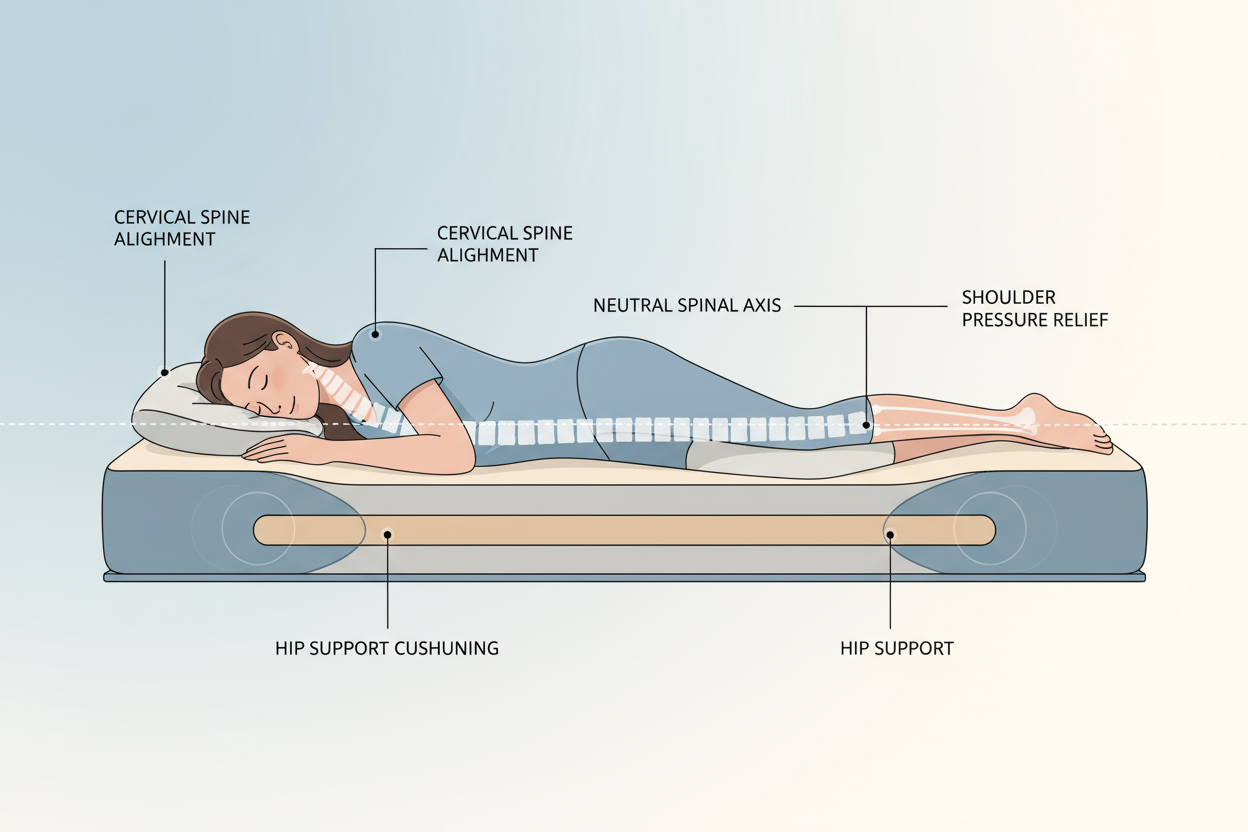
Keep Good Mattress Support
A sagging mattress can misalign the shoulder and spine.
When to See a Doctor
If you notice:
Consult a healthcare provider. Early management may shorten recovery time.
Conclusion
Sleeping position doesn’t cause frozen shoulder—but it absolutely influences pain levels and comfort.
Choosing supportive positions and reducing joint compression can:
If you're currently dealing with frozen shoulder, small changes in how you sleep can make a surprisingly big difference.


Comments
Post a Comment