PRP vs. Steroid Injections for Elbow Pain—Which Is Safer?
Elbow pain can be stubborn. Whether it’s golfer’s elbow, tennis elbow, or chronic tendon irritation, many people reach a point where rest and physical therapy aren’t enough. That’s often when injections enter the conversation.
Two of the most common options are steroid injections and platelet-rich plasma (PRP) injections. But which one is safer—and which one actually helps long term?
Let’s break it down.
Why Injections Are Used for Elbow Pain
Elbow pain is often caused by tendon overload and degeneration, not just simple inflammation. When pain persists, injections may be recommended to:
However, not all injections work the same way.
What Are Steroid Injections?

Steroid injections (corticosteroids) are designed to reduce inflammation quickly.
How Steroid Injections Work
Pros
Cons and Safety Concerns
Steroids can be helpful for short-term symptom control, but repeated use raises safety concerns—especially for tendon-related elbow pain.
What Is PRP (Platelet-Rich Plasma)?
PRP is made from your own blood. It concentrates platelets, which contain growth factors involved in tissue repair.

How PRP Works
PRP aims to treat the underlying tendon problem, not just the pain.
Pros and Cons of PRP Injections
Pros
Cons
PRP often works best for chronic elbow pain rather than acute inflammation.
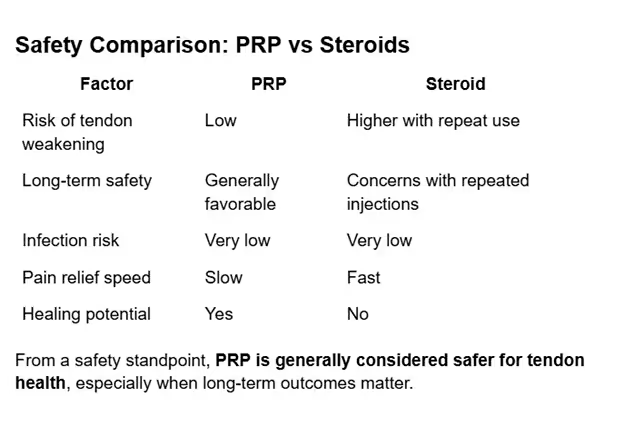
Which One Works Better for Elbow Pain?
Many specialists now avoid repeated steroid injections in tendon injuries due to the risk of tendon degeneration.
Which Option Is Right for You?
The best choice depends on:
A medical evaluation can help determine which option fits your situation best.
Are Injections the Final Step?
Not necessarily. Injections often work best when combined with:
In some chronic cases, newer minimally invasive treatments may also be considered.
Conclusion
When it comes to safety, PRP generally has the edge—especially for chronic elbow tendon pain. While steroid injections can provide fast relief, they don’t address healing and may carry risks if overused.
If long-term tendon health matters to you, it’s worth discussing PRP and other options with your healthcare provider before choosing an injection.
Understanding the difference empowers you to choose treatment that’s not just effective—but safer in the long run.


Comments
Post a Comment