PRP for Hair Growth: What Results Can You Realistically Expect?
Hair fall and thinning hair have become common concerns today—affecting both men and women at a younger age than ever before. Stress, hormonal imbalance, genetics, nutritional deficiencies, and lifestyle changes all play a role. Among the many treatment options available, PRP (Platelet-Rich Plasma) therapy has gained significant attention as a natural, non-surgical solution for hair regrowth.
But one question patients often ask is:
“Does PRP really work for hair growth, and what results can I realistically expect?”
Let’s break it down honestly and scientifically.
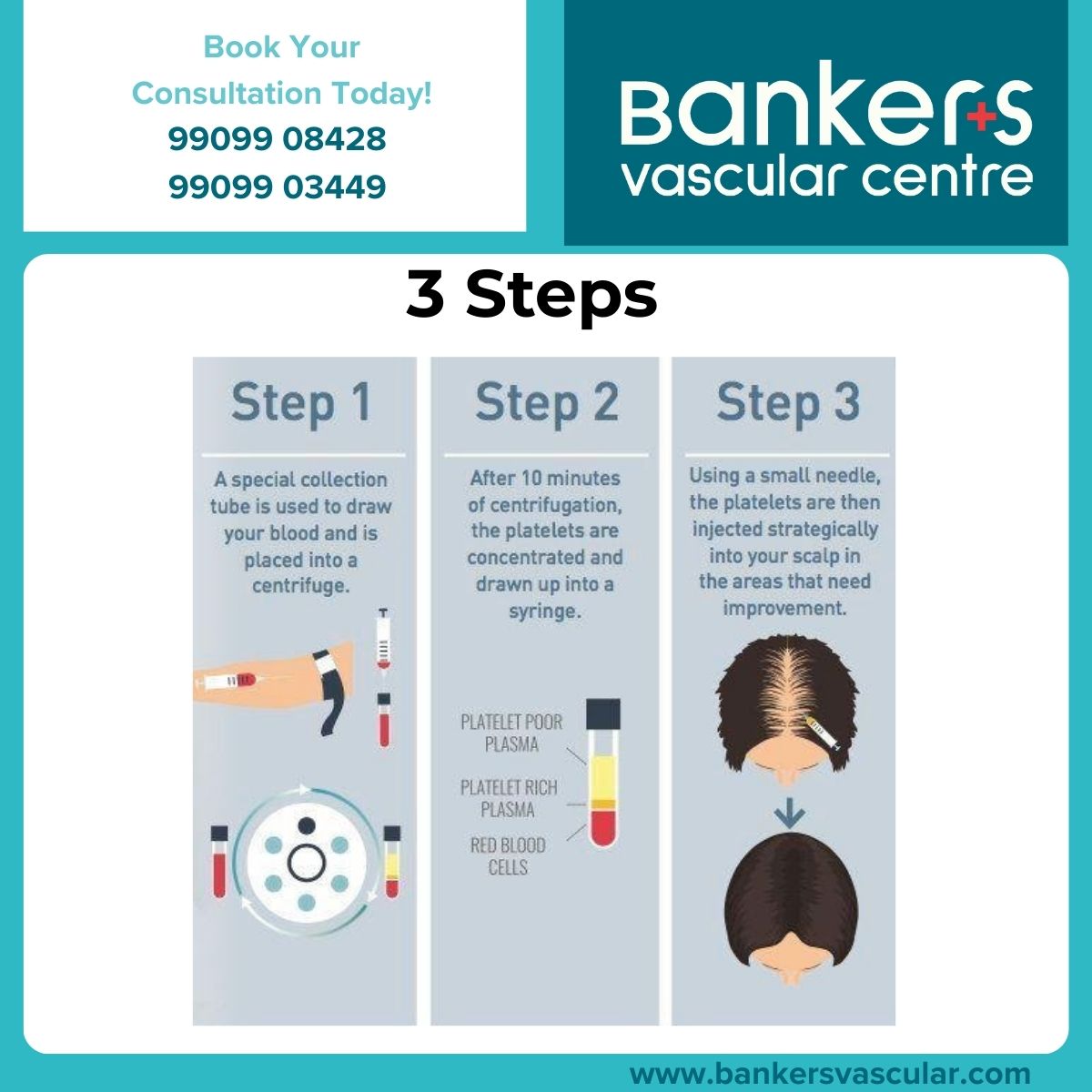
What Is PRP Therapy for Hair Growth?
PRP (Platelet-Rich Plasma) therapy uses your own blood to stimulate hair follicles. Blood is drawn and processed in a centrifuge to separate platelet-rich plasma, which is rich in growth factors. This PRP is then injected into the scalp in areas of thinning hair.
These growth factors help:
Because PRP uses your own blood, it is safe, natural, and minimally invasive.

Who Is the Right Candidate for PRP Hair Treatment?
PRP works best when started early. Ideal candidates include:
PRP may not be very effective in areas where hair follicles are completely dead or bald for many years.
What Results Can You Realistically Expect from PRP?
1. Reduced Hair Fall (1–2 Months)
The first noticeable improvement is reduced hair shedding. Many patients report less hair on pillows, combs, and shower drains within 4–8 weeks.
2. Improved Hair Thickness & Quality (3–4 Months)
Existing hair strands become:
3. New Hair Growth (4–6 Months)
Small baby hairs may begin to appear in thinning areas. These hairs gradually mature over time with continued sessions.
4. Maximum Results (6–12 Months)
With a complete treatment protocol and maintenance, PRP can significantly slow hair loss progression and improve overall hair density.
Important Reality Check:
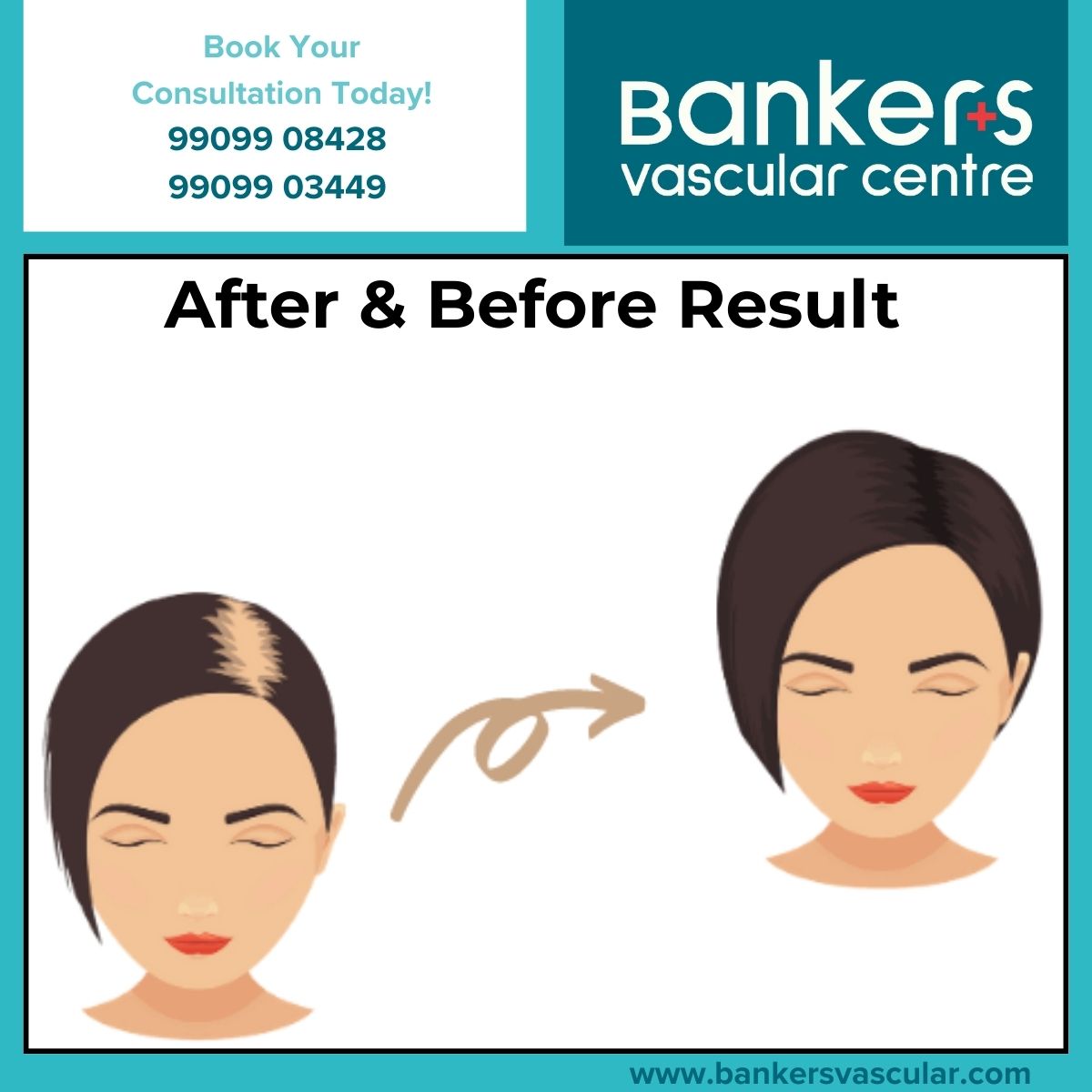
PRP does not create instant or dramatic overnight hair growth. Results vary from person to person based on genetics, age, hormonal status, and lifestyle.
How Many PRP Sessions Are Required?
A typical PRP protocol includes:
Your doctor may combine PRP with medicines, supplements, or topical treatments for better outcomes.
Is PRP Permanent?
PRP does not permanently cure genetic hair loss, but it:
Consistency and maintenance are key.
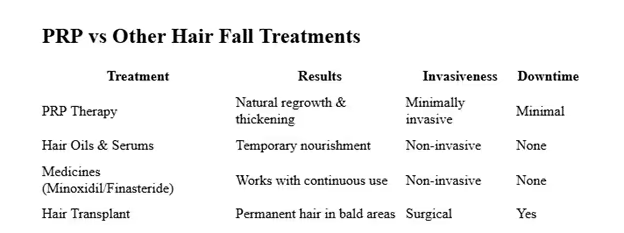
PRP is often used as a stand-alone therapy or combined with medicines for enhanced results.
Is PRP Safe for Hair Growth?
Yes. PRP is considered very safe because:
Tips to Improve PRP Results
To get the best outcome from PRP:
PRP Hair Treatment at Bankers Vascular Hospital
At Bankers Vascular Hospital, PRP therapy for hair growth is performed using advanced centrifugation systems and strict sterile protocols to ensure safety and effectiveness.
Our expert medical team:
If you are noticing early signs of hair thinning or excessive hair fall, PRP can help slow the process and improve hair quality—when started at the right time.


Comments
Post a Comment