Prostatic Artery Embolization (PAE): A Game Changer for Enlarged Prostate (BPH)
Benign Prostatic Hyperplasia (BPH), commonly known as enlarged prostate, is one of the most prevalent conditions affecting men above the age of 50. It leads to bothersome urinary problems such as weak urine flow, frequent urination, urgency, and interrupted sleep due to nighttime urination. For decades, medications and surgery were the main options for treatment. However, a revolutionary minimally invasive procedure—Prostatic Artery Embolization (PAE)—has emerged as a powerful alternative.
PAE not only reduces prostate size but also improves urinary symptoms significantly, offering faster recovery and fewer complications compared to traditional surgery.
🔍 What Is Benign Prostatic Hyperplasia (BPH)?
BPH is a non-cancerous enlargement of the prostate gland. As the prostate grows, it compresses the urethra (the tube that carries urine out of the body), leading to urinary symptoms such as:
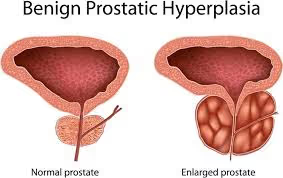
Why Does BPH Occur?
BPH is primarily associated with aging and hormonal changes. As men age, levels of certain hormones change, causing prostate tissue to grow and blood vessels supplying the gland to increase.
If left untreated, BPH can severely affect quality of life and may even lead to bladder damage or urinary retention.
Prostatic Artery Embolization (PAE): A Breakthrough Treatment
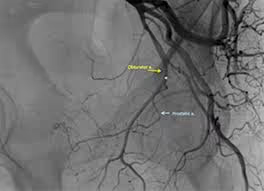
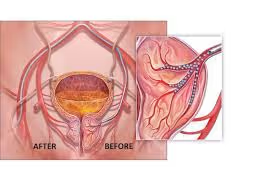
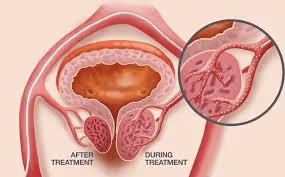
PAE is a minimally invasive, image-guided procedure performed by interventional radiologists to shrink the prostate gland by reducing excess blood flow.
How PAE Works:
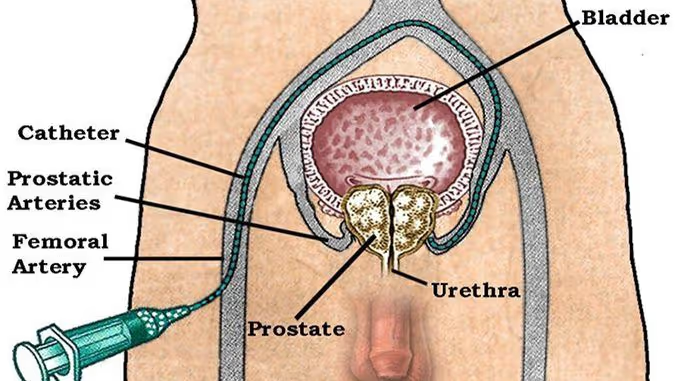
🌟 Benefits of Prostatic Artery Embolization
1. Minimally Invasive Procedure
No surgical cuts or removal of tissue. Only a small needle puncture is required.
2. Faster Recovery Time
Most patients return to normal activities within 24–48 hours.
3. No Risk of Erectile Dysfunction
Unlike some surgical options, PAE preserves sexual function and continence.
4. Significant Symptom Relief
Studies show up to 80–90% improvement in urinary symptoms within a few weeks.
5. Ideal for High-Risk Patients
Suitable for men who cannot undergo surgery due to age or other medical conditions.
6. Outpatient / Day-Care Procedure
No hospital stay is required.
📌 Who Is an Ideal Candidate for PAE?
Your interventional radiologist will evaluate factors such as prostate size, arterial anatomy, bladder function, and symptom severity before recommending PAE.
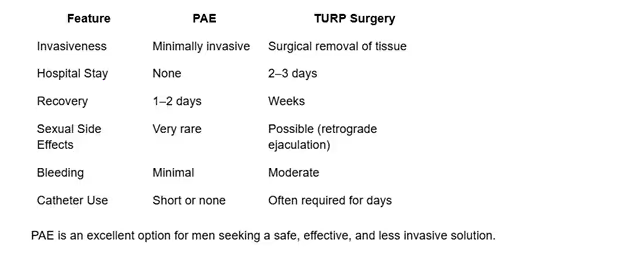
💡 How PAE Compares to Traditional Surgery (TURP)
🧭 What to Expect After the Procedure
Most men report major lifestyle improvement as the prostate continues to shrink.
🏥 The Future of BPH Treatment
With increasing demand for minimally invasive therapies, Prostatic Artery Embolization is gaining global recognition as a game-changing treatment for BPH. It strikes the perfect balance between effectiveness, safety, and patient comfort.
If an enlarged prostate is affecting your daily life, PAE offers a modern, life-enhancing solution.
Consult a trained interventional radiologist to determine whether PAE is the right option for you.


Comments
Post a Comment