Primary vs Secondary Lymphedema – What’s the Difference?
Lymphedema is a chronic condition that causes swelling—most commonly in the arms or legs—due to a buildup of lymph fluid. It occurs when the lymphatic system is damaged or doesn’t function properly. While the symptoms may look similar, there are two main types of lymphedema: primary and secondary. Understanding the difference is key to early diagnosis, proper treatment, and long-term management.

What Is Lymphedema?
The lymphatic system is a vital part of your immune and circulatory systems. It helps remove excess fluid, waste, and toxins from tissues while transporting infection-fighting cells throughout the body. When this system becomes impaired, lymph fluid accumulates in the tissues, causing swelling, discomfort, and sometimes skin changes.
Lymphedema can affect one or both limbs and may develop gradually or suddenly, depending on the cause.
What Is Primary Lymphedema?
Primary lymphedema is rare and occurs due to a congenital or inherited abnormality in the lymphatic system. This means a person is born with lymphatic vessels or nodes that are missing, underdeveloped, or not functioning properly.
Causes:
Primary lymphedema is caused by genetic mutations that affect lymphatic development. It may appear:
One known inherited form is Milroy disease, which typically presents in infancy.
Key Characteristics:
Although present from birth genetically, symptoms may not appear until later in life.
What Is Secondary Lymphedema?
Secondary lymphedema is far more common and occurs when the lymphatic system is damaged after birth.
Common Causes:
A common example is lymphedema following breast cancer treatment, particularly after lymph node removal during surgery for Breast cancer.
Worldwide, a leading cause of secondary lymphedema is Lymphatic filariasis, a parasitic infection transmitted by mosquitoes.
Key Characteristics:
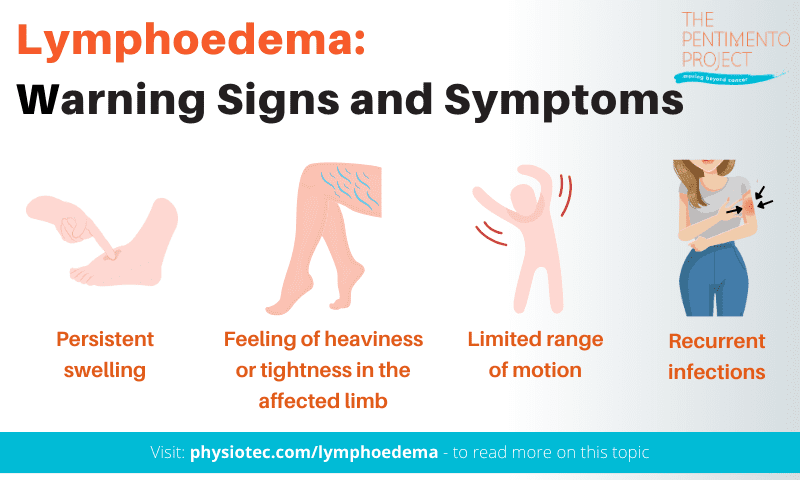
Symptoms of Both Types
While the causes differ, symptoms of primary and secondary lymphedema are similar:
Without treatment, lymphedema can worsen over time.
How Are They Diagnosed?
Diagnosis usually involves:
Identifying whether the lymphedema is primary or secondary depends largely on personal history and timing of symptom onset.
Treatment Options
While there is currently no cure for lymphedema, both types can be managed effectively with:
Early intervention significantly improves outcomes and helps prevent complications.
Why Knowing the Difference Matters
Understanding whether lymphedema is primary or secondary helps healthcare providers determine:
Although secondary lymphedema is more common, primary lymphedema requires careful genetic and long-term management considerations.


Comments
Post a Comment