Post-Procedure Care after Geriatric Artery Embolization (GAE): What Families Should Know
Geriatric Artery Embolization (GAE) has emerged as a life-changing treatment for elderly women suffering from uncontrolled uterine bleeding. It offers a safe, minimally invasive alternative to high-risk surgery, especially for patients who have other health conditions like diabetes, hypertension, heart disease, or low haemoglobin. While the procedure itself is quick and low-risk, proper post-procedure care plays a major role in achieving excellent recovery and long-term results.
Family support is essential during this period—not only for physical wellbeing but also for emotional comfort and confidence. Here is a complete guide on what families should know and how they can help.
What to Expect Immediately After GAE
After the procedure, the patient is moved to a recovery area for monitoring. Most patients are discharged the same day or within 24 hours, depending on their overall health.
Common Normal Experiences Post-Procedure
These are part of the normal healing response as blood supply to the treated vessels adjusts.
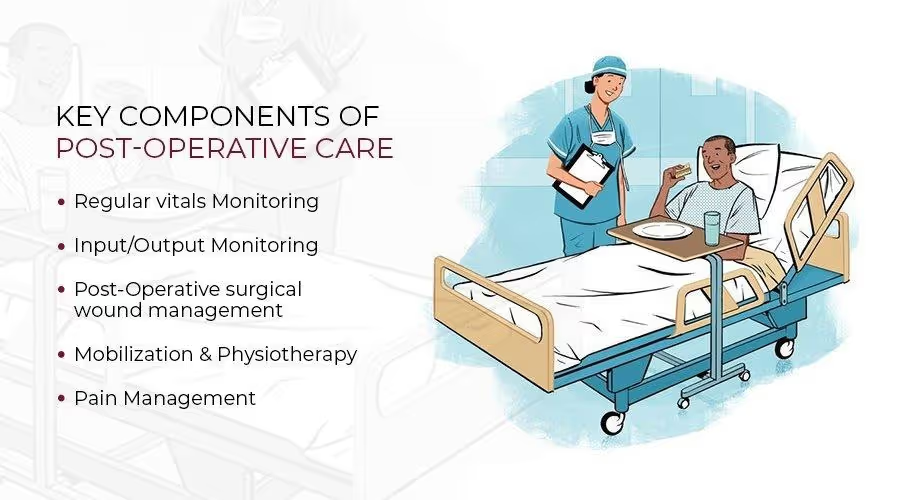
Essential Post-Procedure Care Guidelines
1. Rest and Recovery
2. Hydration and Diet
3. Pain Management
4. Care at the Catheter Site
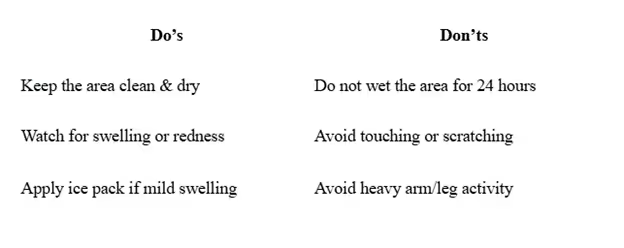
Warning Signs: When to Seek Medical Attention
Call the doctor immediately if any of these symptoms occur:
These symptoms are uncommon, but early action ensures safety.
Emotional Support & Family Involvement
Post-menopausal bleeding can be mentally distressing. Families should:
A positive home environment significantly accelerates recovery.
Follow-Up Care
Doctors typically schedule follow-ups at:
Routine imaging may be recommended to ensure proper healing.
Recovery Timeline
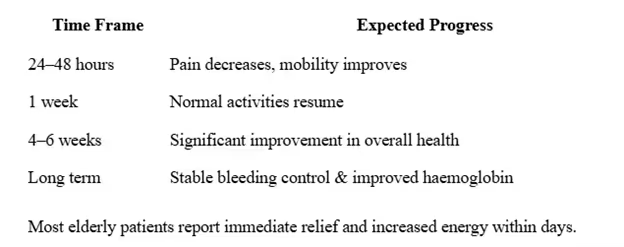
How GAE Improves Quality of Life
Post-GAE Care at Bankers Vascular Hospital
At Bankers Vascular Hospital, our dedicated team ensures:
Our goal is to make the recovery journey safe, comfortable, and stress-free.
Conclusion
Post-procedure care after Geriatric Artery Embolization is simple but essential. With proper rest, monitoring, emotional support, and medical follow-up, elderly women can achieve excellent recovery and return to normal life quickly. Families play a crucial role in ensuring comfort, safety, and confidence during healing.


Comments
Post a Comment