Nutrition Choices That Support Nerve Health
(How Smart Food Habits Protect Your Nerves & Reduce Damage Risk)
Nerves are the body’s electrical wiring system — they carry signals between the brain, spinal cord, muscles, and organs. When nerve health declines, symptoms like tingling, burning sensation, numbness, weakness, and pain can appear. Conditions like diabetes, vitamin deficiencies, chronic inflammation, and poor lifestyle habits often contribute to nerve damage.
The good news? Nutrition plays a powerful role in protecting and supporting nerve function. The right dietary choices can strengthen nerve fibers, improve signal transmission, and reduce inflammation.
Let’s explore what your nerves actually need — and what to include in your daily diet.
🧠 Why Nutrition Matters for Nerve Health
Nerves require:
Poor nutrition can lead to:
✅ Key Nutrients That Support Nerve Health
1️⃣ Vitamin B Complex — the Nerve Vitamins
B vitamins are crucial for nerve repair and signal conduction.
Most important ones:
Food sources:
⚠️ Low B12 is a common cause of numbness and tingling — especially in vegetarians and older adults.
2️⃣ Omega-3 Fatty Acids — Anti-Inflammatory Protectors
Omega-3 fats reduce nerve inflammation and support nerve membrane health.
Food sources:
3️⃣ Magnesium — Nerve Signal Regulator
Magnesium helps regulate nerve impulses and muscle relaxation.
Low magnesium may worsen:
Food sources:
4️⃣ Antioxidants — Nerve Damage Fighters
Oxidative stress damages nerve cells. Antioxidants help neutralize harmful free radicals.
Top antioxidant foods:
5️⃣ Vitamin D — Nerve & Immune Support
Vitamin D supports nerve growth and reduces inflammatory damage.
Sources:
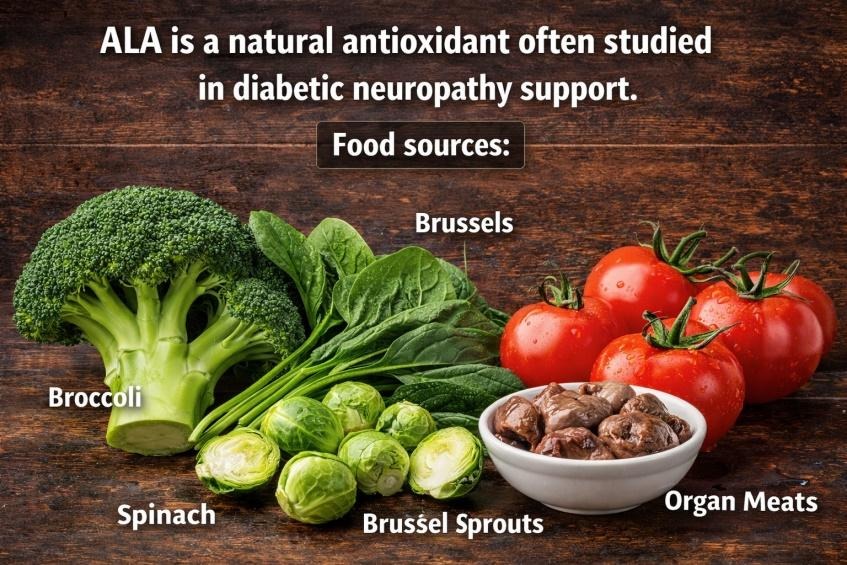
6️⃣ Alpha Lipoic Acid (ALA) — Nerve Repair Support
🍽️ Best Diet Patterns for Nerve Health
✅ Anti-Inflammatory Diet Pattern
✅ Diabetes-Friendly Diet (Important for Neuropathy Prevention)
Stable blood sugar = less nerve damage risk.
❌ Foods That Harm Nerve Health
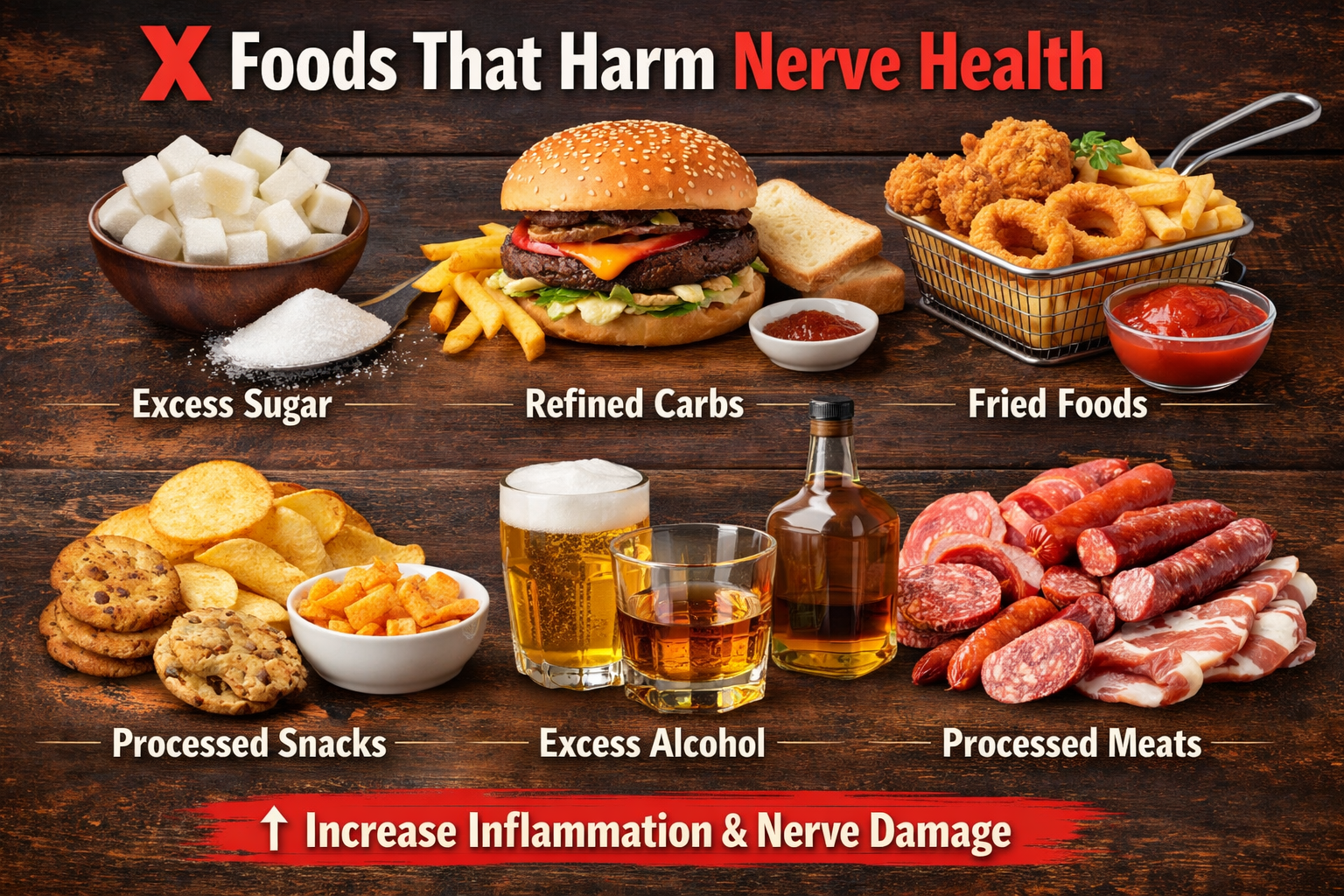
These increase inflammation and worsen nerve injury.
💧 Hydration Also Matters
Nerve conduction depends on proper electrolyte balance.
Drink enough:
Dehydration can worsen nerve symptoms.
⚠️ When Diet Alone Is Not Enough
Nutrition supports nerve health — but if you already have symptoms like:
You need medical evaluation and nerve assessment — not just supplements.
Early diagnosis prevents permanent nerve damage.
🏥 Expert Nerve Care — Bankers Vascular Hospital
At Bankers Vascular Centre, we specialize in evaluating and managing nerve-related complications — especially those linked with diabetes, vascular issues, and circulation disorders.


Comments
Post a Comment