Non-Surgical Treatments for Hair Loss
Hair loss is a common concern in both men and women. While hair transplant surgery is widely known, many patients can benefit from non-surgical and minimally invasive treatments, especially in early to moderate stages of hair thinning.
Why Does Hair Loss Happen?
Hair loss may occur due to:
Early evaluation helps identify the underlying cause and choose the right treatment.
Effective Non-Surgical Treatment Options
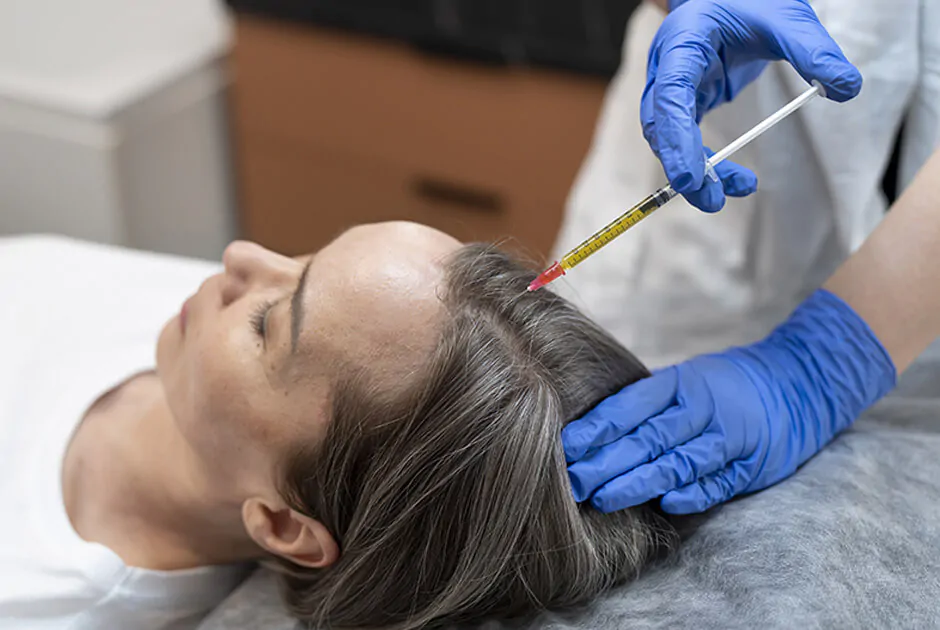
1) PRP Therapy (Platelet-Rich Plasma)
PRP uses the patient’s own platelets to:
It is a safe, outpatient, minimally invasive procedure.
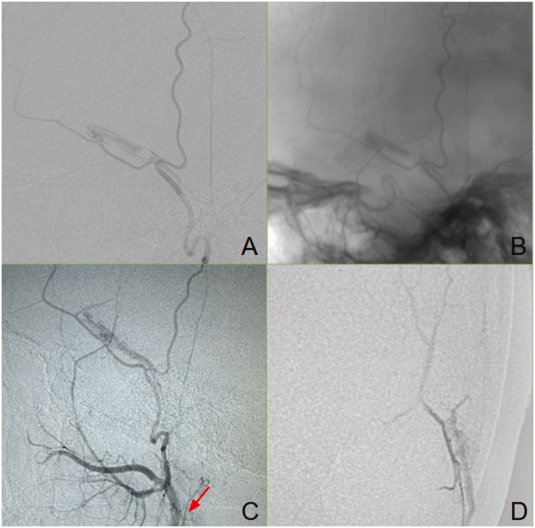
2) Temporal Artery Embolisation – An Advanced Vascular Approach
Temporal Artery Embolisation is an emerging minimally invasive procedure aimed at improving hair loss in selected patients.
How does it work?
Potential Benefits:
This treatment is typically considered in carefully selected cases after proper vascular and clinical evaluation.


Comments
Post a Comment