Non-Surgical Options for Chronic Heel Pain: Focus on T.A.M.E. (Heel Pain Embolisation)
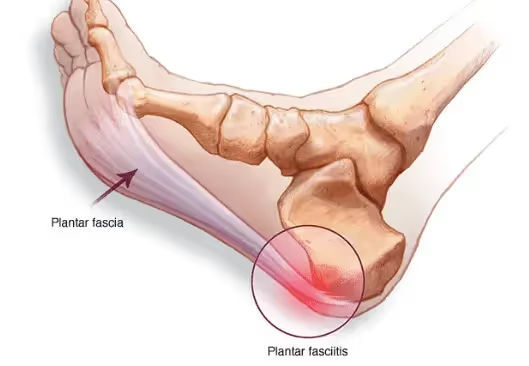
Chronic heel pain is a common condition that can significantly affect mobility, work, and overall quality of life. While most patients improve with conventional treatments such as rest, physiotherapy, and orthotics, some continue to experience persistent pain. For these patients, advanced non-surgical options like T.A.M.E. (Transcatheter Arterial Micro-Embolisation) offers an effective alternative to surgery.
Understanding Chronic Heel Pain
Heel pain most commonly results from conditions such as chronic plantar fasciitis, Achilles tendon inflammation, or degenerative soft tissue changes. When inflammation becomes long-standing, abnormal microscopic blood vessels may develop around the painful area, continuing to stimulate pain receptors and delaying healing.
Non-Surgical Treatment Options for Heel Pain
1. Conventional Conservative Treatments
Many patients respond well to first-line non-surgical care, including:
These methods aim to reduce strain and inflammation but may not be sufficient in long-standing cases.
2. T.A.M.E. – Transcatheter Arterial Micro-Embolisation (Heel Pain Embolisation)

T.A.M.E. is an advanced, minimally invasive, non-surgical procedure designed for patients with chronic heel pain that does not respond to conventional treatment.
What Is T.A.M.E.?
T.A.M.E. targets abnormal blood vessels responsible for ongoing inflammation and pain in chronic heel conditions, particularly plantar fasciitis.
How the Procedure Works
The procedure is performed by a trained interventional radiologist under local anesthesia.
Benefits of T.A.M.E. Treatment
3. Shockwave Therapy (ESWT)
Extracorporeal Shockwave Therapy may be used to stimulate healing in chronic heel pain, particularly before considering advanced procedures.
4. Supportive Measures
These measures are often used alongside advanced treatments to optimize results.
Who Is a Candidate for T.A.M.E.?
T.A.M.E. may be considered for patients who:
When Is Surgery Needed?
Surgery is generally reserved for patients who do not respond to all non-surgical options, including advanced treatments like T.A.M.E. In most cases, surgery can be avoided with appropriate early and targeted care.
When to Seek Medical Advice
Consult a specialist if:
Early evaluation allows access to a wider range of non-surgical options.


Comments
Post a Comment