Non-Opioid Strategies for Chronic Pain Management
Chronic pain affects daily life, sleep, mood, and mobility. While opioids were once commonly prescribed, they are not always the safest or most effective long-term solution. Today, many non-opioid strategies can help manage chronic pain while reducing the risks of dependence and side effects.
Understanding Chronic Pain
Chronic pain lasts longer than three months and may continue even after an injury has healed. It often involves changes in the nervous system, making pain signals more persistent and complex. Effective treatment usually requires a multimodal approach rather than a single medication.
Non-Opioid Treatment Options
1. Non-Opioid Medications
Several medications can reduce pain and inflammation without opioids, including:
These are often used in combination and tailored to the type of pain.

2. Physical Therapy and Movement
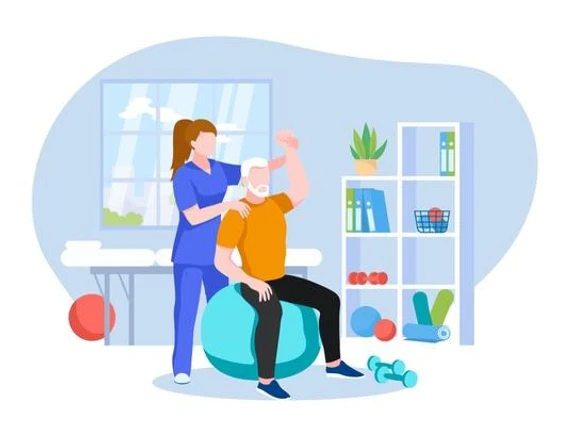
Targeted exercises improve strength, flexibility, and posture, helping reduce pain and prevent further injury. Gentle movement therapies such as stretching, walking, and aquatic therapy can also improve function and confidence.
3. Interventional Pain Procedures
For some patients, injections or nerve-targeted procedures can reduce inflammation or block pain signals, offering relief without long-term medication use.
4. Psychological and Behavioral Therapies
Chronic pain affects both the body and mind. Cognitive behavioral therapy (CBT), relaxation techniques, and mindfulness can help patients manage pain perception, stress, and emotional well-being.
5. Lifestyle and Self-Care Approaches
Healthy sleep habits, balanced nutrition, weight management, and stress reduction play a vital role in long-term pain control. Smoking cessation and regular activity also support better pain outcomes.
6. Complementary Therapies
Some patients benefit from therapies such as acupuncture, massage, heat or cold therapy, and biofeedback when used as part of a comprehensive care plan.
Why a Multidisciplinary Approach Works
Chronic pain is complex and often requires input from multiple specialists. Combining medical, physical, and psychological strategies provides better and longer-lasting relief than relying on medications alone.


Comments
Post a Comment