Musculoskeletal Pain in Young Adults – New Lifestyle Causes
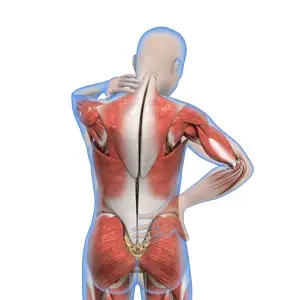
Musculoskeletal pain is no longer a condition associated only with aging or physically demanding jobs. Increasingly, young adults in their 20s and 30s are reporting chronic back pain, neck stiffness, joint discomfort, and muscle fatigue. What’s driving this shift isn’t injury or disease — it’s the way modern life is designed.
Today’s lifestyles are efficient, digital, and fast-paced, but they come with hidden physical costs that the human body hasn’t adapted to yet.
A Generational Shift in Pain Patterns
Earlier generations developed musculoskeletal issues after decades of physical labor. In contrast, today’s young adults experience pain early, often after only a few years of:


This mismatch between high mental load and low physical activity creates a perfect environment for musculoskeletal dysfunction.
The New Lifestyle Triggers Behind the Pain
1. Digital Posture and “Static Overload”
The human body is designed for movement, not prolonged stillness. Modern work and entertainment demand long hours in fixed positions. Sustained sitting and screen use cause:
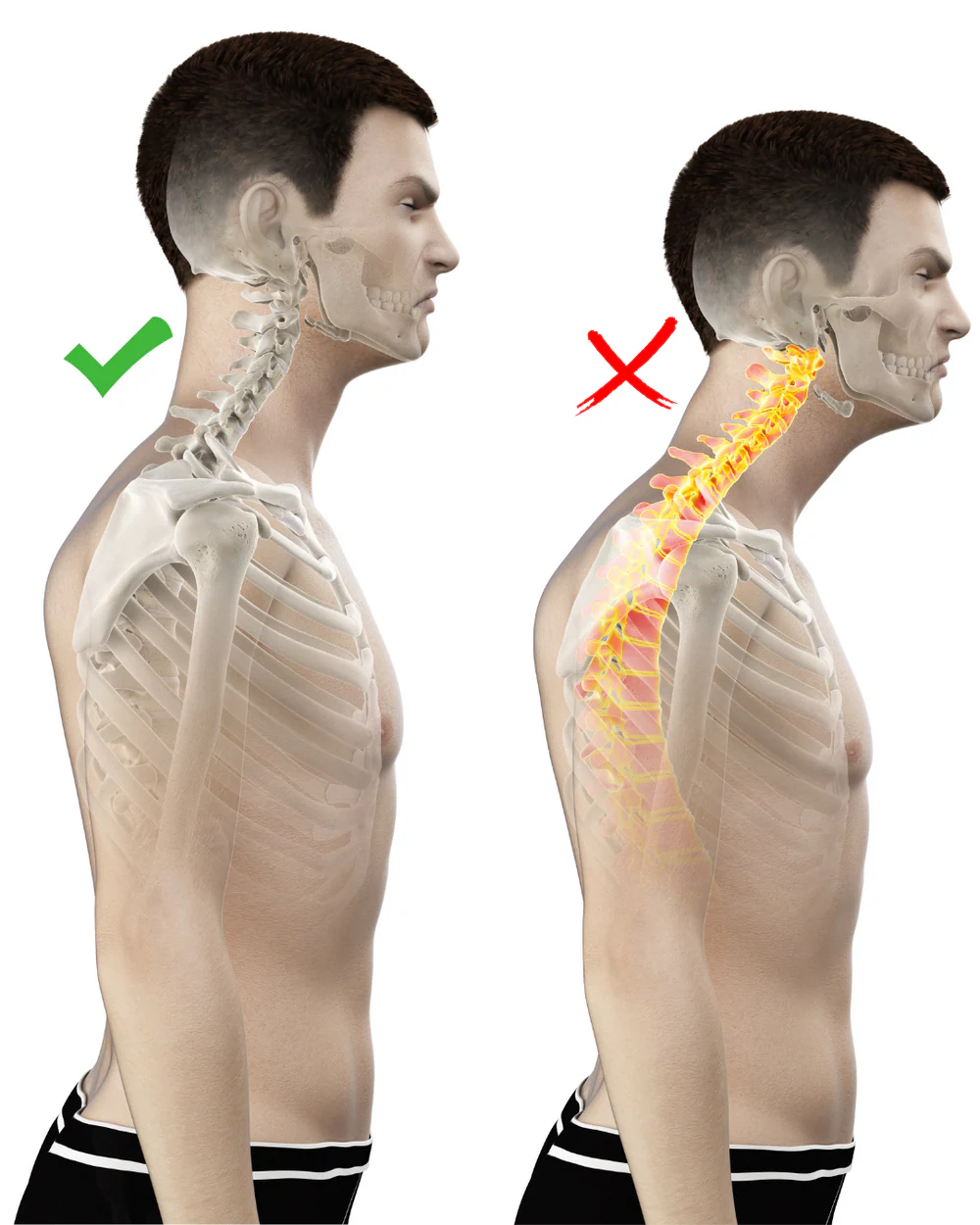
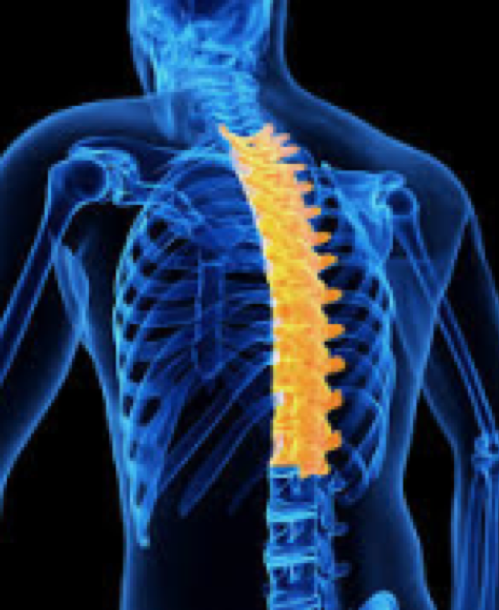
This “static overload” places continuous stress on muscles and joints, leading to pain even without obvious injury.
2. Sedentary Efficiency
Technology has removed most natural movement from daily life. Elevators replace stairs, deliveries replace walking, and automation reduces physical effort. Over time, this leads to:
Pain emerges not from overuse, but from underuse.
3. Chronic Stress and Neuromuscular Tension
Modern stress is psychological rather than physical — deadlines, notifications, and constant connectivity. The nervous system stays in a prolonged “alert” state, causing:
Stress turns minor physical strain into chronic discomfort.
4. Exercise Without Balance
While fitness culture has grown, it often emphasizes intensity over quality. Common issues include:

Without recovery and proper movement patterns, exercise can reinforce imbalances instead of correcting them.
5. Sleep Debt and Incomplete Recovery
Sleep is when tissues repair and inflammation settles. Irregular schedules and excessive screen exposure reduce sleep quality, resulting in:
Pain becomes persistent when recovery is incomplete.
6. Nutritional and Sunlight Deficiencies

Indoor lifestyles limit sun exposure and encourage convenience diets. Suboptimal levels of:
can impair muscle function, bone health, and tissue repair, subtly contributing to chronic pain.
Why This Pain Is Often Overlooked
Young adults are often told their pain is “postural,” “stress-related,” or temporary. While partially true, this dismissive framing delays intervention. Musculoskeletal pain is multifactorial and progressive — ignoring early signs allows minor dysfunction to become chronic.
A Smarter Approach to Prevention
Managing musculoskeletal pain today requires intention, not extreme measures:
The solution isn’t doing more — it’s moving better and recovering smarter.
Final conclusion
Musculoskeletal pain in young adults is not a mystery condition; it’s a predictable outcome of modern living. As lifestyles evolve faster than biology, pain becomes an early warning signal — not a failure, but feedback.
Listening to that signal early can prevent a lifetime of discomfort.


Comments
Post a Comment