Multidisciplinary Approach to Persistent Body Pain: Why One Treatment Alone Is Often Not Enough
Persistent body pain is one of the most common yet most misunderstood health problems. Many patients move from one doctor to another, try multiple medicines, and still continue to suffer. The reason is simple — chronic pain is rarely caused by a single factor, and therefore it rarely responds to a single type of treatment.
A multidisciplinary approach brings together different medical specialties and therapies to treat pain from multiple angles — physical, neurological, psychological, and lifestyle-related — leading to better and longer-lasting results.
Let’s understand why this approach works and how it is changing modern pain care.
What Is Persistent Body Pain?
Persistent (chronic) body pain is pain that lasts more than 3 months or keeps recurring despite treatment. It may include:
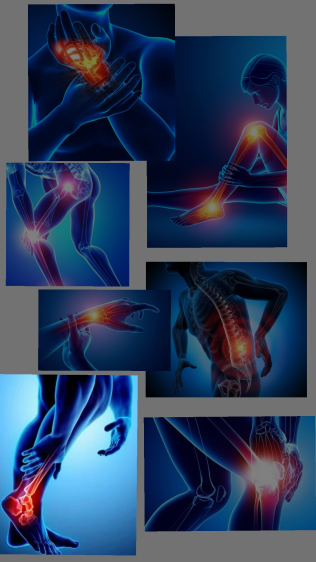
Such pain affects not only the body — but also sleep, mood, work performance, and quality of life.
Why Single-Specialty Treatment Often Fails
Many patients receive only one type of treatment, such as:
While each of these can help, pain is often multifactorial — involving muscles, joints, nerves, blood supply, posture, stress, and behavior patterns. Treating only one component leaves the others unaddressed.
Result: temporary relief, repeated flare-ups, frustration.
What Is a Multidisciplinary Pain Approach?
A multidisciplinary approach means a coordinated treatment plan created by multiple specialists, tailored to the patient’s specific pain source and contributing factors.

This team may include:
Instead of isolated treatment — the patient receives integrated care.
Key Components of Multidisciplinary Pain Management
1️⃣ Accurate Diagnosis First
Proper evaluation is critical:
Correct diagnosis prevents unnecessary treatments and speeds recovery.
2️⃣ Targeted Medical Management
Medicines may include:
Goal: reduce pain enough so that active therapies can begin — not lifelong dependence.
3️⃣ Interventional Pain Procedures
When appropriate, minimally invasive procedures may help:
These treatments can reduce pain generators directly and enable faster rehabilitation.
4️⃣ Structured Physiotherapy & Movement Therapy
Movement is medicine — when prescribed correctly.
Includes:
Physiotherapy prevents recurrence — something medicines alone cannot do.
5️⃣ Psychological & Behavioral Support
Persistent pain changes brain processing and emotional health.
Support may include:
Evidence shows that mental health care significantly improves pain outcomes.
6️⃣ Lifestyle & Ergonomic Correction
Daily habits matter more than occasional treatment.
Focus areas:
These changes make results sustainable.
Benefits of Multidisciplinary Pain Care
Patients typically experience:
✅ Better pain control
✅ Faster functional recovery
✅ Reduced medication dependence
✅ Fewer repeat flare-ups
✅ Lower need for major surgery (in selected cases)
✅ Improved quality of life
Research consistently shows that integrated pain programs outperform single-method treatment.
When Should You Consider This Approach?
Consider multidisciplinary care if:
Final Takeaway
Persistent body pain is not just a symptom — it is a condition that deserves structured, team-based care. A multidisciplinary approach treats the root causes, not just the surface discomfort.
The right combination of diagnosis, intervention, rehabilitation, and lifestyle correction can transform long-standing pain into manageable — and often reversible — conditions.


Comments
Post a Comment