Many patients have so many questions about gastric artery embolization because it is kind of new to people. So here you will get to know about gastric artery embolization and its basics.
Gastric artery embolization (GAE) is an innovative,minimally invasive procedure that is gaining attention as a nonsurgical technique for weight loss and obesity management.
What is Gastric Artery Embolization?
Gastric artery embolization targets the left gastric artery,which supplies blood to a part of the stomach responsible for producing ghrelin, a hormone that stimulates appetite. By blocking this artery with microscopic beads, the procedure reduces ghrelin levels, leading to decrease dhunger and potential weight loss.
How the Procedure Works
GAE is performed by interventional radiologists using a catheter inserted through the wrist or groin.
Tiny embolic particles are injected to block the left gastric artery.
The technique has its origins in procedures used to stop gastric bleeding but was adapted for weight loss after research identified the stomach’s role in regulating appetite.
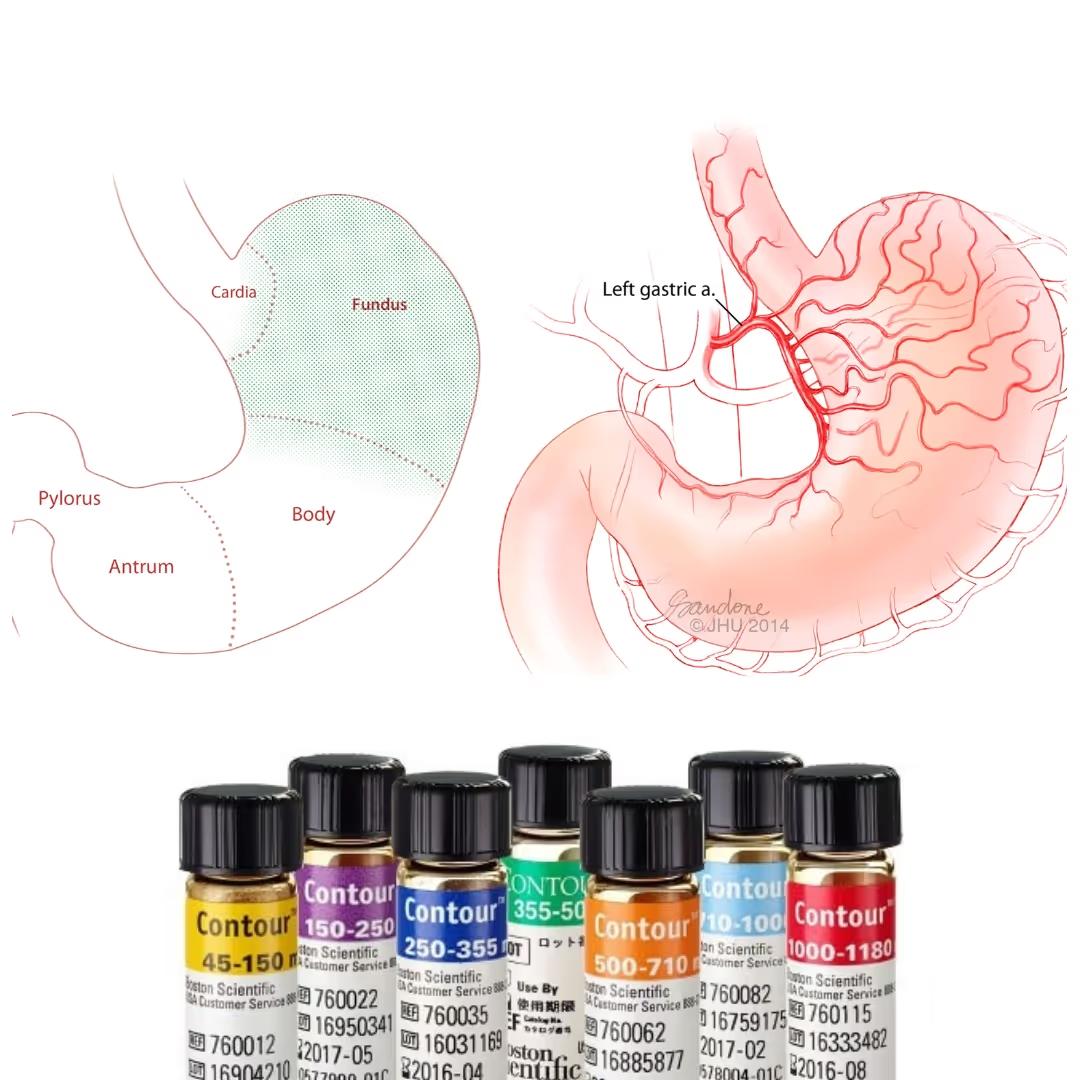
embolic particles & gastric artery.
Mechanism and basics of gastric artery embolization:
Targeting the Fundus: The procedure focuses on the gastric fundus, the part of the stomach rich in hormone-producing cells, specifically those that release ghrelin, often called the "hunger hormone".
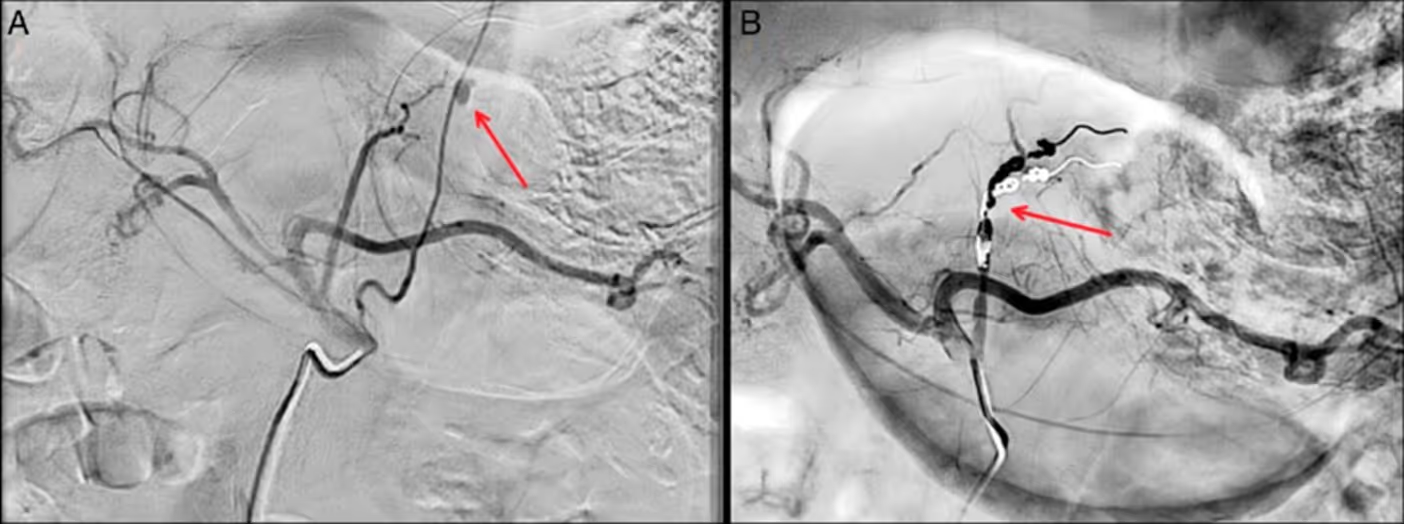
Blocking the Blood Supply: By embolizing (blocking) the left gastricartery using tiny particles injected via catheter, blood flow to the fundus decreases.
gastricartery
Reduction in Ghrelin Production: This localized reduction in blood supply causes a decrease in ghrelin production, lowering circulating ghrelin levels in the body and thereby reducing appetite and food intake.
Impact on Weight: With less hunger and reduced food intake over time, patients tend to lose weight. Studies confirm a correlation between falling ghrelin levels post-embolization and significant weight loss in both animal and human trials.
Additional Benefits: Beyond weight loss, some patients also experience improvements in metabolic indicators like blood glucose and lipid profiles following GAE.
Effectiveness and Outcomes
The key mechanism is a significant decrease in ghrelin, often called the “hunger hormone,” for months after embolization.
Early results suggest the procedure is safe with limited complications, though larger and longer-term studies are ongoing.
Safety and Advantages
GAE is less invasive than bariatric surgery and does not require incisions or removal of stomach tissue.
The risk profile is favorable, with a low incidence of serious side effects reported in studies.
Recovery time is much quicker compared to traditional surgery, making it a promising alternative for many patients.
Mechanism and basics of gastric artery embolization:
Targeting the Fundus: The procedure focuses on the gastric fundus, the part of the stomach rich in hormone-producing cells, specifically those that release ghrelin, often called the "hunger hormone".
Blocking the Blood Supply: By embolizing (blocking) the left gastric artery using tiny particles injected via catheter, blood flow to the fundus decreases.
Reduction in Ghrelin Production: This localized reduction in blood supply causes a decrease in ghrelin production, lowering circulating ghrelin levels in the body and thereby reducing appetite and food intake.
Impact on Weight: With less hunger and reduced food intake over time, patients tend to lose weight. Studies confirm a correlation between falling ghrelin levels post-embolization and significant weight loss in both animal and human trials.
Additional Benefits: Beyond weight loss, some patients also experience improvements in metabolic indicators like blood glucose and lipid profiles following GAE.
This minimally invasive technique modifies appetite regulation at a hormonal level, providing a novel, nonsurgical approach to obesity treatment.
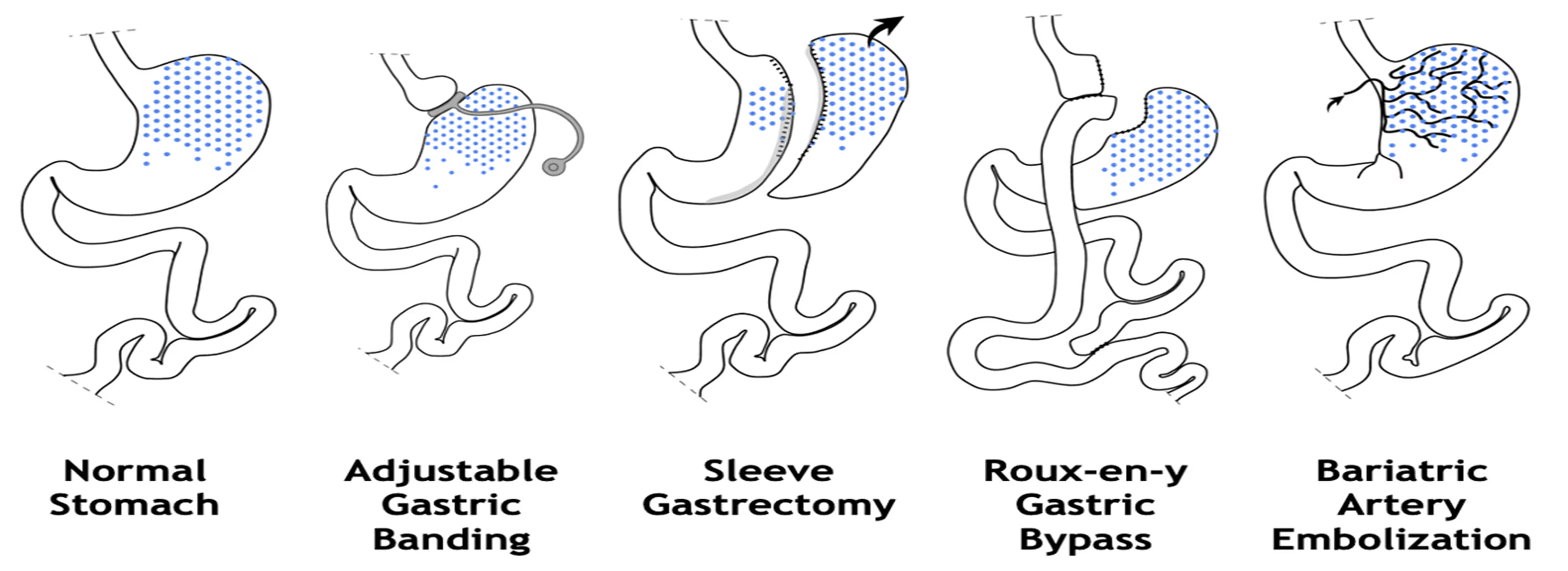
GAE vs Bariatric artery embolization
Stage Of Stomach
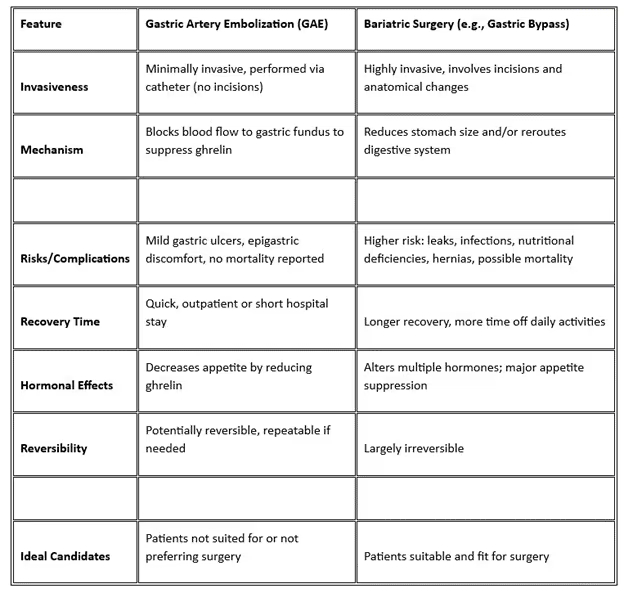
GAE is safer, less invasive, and has a favorable short-term safety and recovery profile, but does not produce as much weight loss as surgical options
Bariatric surgery offers more dramatic and durable weight loss effects but carries higher risks and requires longer recovery and life-long follow-up for nutritional issues.
GAE can serve as a complementary or alternative approach in patients for whom surgery is unsuitable or undesired, and the two techniques may coexist depending on individual patient needs.
Candidates for gastric artery embolization (GAE) aretypically adults with obesity who meet specific health and anatomical criteria for the procedure. The most suitable candidates generally have a BMI between 35and 50, are under a weight threshold (typically less than 150 kg), and do not have significant medical comorbidities that could increase the risk of complications.
If you are seeking to transform your weight through the latest advancements in medical technology, Bankers Vascular Hospitalisproud to be the sole provider of advanced Gastric Artery Embolization (GAE) inthe region. At our facility, every patient is treated with the highest standard of care, supported by a skilled and compassionate team dedicated to your success. Experience personalized attention and cutting-edge, nonsurgical weight loss solutions—exclusively at Bankers Vascular Hospital.
Get link
Facebook
X
Pinterest
Email
Other Apps
Comments
Popular posts from this blog
Breast Fibroadenoma v/sBreast Cancer: Key Differences and Treatment Options When a woman feels a lump in her breast, it is natural to worry about breast cancer.However, not all lumps are cancerous. One of the most common non-cancerous(benign) breast lumps is fibroadenoma . Understanding the difference between fibroadenoma and breast cancer can help reduce anxiety and ensure timely diagnosis and treatment. What is a Fibroadenoma? A fibroadenoma is a benign breast lump, usually found in women between 15 and 35 years of age. It feels smooth, rubbery, and mobile , meaning it can move slightly under the skin. It is caused by an overgrowth of breast gland and connective tissue. Fibroadenomas may change size with hormones and sometimes shrink on their own. What is Breast Cancer? Breast cancer is an abnormal growth of breast cells that can spread to surrounding tissues and other parts of the body. It usually feels like a hard, irregular lump that...
Carpal Tunnel Syndrome: Early Signs People Ignore Carpal Tunnel Syndrome (CTS) is one of the most common nerve conditions today, especially with increased screen time and repetitive hand use. What makes it tricky is that it often starts with small, easily ignored symptoms —signs many people dismiss until the condition becomes painful and disruptive. Understanding the early warning signs can help prevent long-term nerve damage and keep your hands healthy. What Is Carpal Tunnel Syndrome? Carpal Tunnel Syndrome occurs when the median nerve , which runs through a narrow passage in the wrist called the carpal tunnel, becomes compressed. This nerve controls sensation and movement in parts of the hand, so pressure on it can lead to discomfort, weakness, and numbness. Early Signs of Carpal Tunnel Syndrome 1. Tingling or Pins-and-Needles Sensation One of the earliest symptoms is tingling in the thumb, index, middle, and part of the ring finger. It often appears during phone use, typing, o...
PRP Treatment for Knee Joint Pain: A Modern Non-Surgical Solution Knee painis one of the most common problems people face today — whether due to arthritis,sports injuries, or wear and tear with age . Traditionally, treatmentsincluded medicines, physiotherapy, or surgery. But now, a new regenerativetherapy called PRP (Platelet-Rich Plasma) treatment is offering hopeto many patients. Knee Joint PRP What is PRP Treatment? PRP (Platelet-Rich Plasma) therapy is a regenerative medicine technique where doctors use your own blood to help heal damaged tissues. · A small amount of your blood is drawn. ·It’s processed in a centrifugeto separate platelets (rich in growth factors) from other blood components. · This concentrated platelet solution (PRP) is then injected into the knee joint . Healing injured tissues Reducing inflammation Stimulating new cell growth 🔹Conditions Where PRP Helps · ...


Comments
Post a Comment