Lymphedema: Causes, Early Signs & Why Timely Treatment Matters
What Is Lymphedema?
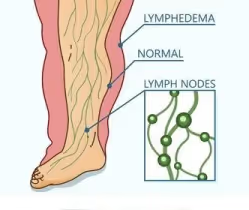
Lymphedema is a chronic condition where protein-rich lymph fluid collects in the arms, legs, or other body parts due to improper drainage. It leads to swelling, heaviness, and skin changes — and
without timely care, it can progress.
Common Causes of Lymphedema
1. Cancer Treatments
● Breast cancer surgery
● Radiation therapy
● Lymph node removal
These treatments can reduce lymphatic flow, increasing the risk of lymphedema.
2. Infections
Recurrent infections (especially cellulitis) damage lymphatic vessels over time.
3. Trauma or Surgery
Any major surgery, burns, or injury can disrupt lymph flow.
4. Congenital (Primary Lymphedema)
Some individuals are born with fewer or abnormal lymphatic vessels.
Early Signs You Should Never Ignore
Timely diagnosis is the key to controlling lymphedema. Look for:
● Persistent swelling in arms/legs
● Tightness or heaviness
● Rings/watches/clothes feeling tight
● Skin thickening or decreased elasticity
● Frequent infections
● Reduced flexibility
Early-stage swelling may improve with rest — but once fibrosis sets in, it becomes harder to reverse.
Why Timely Treatment Matters
Without proper care, lymphedema can worsen and lead to:
● Hardening of tissues (fibrosis)
● Recurrent infections
● Mobility issues
● Permanent swelling
● Skin breakdown
● Emotional burden
At Bankers Vascular Hospital, early intervention programs help patients avoid long-term complications and maintain active lifestyles.


Comments
Post a Comment