Winter Knee Stiffness – What’s Really Happening?
As winter sets in, many people begin to notice something familiar — knee stiffness, discomfort while getting up, difficulty climbing stairs, or pain after long sitting hours.
If you feel your knee are “more tight” or “less flexible” during cold weather, you are not imagining it. Winter genuinely affects joint health — especially in people with arthritis, old injuries, sedentary lifestyles, or age-related wear and tear.
Let’s understand what’s really happening inside your knee during winter.
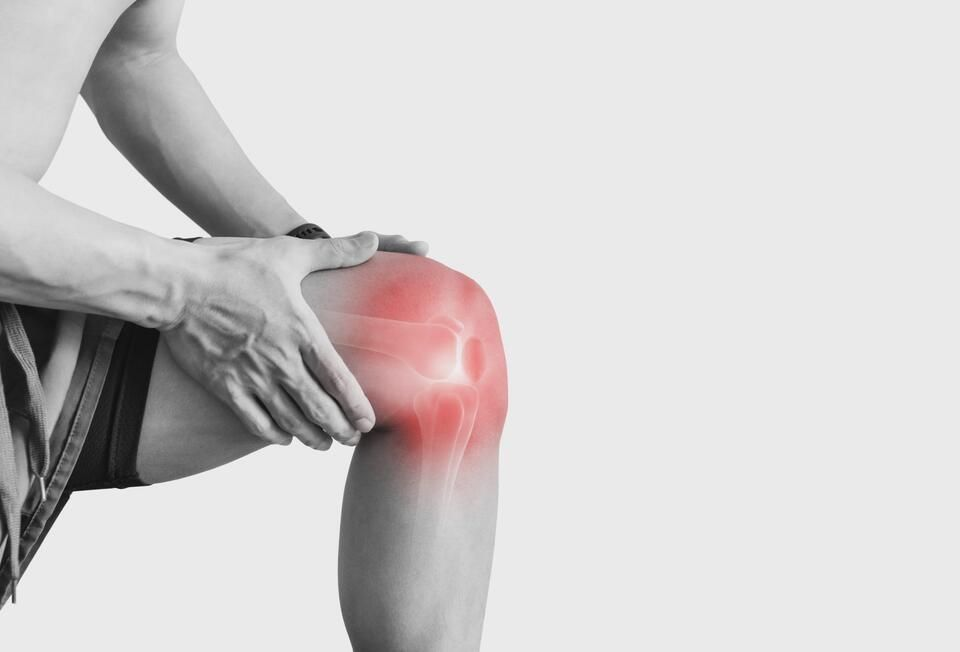
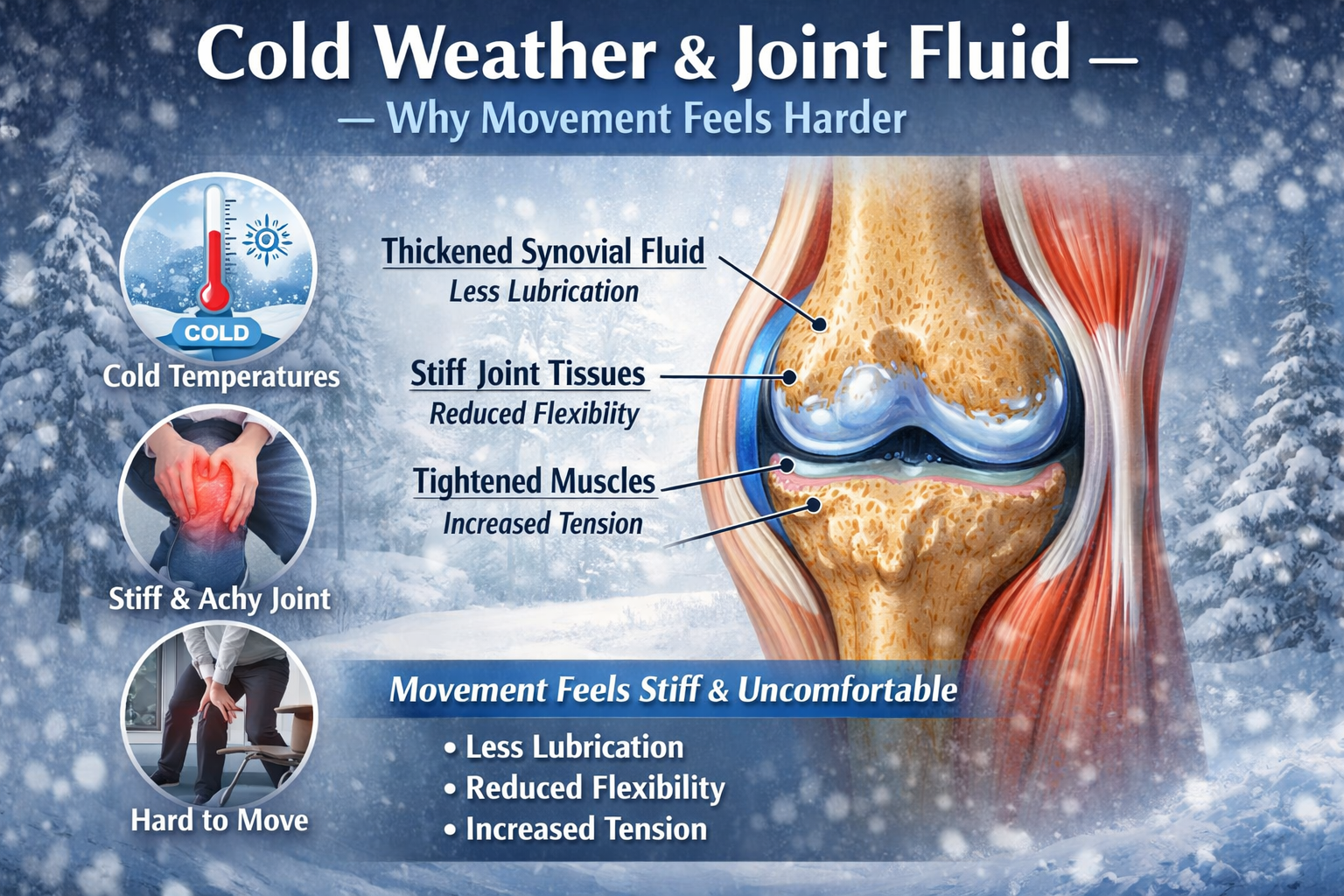
1. Cold Weather & Joint Fluid – Why Movement Feels Harder
Your knees contain synovial fluid, a natural lubricant that allows smooth joint movement.
In cold temperatures:
This makes movement feel stiff — especially:
That’s why the first few steps in winter often feel uncomfortable.
2. Barometric Pressure & Joint Sensitivity
Changes in atmospheric pressure during winter can affect joint tissues.
When pressure drops:
People with osteoarthritis often report increased pain during colder days.
3. Reduced Physical Activity in Winter
Let’s be honest — winter makes people:
Reduced movement causes:
Your knee joint depends on movement for nutrition and lubrication. Less movement = more stiffness.
4. Existing Knee Conditions Become More Noticeable
Winter does not create new disease — but it amplifies underlying issues, such as:
If stiffness lasts more than 15–20 minutes in the morning, or pain is persistent, it may signal early degeneration.
When Should You Be Concerned?
Winter stiffness is common — but watch out for:
If these symptoms appear, professional evaluation is important.
🏥 Modern Non-Surgical Solutions for Knee Pain
Many people think knee pain automatically means surgery. That’s not true.
Today, advanced non-surgical treatments are available, such as:
Early intervention prevents long-term damage.
How to Reduce Winter Knee Stiffness
Simple steps can help:
✔️ Warm compress in the morning
✔️ Gentle stretching before getting out of bed
✔️ Stay physically active (indoor exercises count!)
✔️ Maintain healthy weight
✔️ Keep knees warm
✔️ Avoid prolonged sitting
Consistency is key.
Final Thought
Winter knee stiffness is not “just weather pain.”
It is your body signaling reduced circulation, increased inflammation, or early joint degeneration. Ignoring repeated seasonal pain may delay timely treatment.
The earlier you understand the cause, the better the outcome.
Bankers Vascular Hospital – Advanced Care for Joint & Vascular Health
At Bankers Vascular Hospital, Ahmedabad, we specialize in:
If winter knee stiffness is affecting your daily life, don’t wait for summer to feel better.
📍 Consult our experts and take the first step toward pain-free movement.
Bankers Vascular Hospital Restoring Mobility. Restoring Quality of Life.


Comments
Post a Comment