“Is Surgery Always Necessary? Conditions That Can Be Treated Without a Scalpel”

When pain or a lump is diagnosed, one question often comes up immediately: “Will I need surgery?”
It’s a natural concern—but the answer is not always yes.
For many common conditions, especially those involving joints, soft tissues, or benign growths, surgery is not the first or only option. With the right medical guidance and timely care, symptoms can often be managed effectively without surgical intervention.
Joint Pain and Knee Problems: Surgery Isn’t Always the First Step
Joint pain, particularly in the knee, is one of the most common reasons people seek medical attention. Whether caused by wear and tear, inflammation, minor injuries, or early degenerative changes, knee pain can significantly affect daily life.
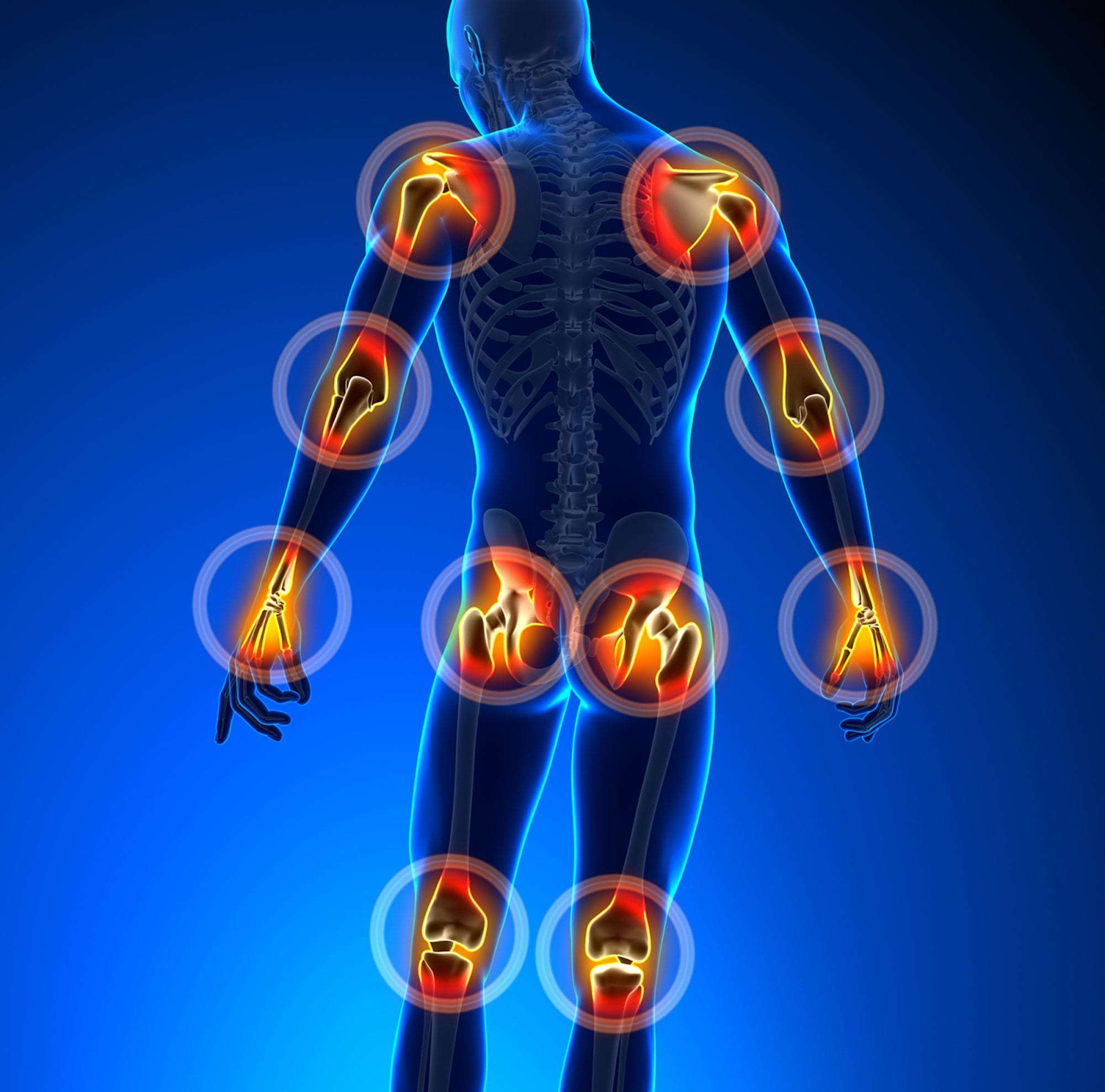
However, not all knee pain requires surgery. In many cases, symptoms improve with conservative medical care focused on reducing pain, improving movement, and supporting joint health. Surgery is usually considered only when pain becomes severe, mobility is significantly limited, or other treatments have not provided relief.
Heel Pain and Plantar Fasciitis: Often Treatable Without Surgery
Heel pain—especially plantar fasciitis—can be frustrating and persistent. The discomfort may interfere with walking, standing, or even resting.
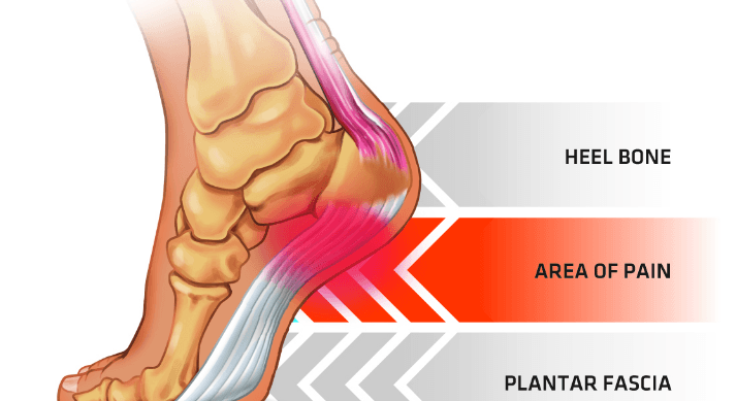
The encouraging news is that most cases of heel pain respond well to non-surgical care. Surgery is rarely needed and is generally reserved for long-standing cases that do not improve over time. Early evaluation and appropriate management can often prevent symptoms from becoming chronic.
Breast Fibroadenoma: Not Every Lump Needs Surgery
Breast fibroadenomas are common, non-cancerous lumps, especially in younger women. While discovering a breast lump can be alarming, it’s important to understand that fibroadenomas are usually harmless.
Many fibroadenomas do not require surgical removal and can be safely monitored under medical supervision. Surgery may only be recommended if the lump grows, causes discomfort, or raises diagnostic concerns.
Why a Conservative Approach Matters
Choosing non-surgical management whenever appropriate can offer several benefits:
Most importantly, it allows treatment to be tailored to the individual rather than jumping to invasive solutions.
Surgery plays an important role in modern medicine—but it is not always necessary. Conditions such as joint pain (especially knee pain), heel pain, plantar fasciitis, and breast fibroadenoma can often be managed successfully with careful evaluation and conservative care.
If you’ve been told surgery might be needed, it’s reasonable to ask whether non-surgical options are appropriate for your condition. In many cases, a thoughtful, step-by-step approach leads to effective relief—without the need for an operation.


Comments
Post a Comment