Is Sitting Cross-Legged on Floor Bad for Knees?
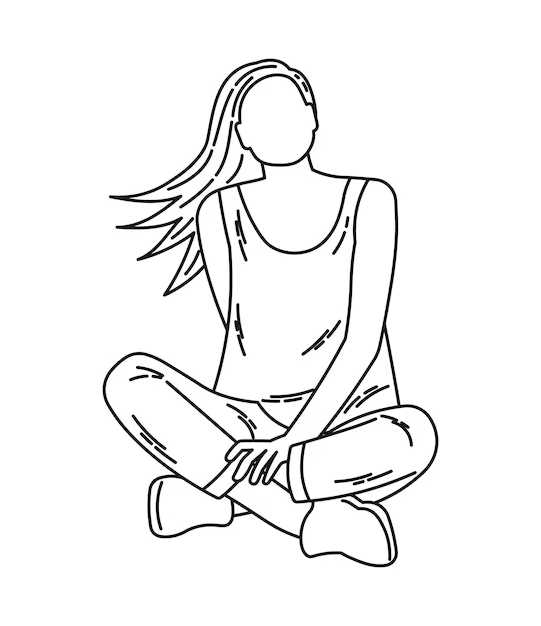
Sitting cross-legged on the floor is common in many cultures, yoga practices, meditation routines, and even casual home settings. But many people wonder:
“Am I damaging my knees by sitting like this?”
The short answer: Not necessarily — but it depends on your joint health, flexibility, and how long you sit this way.
Let’s break it down.
What Happens to Your Knees When You Sit Cross-Legged?
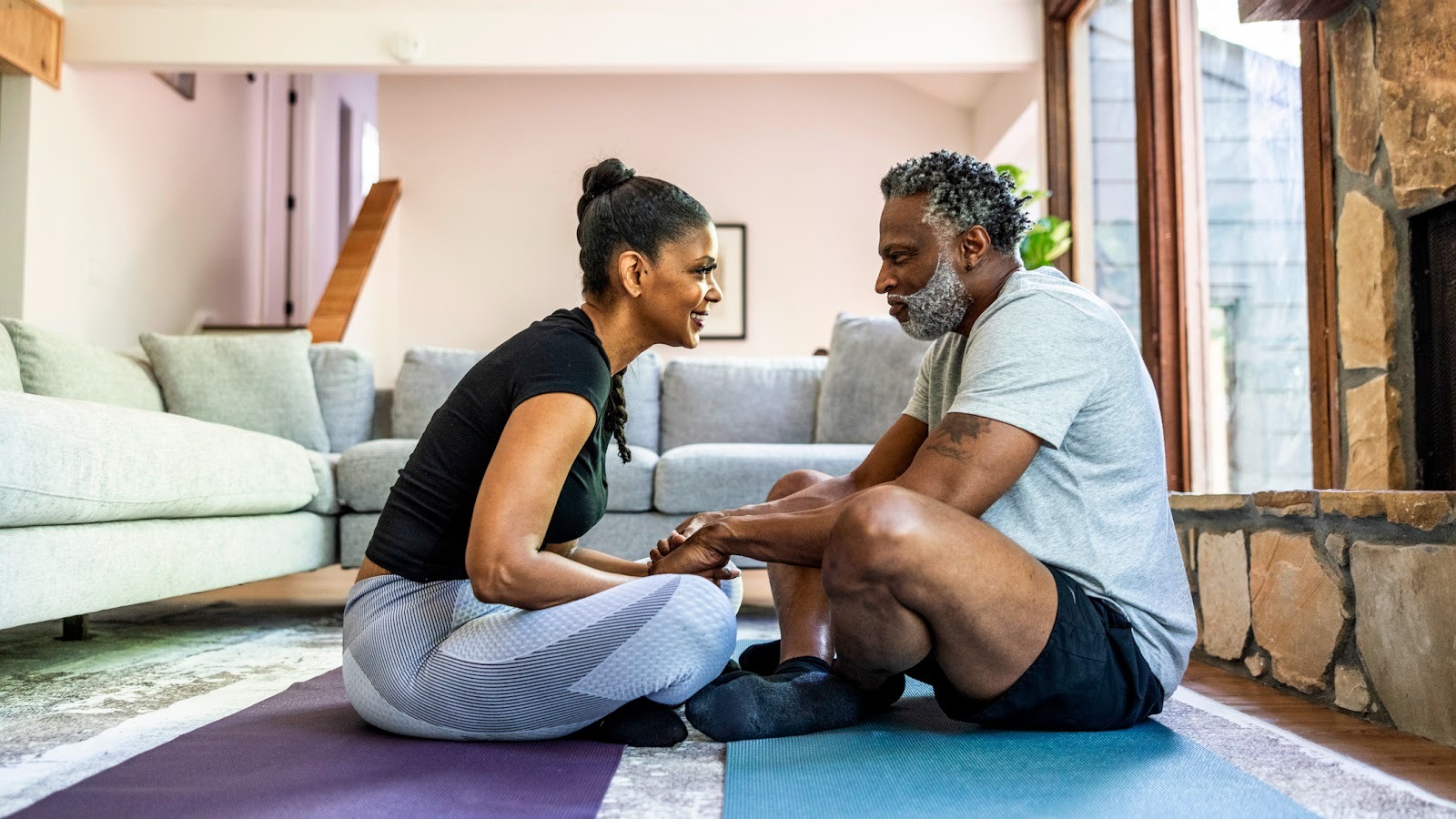

When you sit cross-legged:
If your hips are flexible, they absorb most of the rotation.
If your hips are tight, the stress shifts toward the knees.
When Sitting Cross-Legged Is Generally Safe
For most healthy individuals, especially:
Sitting cross-legged occasionally is not harmful.
In fact, regular floor sitting may improve:
Many cultures sit on the floor daily without widespread knee damage.
When It Can Be a Problem
Osteoarthritis can make deep knee bending uncomfortable.
Symptoms may include:
Deep flexion increases joint surface pressure in arthritic knees.
2)Meniscus Injury
Meniscus tear can worsen with twisting + bending.
You may notice:
3) After Ligament Injuries
If you’ve had ACL, MCL, or other ligament damage, prolonged cross-legged sitting may feel unstable or uncomfortable.
4)If You Feel Persistent Stiffness
Temporary stiffness when standing up is normal.
Pain lasting hours afterward is not.
Does Duration Matter?
Yes — very much.
The issue is rarely the position itself — it’s staying in one position too long.
How to Sit Cross-Legged More Safely
✔Use a cushion under your hips (reduces knee strain)
✔ Keep knees lower than hips
✔ Switch leg positions regularly
✔ Stretch hips and hamstrings
✔ Avoid forcing lotus position
✔ Get up every 20–30 minutes
Improving hip flexibility reduces knee stress dramatically.
When to Avoid It
Avoid prolonged cross-legged sitting if you have:
Final Verdict
Sitting cross-legged on the floor is not inherently bad for your knees.
For healthy joints, it’s safe in moderation.
For injured or arthritic knees, it may increase discomfort.
The real problem isn’t the position — it’s poor mobility, existing joint damage, or staying still too long.


Comments
Post a Comment