How Prostatic Artery Embolization (PAE) Helps Patients Avoid Surgery and Preserve Sexual Function
Benign Prostatic Hyperplasia (BPH) — or enlarged prostate — is a common condition that affects millions of men as they age. While medications and surgery have long been the standard treatments, many men hesitate due to concerns about side effects, long recovery time, and particularly the potential impact on sexual function.
Today, an innovative, minimally invasive treatment called Prostatic Artery Embolization (PAE) is offering patients a safer, more comfortable, and highly effective alternative — one that helps them avoid surgery altogether while preserving sexual function.
Why Men Are Looking for Alternatives to Surgery
The most common surgical treatment for BPH is TURP (Transurethral Resection of the Prostate). While effective, it involves:
Because of these concerns, many men postpone treatment, causing symptoms to worsen over time.
PAE is changing that.
🚀 What Makes PAE a Better Option for Many Patients?
PAE is performed by an interventional radiologist using image guidance and a tiny catheter. The goal is to reduce blood supply to the prostate, causing it to shrink naturally — without cutting or removing tissue.
Why PAE Stands Out:
❤️ How PAE Preserves Sexual Function
One of the biggest advantages of PAE is its ability to protect sexual health, which is often affected after traditional prostate surgery.
1. No Impact on Erectile Function
PAE does not interfere with nerves or tissues responsible for erections. The catheter stays within blood vessels, away from sexual function pathways.
2. Very Low Risk of Retrograde Ejaculation
Surgery like TURP can damage structures involved in ejaculation, leading to semen flowing backward into the bladder.
PAE avoids these structures entirely, making retrograde ejaculation extremely unlikely.
3. Preserves Natural Anatomy
Since no tissue is removed or cut, normal sexual responses remain intact.
4. Confidence and Quality of Life Improve
Men often report improved confidence, reduced anxiety about sexual performance, and better overall well‑being after symptom relief.
🧭 How PAE Helps Patients Avoid Surgery
1. Minimally Invasive but Highly Effective
PAE reduces prostate size gradually, relieving symptoms such as:
Improvements begin within weeks and continue as the prostate shrinks.
2. Ideal for Patients Unfit for Surgery
Men with heart disease, diabetes, blood thinners, or advanced age often cannot undergo traditional surgery. PAE is a safer option for them.
3. No Need for Hospitalization
Everything is done in a day-care setup with local anesthesia, avoiding surgical risks.
4. Lower Risk of Bleeding and Infection
Since PAE involves no incision, complications are rare compared to surgical procedures.
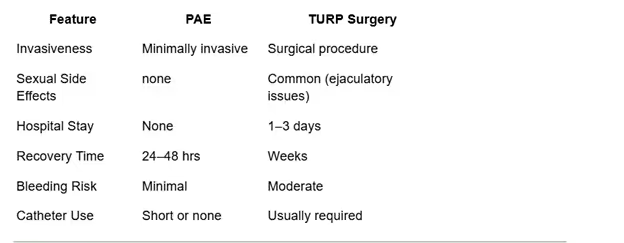
📌 Comparing PAE and Surgery: A Quick Overview
🌟 Who Can Benefit From PAE?
🏥 The Future of BPH Treatment: Minimally Invasive, Effective & Gentle
PAE has quickly become a preferred option worldwide because it offers what many patients want:
For men looking to maintain quality of life while treating BPH effectively, Prostatic Artery Embolization truly is a game-changing solution.
Consult a trained interventional radiologist to find out if PAE is the right solution for your prostate health.


Comments
Post a Comment