How Is Lymphedema Diagnosed?
A blockage or injury to the lymphatic system results in lymphedema, a persistent illness that causes swelling, usually in the arms or legs. Because prompt treatment can help reduce edema, avoid complications, and enhance quality of life, early diagnosis is crucial.
To effectively diagnose lymphedema and rule out other causes of swelling, physicians at Bankers Vascular Hospital employ a methodical diagnostic technique.
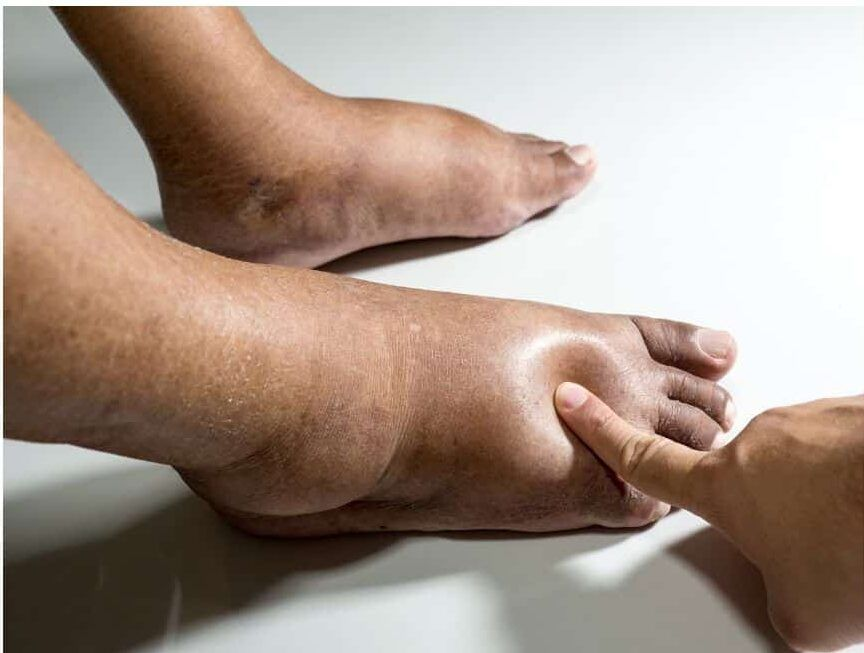
Understanding Lymphedema
Toxins, waste, and extra fluid are removed from bodily tissues by the lymphatic system. Lymph fluid builds up and produces swelling, heaviness, and discomfort when this system malfunctions.
Lymphedema may arise as a result of:
Cancer treatment (particularly following radiation or lymph node excision)
Lymph node infections
Congenital lymphatic vessel anomalies
Damage or injury to the lymphatic system
A correct diagnosis is crucial since edema can also result from other illnesses such vascular disease, kidney problems, or cardiac problems.
Step 1: A thorough medical history
A detailed review of the patient's medical history is the first step in the diagnosis of lymphedema.
Typically, doctors inquire about:
Prior radiation treatments or cancer surgery
Past infection history
Lymphedema in the family history
Prior surgeries or injuries
Swelling's duration and progression
Doctors can use this information to determine whether lymphatic dysfunction or another medical problem is the cause of the swelling
Step 2: Physical Assessment
To diagnose lymphedema, a clinical examination is essential.
The doctor looks for the following throughout the examination:
Arm or leg edema that doesn't go away
Hardening or thickening of the skin
decreased range of motion in the afflicted limb
sensation of constriction or weight
Variations in limb dimensions
Stemmer's Sign is a frequently used clinical sign in which the physician attempts to squeeze the skin at the base of the fingers or toes. Lymphedema may be indicated by difficulty squeezing the skin.
Step 3: Measurement of the Limbs
Physicians may take measurements of the diseased limb's volume or circumference and compare them to the unaffected side.
Techniques consist of:
Measurements with tape at several locations
Tests for water displacement
Advanced limb volume measurement, or perometry
These measurements aid in tracking development and determining the degree of edema.
Step 4: Imaging Tests
If needed, imaging tests are performed to confirm the diagnosis and evaluate the lymphatic system.
1. Lymphoscintigraphy
This is one of the most reliable tests for diagnosing lymphedema. A small amount of radioactive tracer is injected, and images are taken to observe how lymph fluid moves through the lymphatic vessels.
2. Ultrasound
Ultrasound helps rule out other conditions like deep vein thrombosis (DVT) or venous insufficiency that may cause similar swelling.
3. MRI or CT Scan
These imaging techniques provide detailed views of soft tissues and can help detect blockages or abnormalities in the lymphatic system.
4. Indocyanine Green (ICG) Lymphography
A modern technique where a fluorescent dye is injected to visualize lymphatic flow in real time.
Step 5: Identifying the Stage of Lymphedema
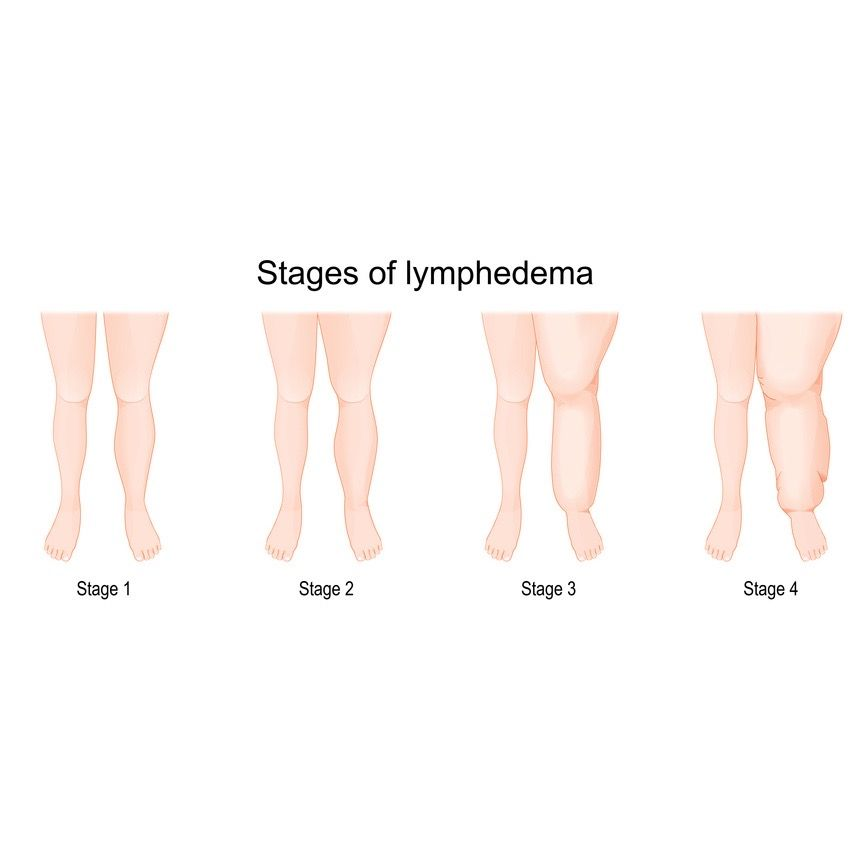
Once diagnosed, doctors classify lymphedema into stages:
Stage 0 (Latent Stage)
No visible swelling, but lymphatic damage has begun.
Stage 1 (Early Stage)
Swelling appears but may reduce when the limb is elevated.
Stage 2 (Moderate Stage)
Swelling becomes persistent and tissue begins to harden.
Stage 3 (Severe Stage)
Significant swelling with skin thickening and possible complications.
Understanding the stage helps doctors create the most effective treatment plan.
Why Early Diagnosis Matters
If left untreated, lymphedema can lead to:
Early diagnosis allows doctors to start treatments like compression therapy, physiotherapy, lymphatic drainage, and lifestyle modifications to control the condition effectively.
Why Early Diagnosis Matters
If left untreated, lymphedema can lead to:
Early diagnosis allows doctors to start treatments like compression therapy, physiotherapy, lymphatic drainage, and lifestyle modifications to control the condition effectively.
When Should You See a Doctor?
You should consult a specialist if you notice:
Professional Diagnosis of Lymphedema at Bankers Vascular Hospital
Our staff at Bankers Vascular Hospital accurately diagnoses and treats lymphedema using cutting-edge diagnostic equipment and a multidisciplinary approach. Our goal is to improve patient outcomes and long-term limb health, from early detection to specialized treatment.
Early consultation might be very beneficial if you or a loved one is suffering unexplained edema.
Advanced Vascular and Lymphatic Health Care at Bankers Vascular Hospital.


Comments
Post a Comment