High Heels & Knee Stress – What Women Should Know
In today’s professional world, heels are often seen as a symbol of confidence, elegance, and authority. But behind that polished appearance, your knees may be silently absorbing excessive stress.
At Bankers Vascular Hospital, we frequently see women—especially working professionals—complaining of early knee pain, stiffness, and difficulty climbing stairs. One common contributing factor? Regular use of high heels.
Let’s understand why.
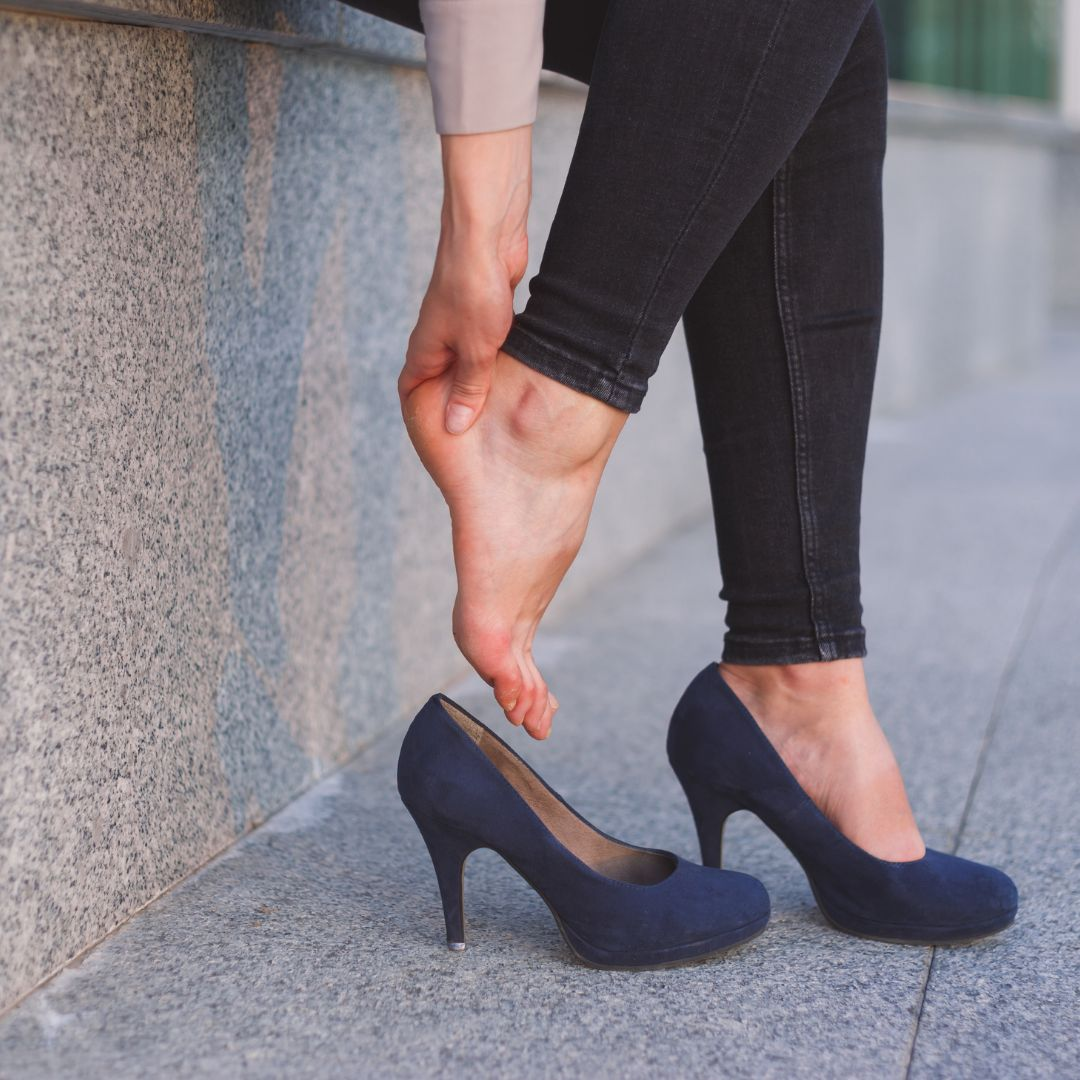
👠 How High Heels Affect Your Knees
When you wear high heels, your body’s natural alignment changes.
1️⃣ Shift in Body Weight
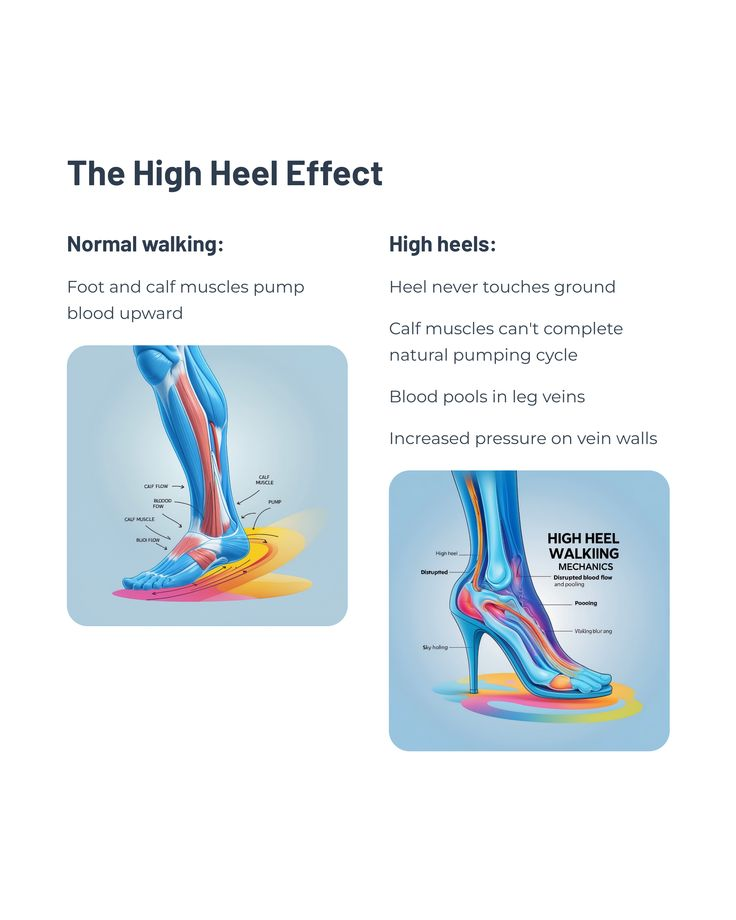
Heels push your body weight forward. To maintain balance, your knees stay slightly bent throughout the day. This constant micro-bend increases pressure on the knee joint.
2️⃣ Increased Knee Joint Load
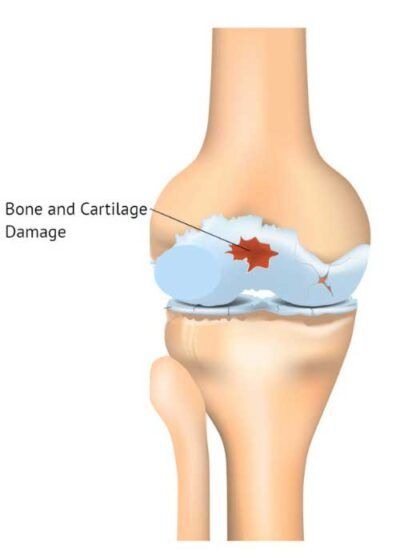
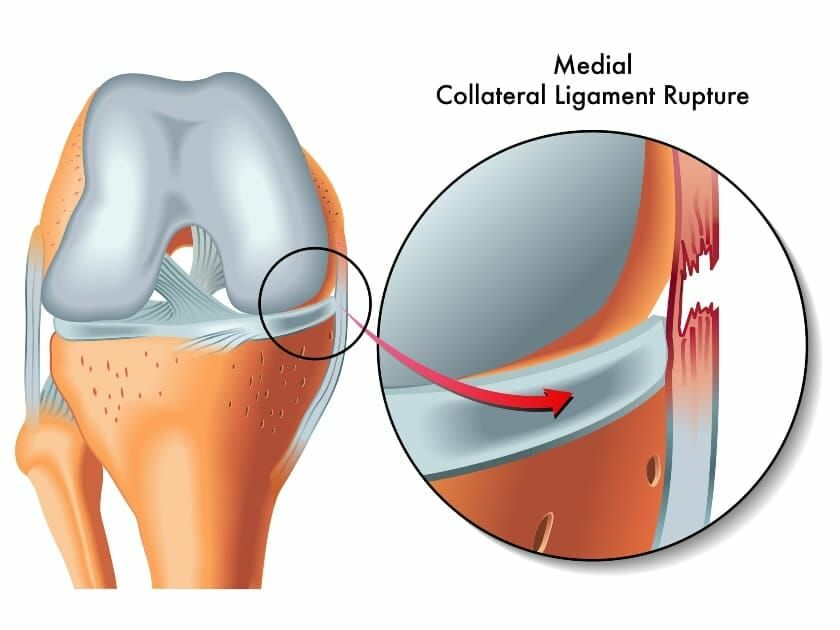
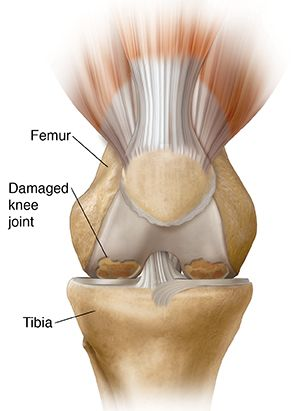
Research shows that wearing heels significantly increases pressure on the medial (inner) compartment of the knee—the same area commonly affected in osteoarthritis.
3️⃣ Altered Biomechanics
Heels shorten your calf muscles and change the angle of your ankle. Over time, this affects:
This repetitive abnormal stress can accelerate cartilage wear.
⚠️ Who Is at Higher Risk?
You may be more vulnerable if you:
We are now seeing younger women in their 30s and early 40s presenting with early degenerative knee changes—something that was previously more common after 50.
🦵 Common Symptoms to Watch For
Ignoring early symptoms may lead to chronic inflammation and progressive joint damage.
👩⚕️ Can You Still Wear Heels?
Yes—but wisely.
✔️ Smart Heel Guidelines
Small changes in footwear habits can significantly reduce long-term knee stress.
💡 When to Seek Medical Advice
If knee pain persists for more than 2–3 weeks, or interferes with daily activities, do not ignore it.
Early evaluation can help:
🏥 The Bankers Approach
At Bankers Vascular Hospital, we focus on early diagnosis, non-surgical solutions, and long-term joint preservation.
Knee pain is not “just age” or “just footwear.” It is often a combination of biomechanical stress and vascular inflammation that can be treated if identified early.
Final Takeaway
High heels may elevate your style—but they also elevate knee joint pressure.
Confidence should never come at the cost of your joint health.
Make informed footwear choices today to protect your mobility tomorrow.
If you or someone you know is experiencing early knee pain, timely consultation can make all the difference.
Because strong knees mean a stronger future.


Comments
Post a Comment