Heavy Periods? Fibroids Could Be the Hidden Cause
Heavy menstrual bleeding is often brushed aside as “normal” or something women must silently endure. But if your periods are excessively heavy, prolonged, or painful, it may be your body signaling an underlying problem. One of the most common hidden causes of heavy periods is uterine fibroids.
At Bankers Vascular Hospital, we frequently see women who have suffered for years—unaware that fibroids were the real reason behind their heavy bleeding.
What Are Heavy Periods?
Heavy menstrual bleeding (medically called menorrhagia) is not just about discomfort—it can seriously impact daily life and health.
You may have heavy periods if you:
If this sounds familiar, it’s time to look deeper.
What Are Uterine Fibroids?
Fibroids are non-cancerous growths that develop in or around the uterus. They are extremely common, especially in women between 30–50 years.
Fibroids vary in:
Depending on where they grow, fibroids can significantly affect menstrual flow.
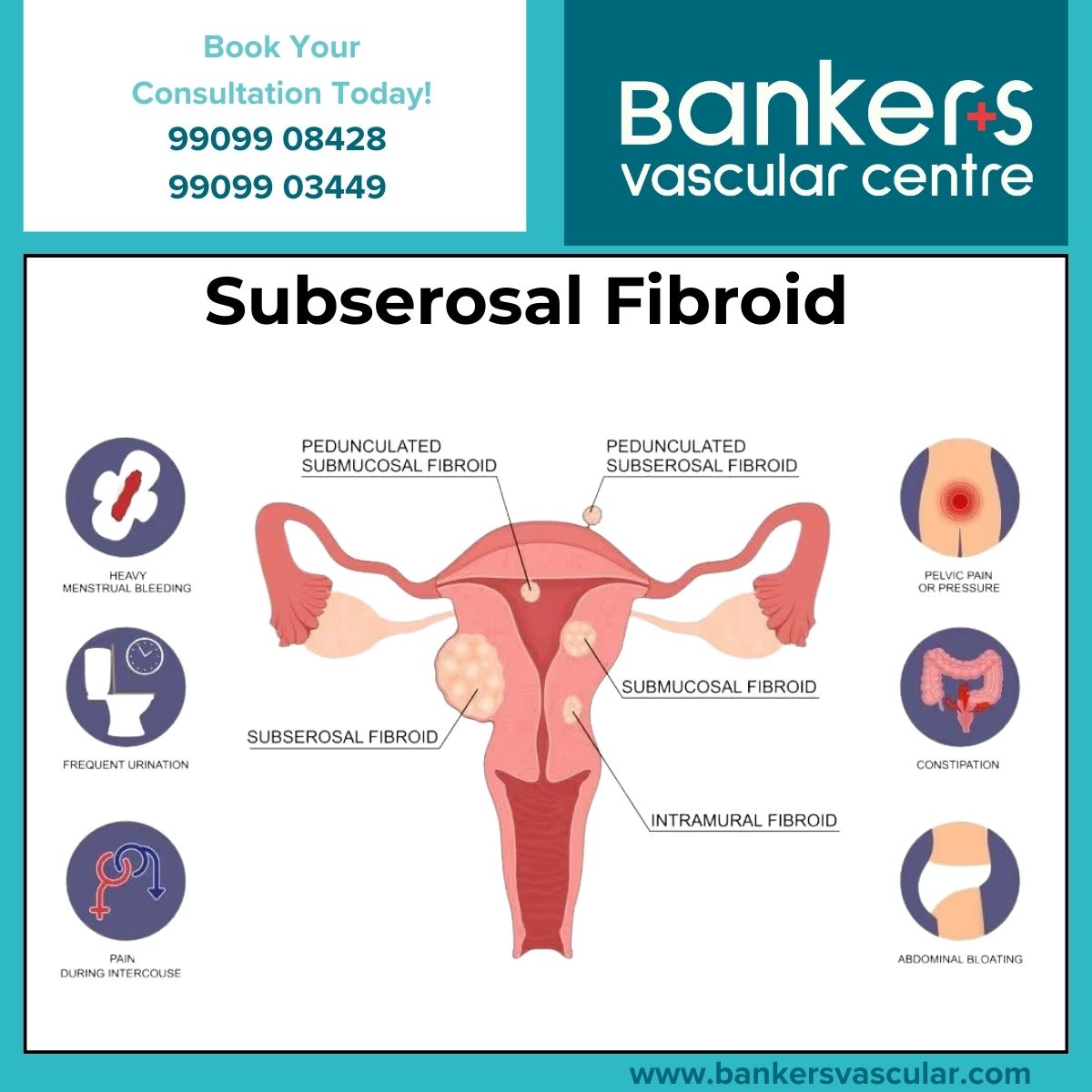
How Fibroids Cause Heavy Periods
Fibroids can lead to heavy periods in several ways:
Many women don’t realize fibroids are present until symptoms worsen.
Other Symptoms of Fibroids
Apart from heavy periods, fibroids may also cause:
Why Fibroids Are Often Missed
Fibroids are a “hidden” cause because:
Early diagnosis makes treatment much simpler and safer.
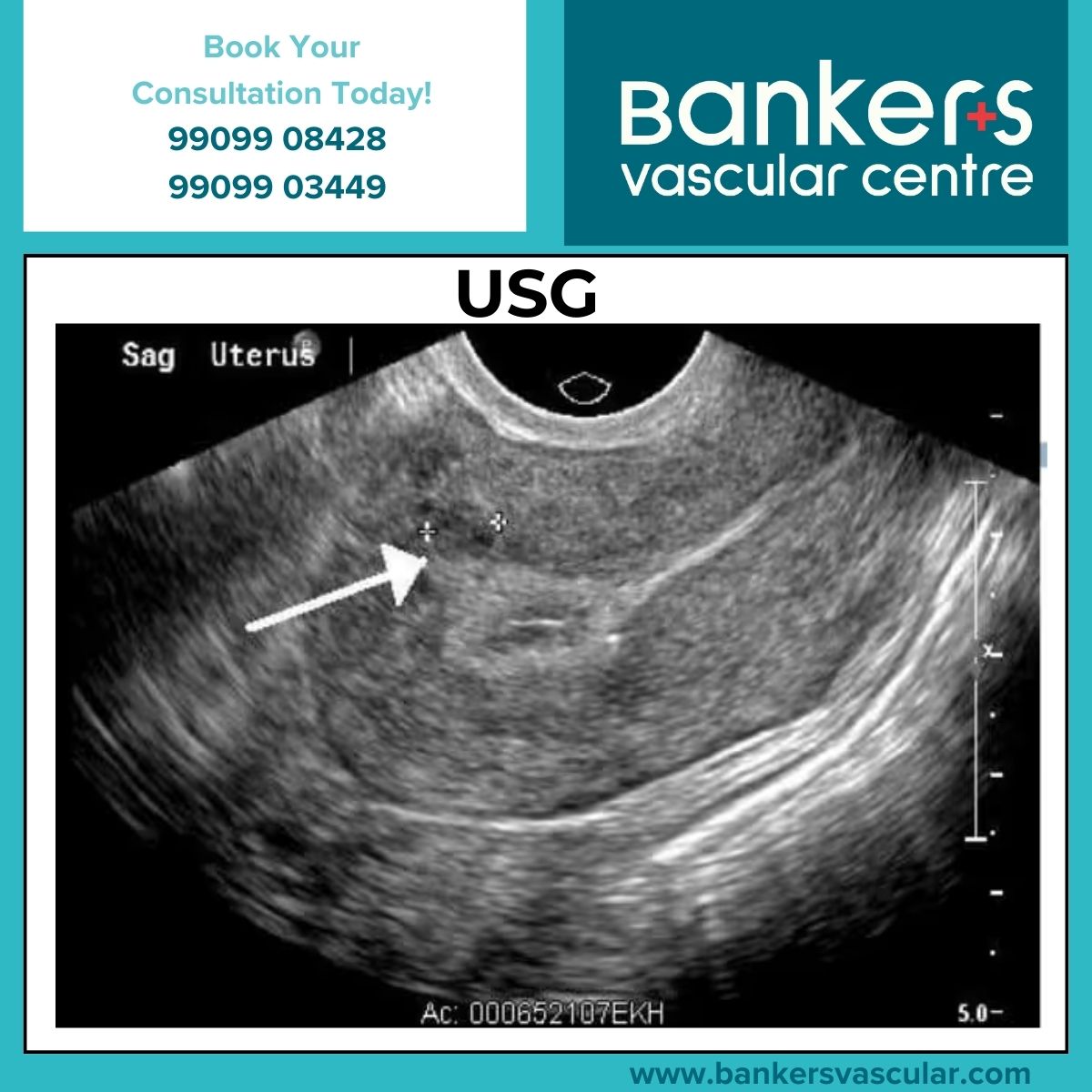
Diagnosis: How Fibroids Are Detected
At Bankers Vascular Hospital, fibroids are accurately diagnosed using:
Modern Treatment Options – No Major Surgery Needed
The good news? Surgery is not the only option anymore.
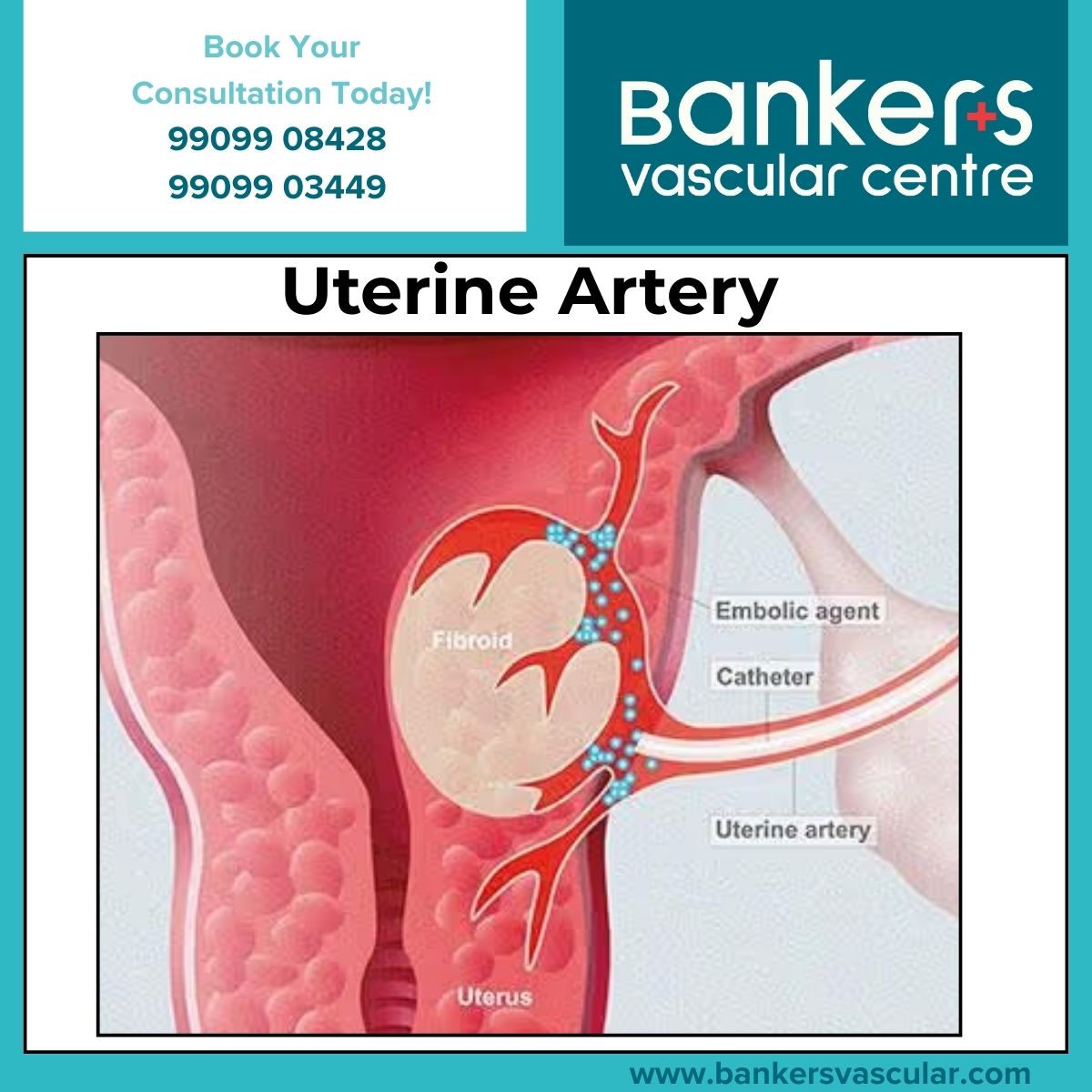
Uterine Artery Embolization (UAE)
A minimally invasive, image-guided procedure that:
This advanced treatment is available at Bankers Vascular Hospital and is ideal for women who want relief without major surgery.
When Should You See a Doctor?
Don’t ignore heavy periods if:
Early evaluation can prevent complications and unnecessary suffering.
Take Control of Your Health
Heavy periods are not normal when they disrupt your life. Fibroids may be silently growing—but timely diagnosis and modern treatment can bring lasting relief.
At Bankers Vascular Hospital, our vascular and interventional experts offer advanced, uterus-saving solutions tailored to your needs.
Consult early. Treat smart. Live better.


Comments
Post a Comment