Hair Thinning in Young Adults: Causes Doctors Are Seeing More Often
Hair thinning and early hair loss are no longer issues only seen in older adults. More young adults — both men and women in their 20s and 30s — are noticing changes in hair density, noticing wider parts, sparse areas, or excessive hair fall. While losing a few strands each day is normal, persistent thinning can be distressing and may signal an underlying issue.
In this blog, we explore common causes, what doctors are noticing more often, and practical steps you can take.
Why Is Hair Important?
Hair plays roles beyond looks — it affects confidence, identity, and self-esteem. When hair thins, it can trigger anxiety and impact quality of life. Understanding the causes helps reduce worry and lets you take effective action early.
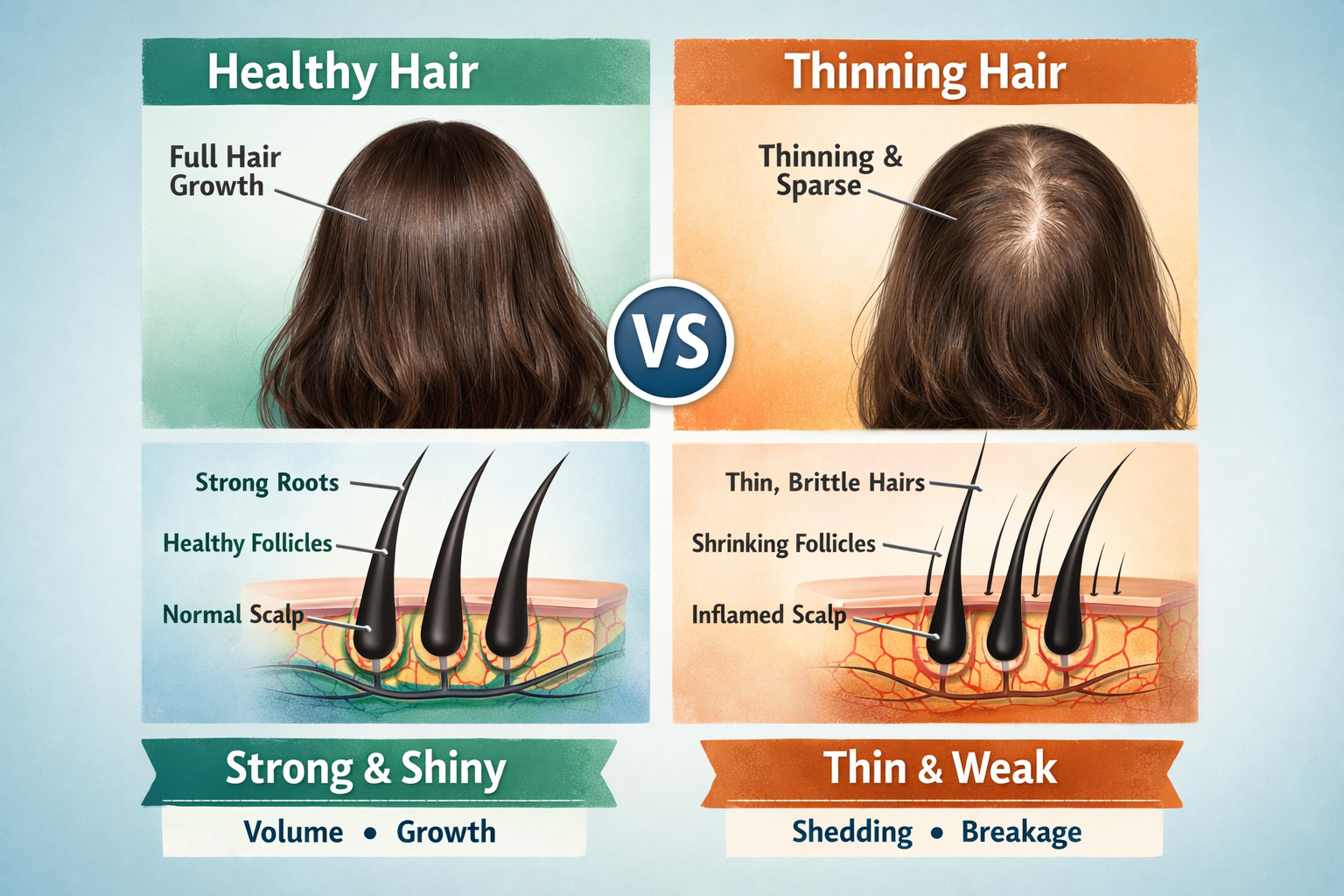
Common Causes of Hair Thinning in Young Adults
1. Genetic Patterns (Androgenetic Alopecia)
Genetics are the most common reason for hair thinning. In men, it’s often called male pattern baldness; in women, female pattern hair loss. Hormones called androgens interact with hair follicles, causing them to shrink and produce thinner hairs over time.
2. Stress and Lifestyle Factors
Chronic stress — from work, relationships, or lifestyle pressure — can trigger a condition called telogen effluvium, where more hairs than usual enter the shedding phase.
Common triggers include:
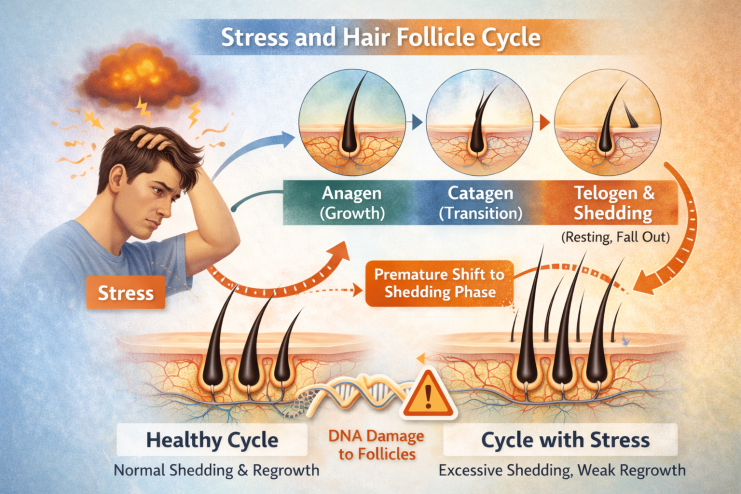
This type of hair loss is often temporary, but persistent stress can make it ongoing.
3. Nutritional Deficiencies
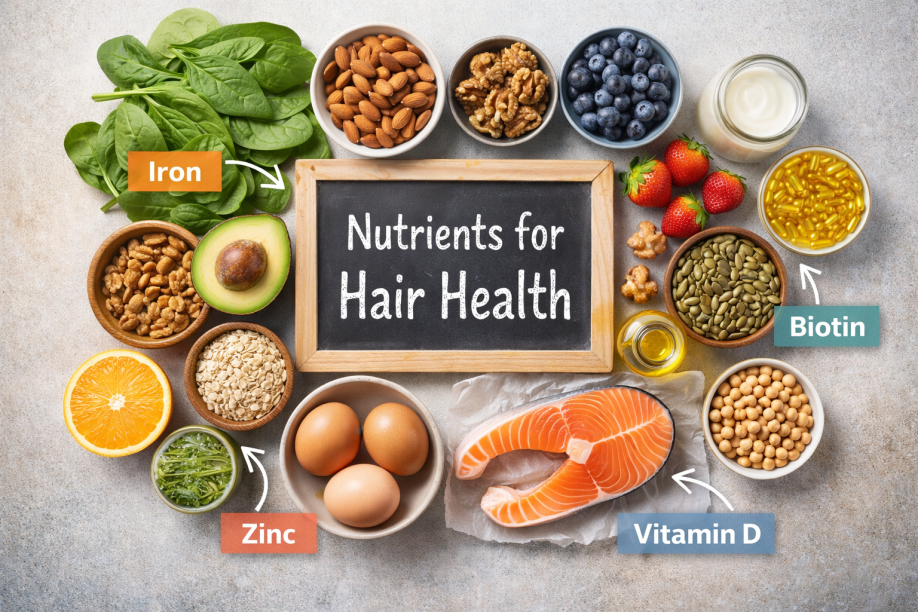
Young adults who follow restrictive diets, skip meals, or are undernourished may not get enough of:
Deficiencies can weaken hair structure and reduce hair growth.
4. Hormonal Imbalances
Changes in hormone levels can influence hair growth cycles. Causes include:
For women, irregular periods, acne, and weight changes often accompany hormonally driven hair thinning.
5. Scalp Conditions and Inflammation
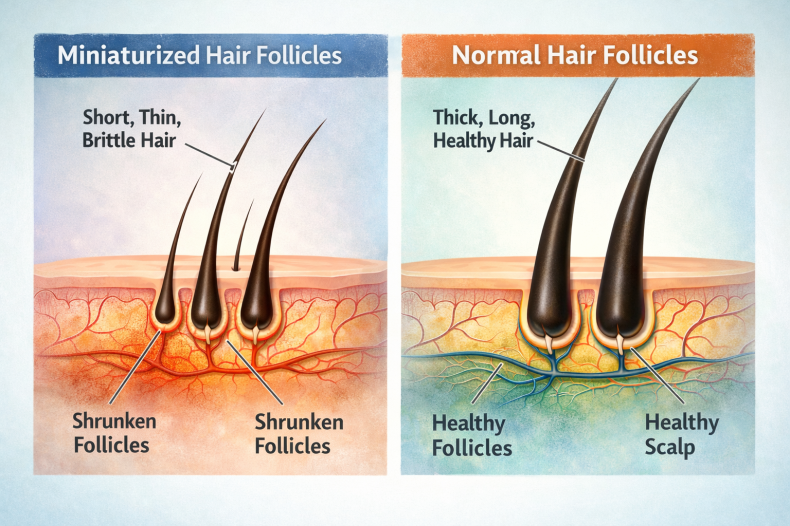
Dermatological issues like:
…can weaken follicles and reduce hair density.
6. Hair Styling Damage
Repeated chemical treatments, heat styling, tight braids or ponytails, and bleaching can damage hair shafts and cause traction alopecia — hair loss due to constant tension.
7. Medications & Medical Treatments
Some medications — especially those for acne, depression, or autoimmune conditions — can trigger hair thinning as a side effect. Chemotherapy is the most well-known, but even non-cancer treatments can affect hair growth.
8. Smoking and Environmental Toxins
Smoking affects circulation and introduces toxic substances, which may impair hair growth over time.
What Are Doctors Seeing More Often?
According to dermatologists and trichologists, these patterns are showing up frequently:
👉 Early onset androgenetic alopecia
More young adults are genetically predisposed and showing symptoms earlier than in past decades.
👉 Stress-related hair shedding
Lifestyle and pandemic-related stress continue to be major contributors.
👉 Hair thinning linked to nutritional gaps
Fast lifestyles, dieting trends, and meal skipping contribute to micronutrient shortages.
👉 Styling-related damage
Especially among women who bleach, perm, or tightly style hair often.
When to See a Doctor
Seek medical advice if you notice:
✔ Sudden, excessive hair shedding
✔ Bald patches on the scalp
✔ Severe thinning over several months
✔ Signs of scalp inflammation
✔ Changes alongside other symptoms (weight change, acne, fatigue)
A professional can do blood work, scalp exams, and targeted tests to diagnose the cause.
Evidence-based Treatment Options
Depending on the cause, doctors may recommend:
🔹 Medical Treatments
🔹 Dietary & Lifestyle Changes
🔹 Scalp Care
Gentle cleansing, avoiding harsh chemicals, and reducing heat styling.

Platelet-Rich Plasma (PRP) or Laser Therapy
Used in more advanced cases to stimulate follicles.
Final Thoughts
Hair thinning in young adults is increasingly common — but it’s not something you have to navigate alone. With early detection, proper care, and guided treatment, many people see improvement or stabilization.
Remember: every person’s hair journey is unique, and healthy habits often make a big difference.
Bankers Vascular Centre
Hair thinning can be stressful — but you don’t have to face it alone. Bankers Vascular Centre offers personalized hair loss evaluation and advanced therapies guided by experienced doctors.


Comments
Post a Comment