Gym Heavy Lifting & Piles – What You Should Know
By Bankers Vascular Hospital
In recent years, heavy weight training has become extremely popular — especially among young professionals and fitness enthusiasts. Deadlifts, squats, leg presses, and intense core workouts are now part of regular gym routines.
But one question we frequently hear at Bankers Vascular Hospital is:
“Can heavy lifting cause piles?”
The answer is — yes, it can trigger or worsen piles if not done correctly.
Let’s understand how.
What Are Piles?
Piles (hemorrhoids) are swollen veins in the lower rectum and anus, similar to varicose veins but located internally or externally around the anal area.
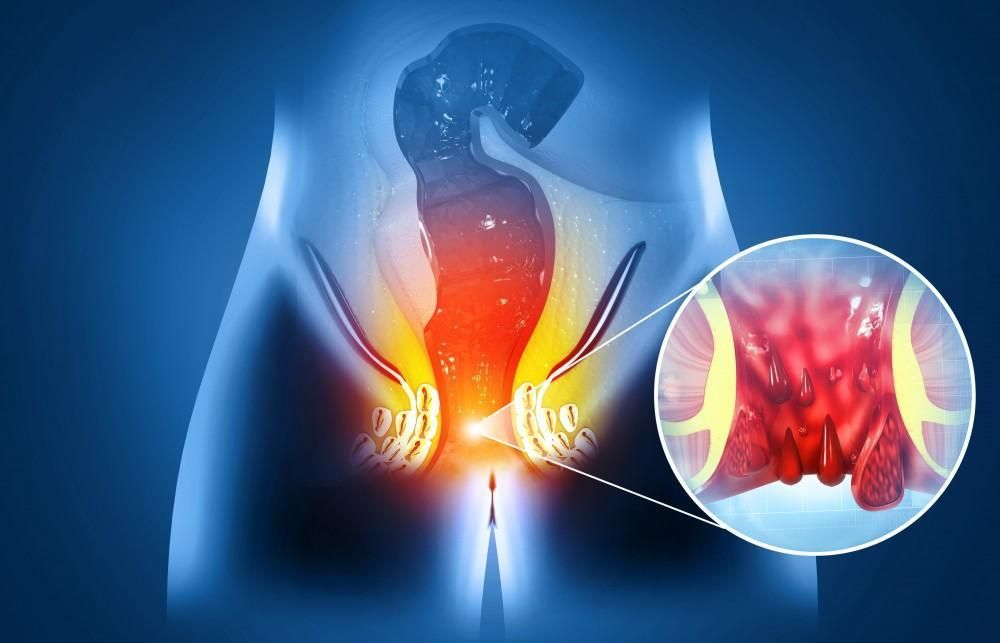
They develop due to:
How Heavy Lifting Affects Piles
When you lift very heavy weights — especially during squats or deadlifts — you naturally hold your breath and strain. This is called the Valsalva maneuver.
That sudden pressure:
If someone already has early-stage piles, heavy lifting without proper technique can push the condition into a more painful stage.
Warning Signs Gym-Goers Should Not Ignore
If you regularly lift heavy and notice:
Do not ignore these symptoms. Early treatment prevents complications.
Can You Continue Gym If You Have Piles?
Yes — but with precautions.
✔ What You Should Do:
✘ What You Should Avoid:
When Is It Serious?
If piles become:
Then advanced treatment may be required.
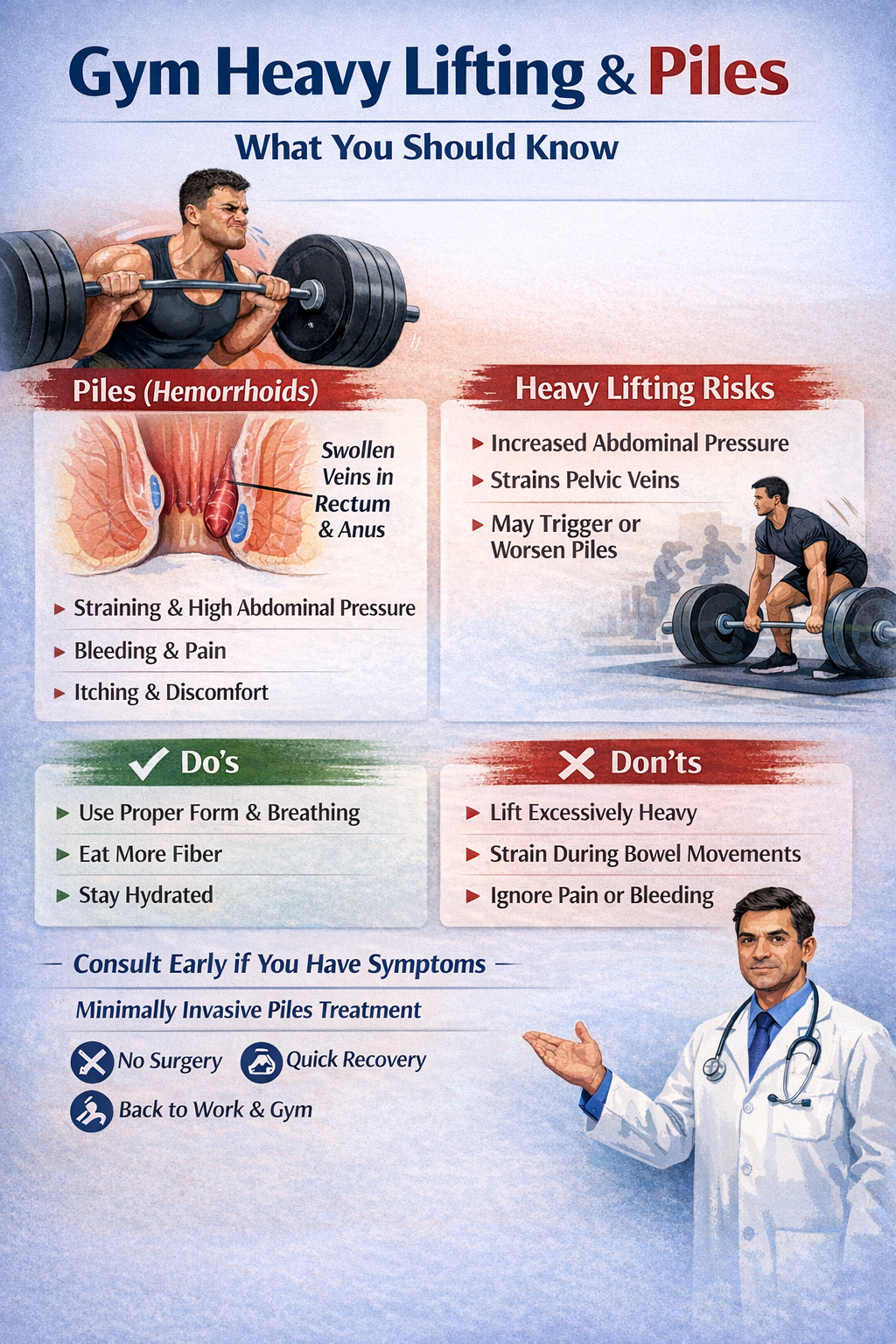
At Bankers Vascular Hospital, we offer minimally invasive, daycare procedures that treat piles effectively with:
Final Advice for Fitness Enthusiasts
Heavy lifting is not the enemy.
Improper technique and ignoring symptoms are.
If you are serious about fitness, you must also be serious about your internal health.
Don’t let piles slow down your progress.
If you experience symptoms, consult a vascular specialist early and get the right guidance.


Comments
Post a Comment