Foot Care Protocol for Diabetic Nerve Damage
Diabetic nerve damage, also known as diabetic neuropathy, is a common complication of diabetes that affects millions of people worldwide. One of the most vulnerable areas is the feet. Reduced sensation, poor circulation, and delayed wound healing significantly increase the risk of infections, ulcers, and even amputations.
A consistent and well-structured foot care protocol is essential for preventing serious complications and maintaining mobility and quality of life.
Understanding Diabetic Nerve Damage in the Feet
Diabetic neuropathy occurs when prolonged high blood sugar levels damage nerves, particularly in the extremities. In the feet, this can lead to:

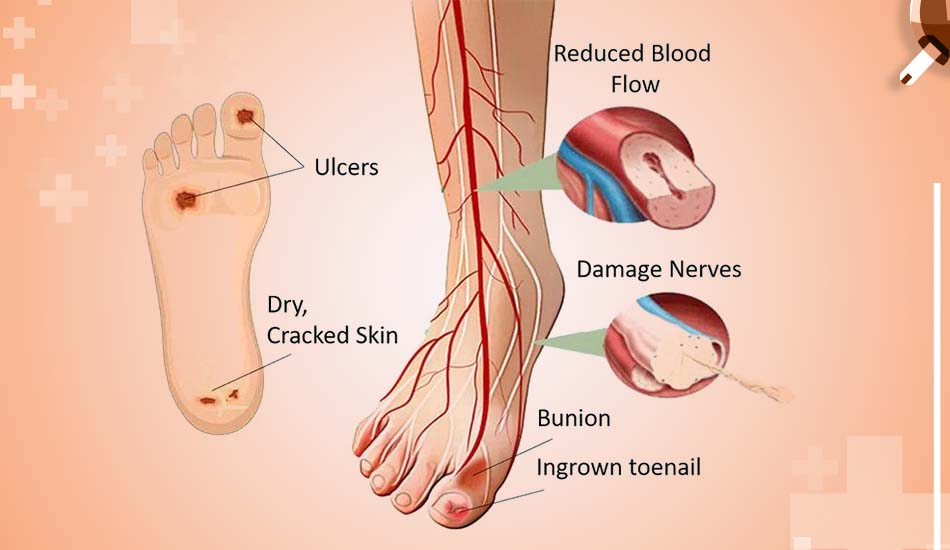
Because pain sensation may be diminished, minor cuts or blisters can worsen quickly without proper care.
Daily Foot Care Routine
A daily foot care routine is the foundation of prevention.
1. Inspect Your Feet Every Day
Check the tops, soles, heels, and between the toes for:

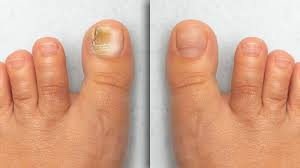
Using a mirror or asking for help can make inspections easier.
2. Wash and Dry Thoroughly
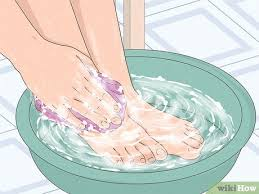
3. Moisturize Carefully
Apply a moisturizer to prevent dryness and cracking, but avoid applying lotion between the toes, as excess moisture can encourage infections.

Nail and Skin Care
Proper nail and skin maintenance reduces the risk of wounds.
If nails are thick, brittle, or difficult to manage, professional podiatric care is advised.
Footwear and Protection
Wearing the right footwear is critical for people with diabetic nerve damage.
Choose Proper Shoes
Avoid tight shoes, high heels, or pointed toes.
Always Wear Socks

Never walk barefoot — even indoors — as injuries may go unnoticed.
Preventing Injuries and Infections
If a wound does not improve within 24–48 hours, seek medical care promptly.
Managing Blood Sugar Levels
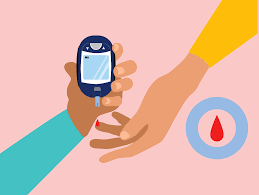
Effective blood sugar control plays a major role in slowing nerve damage progression and improving circulation. This includes:
Better glucose control means better nerve and tissue health.
Regular Medical Checkups
Routine professional care is essential.
Early intervention can prevent serious complications.
When to Seek Immediate Medical Attention
Contact a healthcare provider immediately if you notice:
Delaying treatment can lead to severe outcomes.


Comments
Post a Comment