Fibroids v/s PCOS: How to Tell the Difference
Many women experience irregular periods, heavy bleeding, or pelvic discomfort—but knowing the cause is often confusing. Two common yet very different conditions that affect women’s reproductive health are uterine fibroids and PCOS (Polycystic Ovary Syndrome).
Although their symptoms may overlap, fibroids and PCOS are not the same and require very different treatment approaches. Understanding the difference is the first step toward the right care.
What Are Fibroids?
Fibroids are non-cancerous growths that develop in or around the uterus. They are made of muscle tissue and are most common in women aged 30–50 years.
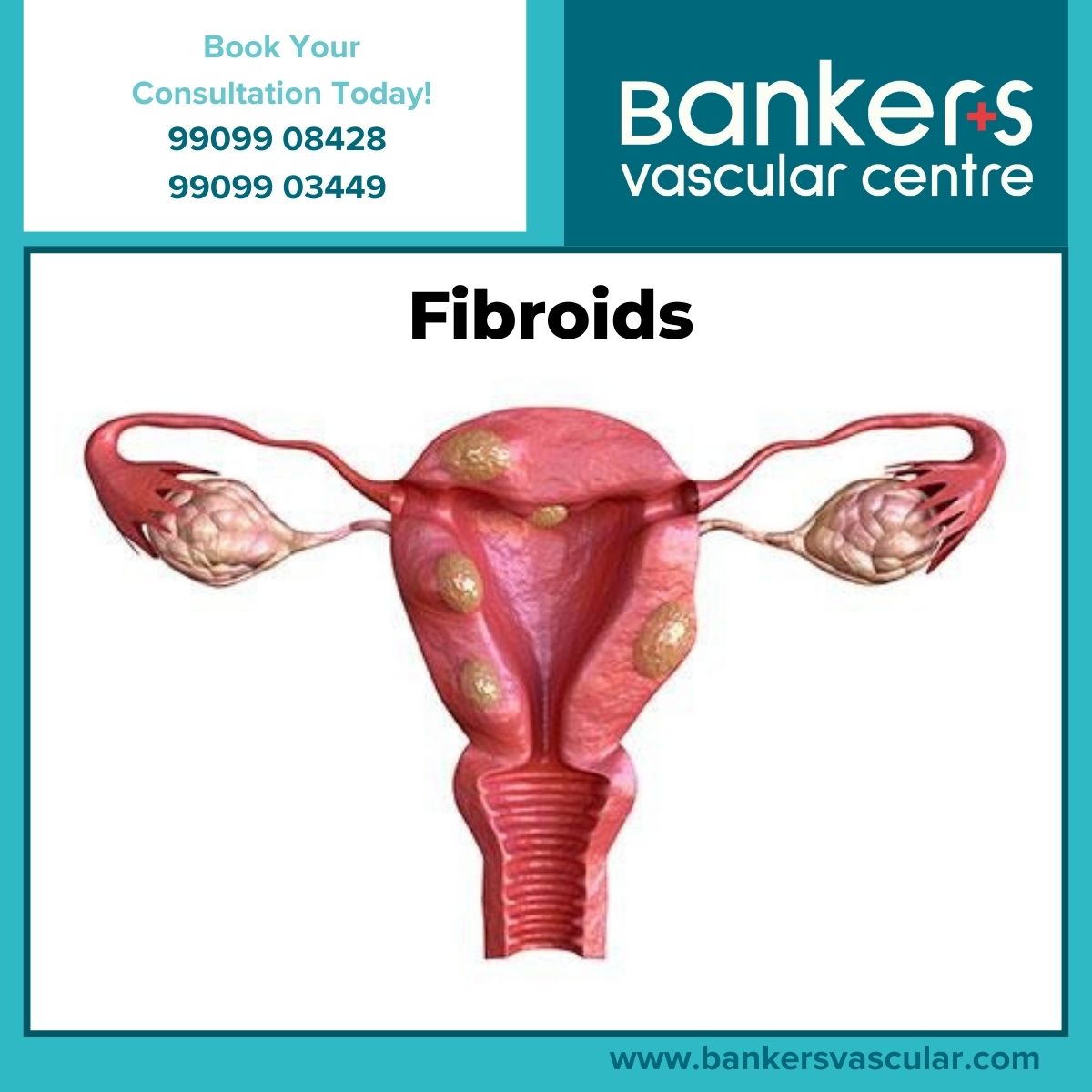
Key Features of Fibroids:
What Is PCOS?
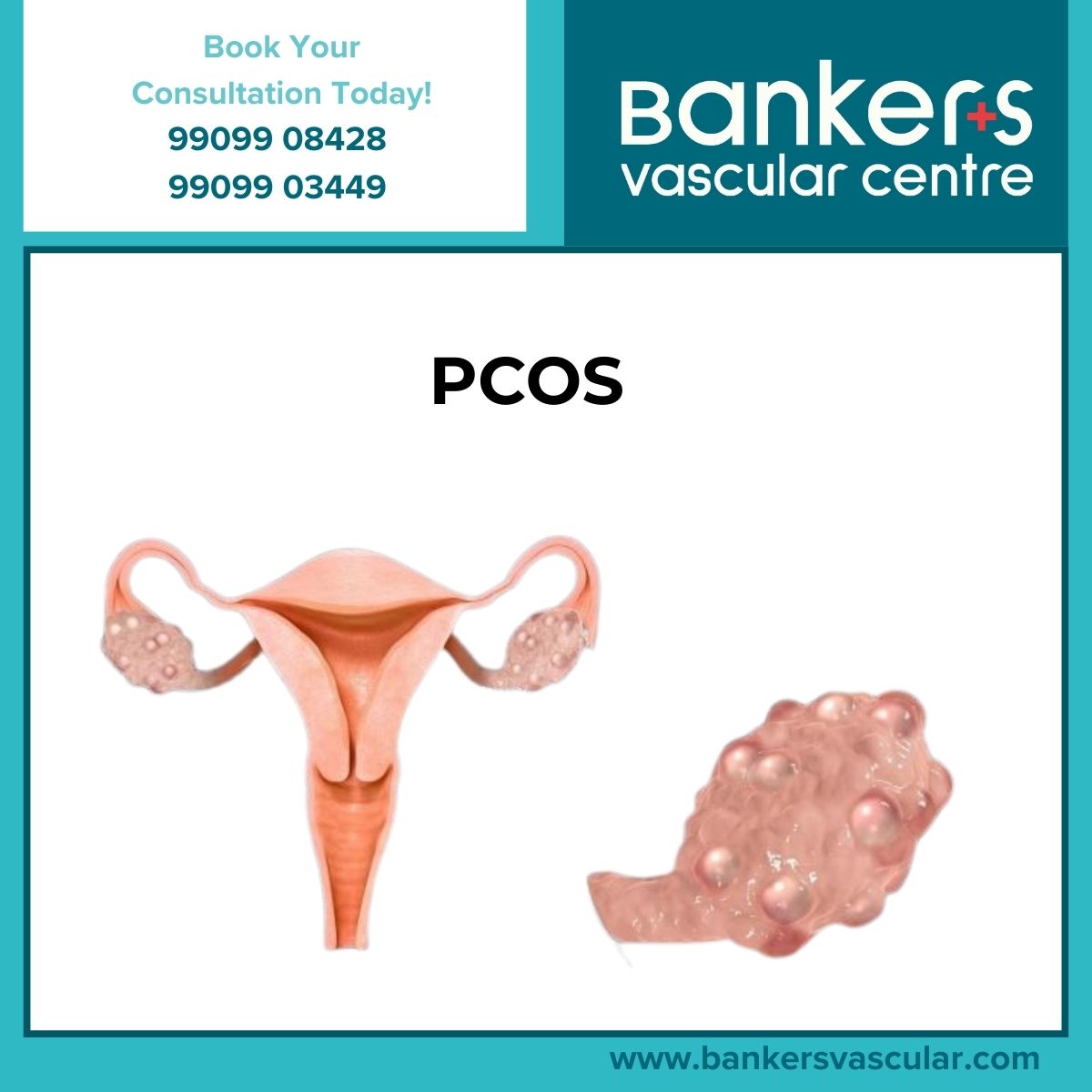
PCOS is a hormonal disorder affecting the ovaries. It disrupts normal ovulation and leads to hormone imbalance.
Key Features of PCOS:
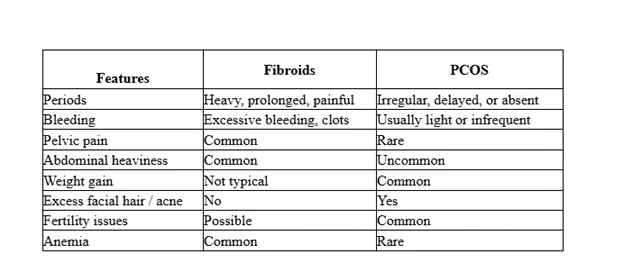
Fibroids v/s PCOS: Symptom Comparison
How to Tell the Difference?
Heavy bleeding with clots?
➡ More likely fibroids
Missed or irregular periods?
➡ More likely PCOS
Pelvic pressure or abdominal swelling?
➡ Suggests fibroids
Acne, facial hair, weight gain?
➡ Points toward PCOS
Pain during periods?
➡ More common with fibroids
Why Proper Diagnosis Matters
Treating fibroids like PCOS—or vice versa—can delay relief and worsen symptoms. Since fibroids are structural and PCOS is hormonal, management strategies differ completely.
At Bankers Vascular Hospital, accurate diagnosis includes:
Treatment Approaches Are Different
Fibroid Treatment Options
PCOS Management
Can You Have Both Conditions?
Yes. Some women may have fibroids and PCOS together, making diagnosis more complex. This is why imaging and specialist evaluation are essential.
When Should You Seek Medical Advice?
Consult a specialist if you have:
Expert Care at Bankers Vascular Hospital
At Bankers Vascular Hospital, we specialize in advanced, image-guided diagnosis and minimally invasive treatments—especially for fibroids—helping women avoid unnecessary surgery and long recovery times.
Know the difference. Get the right treatment. Reclaim your health.


Comments
Post a Comment