Early Warning Signs of Breast Tissue Edema
Breast tissue edema refers to the buildup of excess fluid within the breast. While mild swelling can occur due to normal hormonal changes, persistent or unexplained breast edema may signal an underlying medical condition that needs evaluation. Recognizing early warning signs can help ensure timely diagnosis and treatment.

What Is Breast Tissue Edema?
Breast tissue edema occurs when fluid accumulates in the spaces between cells. This can result from inflammation, lymphatic or circulatory problems, trauma, infection, or certain medical conditions. Early symptoms are often subtle and may be mistaken for routine breast discomfort.
Early Signs to Watch For
1. Persistent Breast Swelling
One breast or both may appear larger or feel heavier than usual. Swelling that does not resolve after the menstrual cycle deserves medical attention.
2. Tightness or Heaviness
A feeling of fullness, pressure, or tightness in the breast may be an early indicator of fluid buildup.
3. Skin Changes
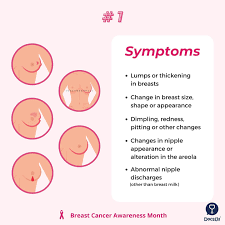
The skin over the breast may appear stretched, shiny, or slightly thickened. In some cases, pressing the skin may leave a temporary indentation.
4. Breast Tenderness or Discomfort
Edema can cause dull aching or tenderness that is different from typical cyclical breast pain.
5. Changes in Texture
Breast tissue may feel firmer or more dense than usual, without a distinct lump.
6. Reduced Bra Fit Comfort
Bras may feel suddenly tight or uncomfortable despite no change in weight.
When to Seek Medical Care
Breast tissue edema should be evaluated if it:
Early assessment helps rule out infection, lymphatic disorders, or other breast conditions.
Why Early Detection Matters
Untreated edema can lead to increased tissue pressure, reduced circulation, discomfort, and progressive tissue changes. Early diagnosis allows treatment to focus on addressing the underlying cause and preventing complications.


Comments
Post a Comment