Diagnostic Pathway for Unexplained Body Pain
A Structured Medical Approach — By Bankers Vascular Hospital
Body pain without a clear injury or visible cause is one of the most common — and most confusing — complaints patients bring to doctors. Many people live with persistent pain for months, trying self-medication, massages, or random therapies without real answers.
At Bankers Vascular Hospital, we follow a structured, evidence-based diagnostic pathway to identify the true source of unexplained body pain — because correct diagnosis is the foundation of correct treatment.
Let’s understand how doctors systematically evaluate unexplained pain.
Why Unexplained Body Pain Should Not Be Ignored
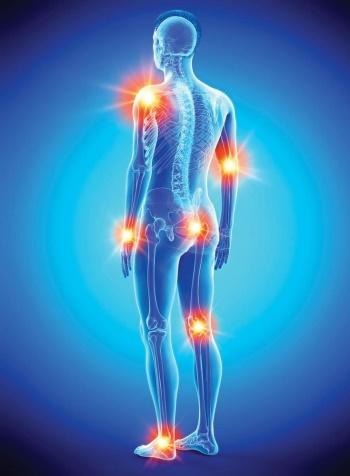
Pain that continues for weeks or months may be linked to:
Treating symptoms alone often delays real recovery.
Step 1 — Detailed Clinical History
Diagnosis begins with listening — not scanning.
Doctors carefully assess:
Medical background is also reviewed:
Many times, this step already points toward the likely cause.
Step 2 — Pain Type Classification
At Bankers Vascular Hospital, pain is categorized early — because treatment differs by pain type.
Mechanical Pain
Neuropathic Pain
Vascular Pain
Inflammatory Pain
Correct classification prevents wrong treatment.
Step 3 — Targeted Physical Examination
A focused clinical examination includes:
This step helps narrow the diagnostic direction.
Step 4 — Red Flag Screening
Some pain patterns require urgent investigation.
Warning signs include:
These may indicate serious underlying disease and are never ignored at Bankers Vascular Hospital.
Step 5 — Laboratory Investigations
Based on suspicion, doctors may order:
These help detect hidden systemic causes.

Step 6 — Imaging Studies
When structural problems are suspected:
X-Ray
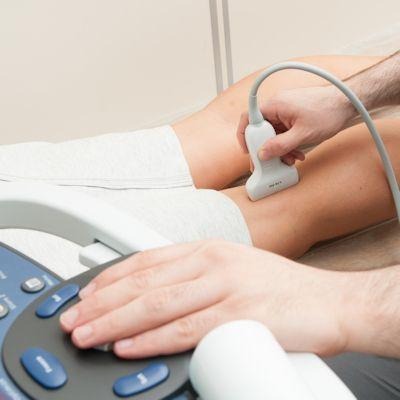
Ultrasound
MRI
Imaging is used selectively — not blindly.
Step 7 — Nerve & Circulation Testing
When symptoms suggest nerve or vascular origin:
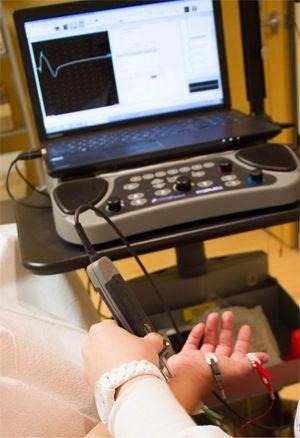
Nerve Conduction Study / EMG
Vascular Doppler Studies
Vascular and microcirculatory causes of pain are often overlooked — but not at Bankers Vascular Hospital.
Step 8 — Functional & Lifestyle Assessment
Many chronic pain cases are linked to:
Functional evaluation is essential for long-term recovery.
Step 9 — Chronic Pain Syndromes Consideration
If routine tests are normal, specialized diagnoses are considered:
These require expert-level assessment and targeted therapy.
The Bankers Vascular Hospital Approach
At Bankers Vascular Hospital, we focus on:
✅ Root-cause diagnosis
✅ Advanced vascular & nerve evaluation
✅ Microcirculation-focused assessment
✅ Minimally invasive treatment options
✅ Multidisciplinary pain management
✅ Evidence-based protocols
We believe pain without diagnosis is suffering without direction — and that should never happen.
Final Message
Persistent unexplained body pain is not “normal aging” and not “just stress.”
It is a signal — and it deserves structured medical evaluation.
Correct pathway → Correct diagnosis → Correct treatment → Lasting relief.


Comments
Post a Comment