Delaying Urination During Work – How It Affects Prostate
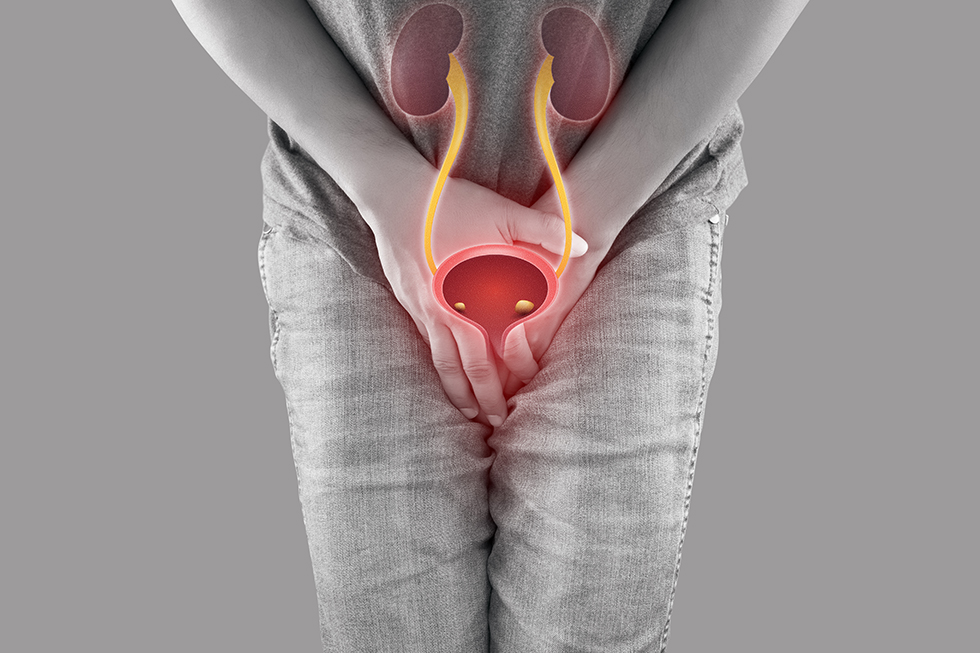
What Happens When You Hold Urine Too Long?
Your bladder is designed to stretch and store urine. But repeatedly ignoring the urge can:
🧠 How It Relates to the Prostate
The prostate sits just below the bladder and surrounds the urethra (the tube urine flows through). When bladder pressure increases, it can affect how urine passes through the prostate area.
1) Increased Risk of Prostatitis
Prostatitis (inflammation of the prostate) can sometimes be worsened by:
Repeatedly holding urine may contribute to pelvic congestion and irritation.
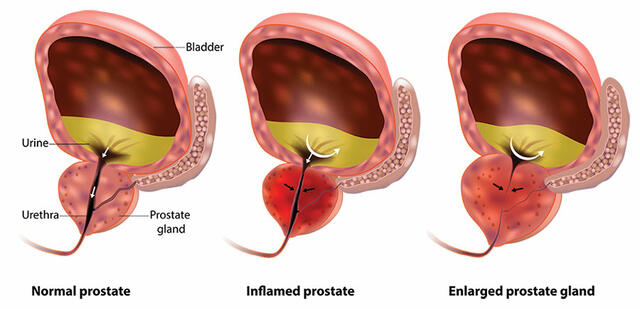
2) Can It Cause Enlarged Prostate?
Benign prostatic hyperplasia (BPH) is mainly caused by:
Holding urine does not directly cause BPH, but if you already have BPH, delaying urination can:
3)Urinary Retention Risk
Severe and repeated bladder overdistension can lead to:
In men with prostate enlargement, this combination can increase risk of sudden inability to urinate (a medical emergency).
Signs You Shouldn’t Ignore
If you regularly delay urination and notice:
You should consider seeing a doctor.
How Long Is “Too Long”?
Most healthy adults should urinate every 3–4 hours during the day.
Holding urine for 6–8+ hours regularly is not ideal.


Comments
Post a Comment