Daily Habits That Worsen Elbow & Shoulder Pain Without You Realizing

Elbow and shoulder pain doesn’t always come from injuries or intense workouts. In fact, some of the biggest contributors are small daily habits you probably don’t think twice about.
These habits slowly overload tendons, irritate joints, and prevent healing—often without obvious warning signs until the pain becomes hard to ignore.
Let’s take a closer look at what might be working against your recovery.
1. Prolonged Phone and Device Use
Scrolling, texting, and holding your phone for long periods puts constant strain on:

Your elbow stays bent, your wrist flexed, and your shoulder rolled forward—an ideal setup for overuse injuries.
Why it matters:
This position increases tendon stress and reduces blood flow, especially when done for hours every day.
2. Poor Desk and Laptop Posture
Working with a laptop or keyboard that’s too low or too high forces your shoulders and elbows into awkward positions.
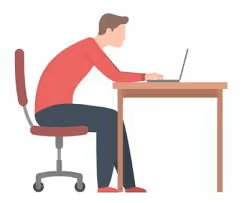
Common issues include:
Over time, this leads to muscle imbalance, tendon overload, and joint irritation.
3. Repetitive Gripping Throughout the Day
Many everyday tasks involve gripping:
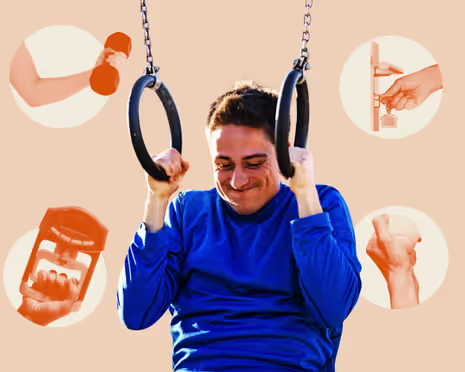
Constant gripping—especially without breaks—places continuous tension on elbow tendons.
Hidden problem:
Even light force, when repeated thousands of times, can lead to tendon degeneration.
4. Sleeping on the Same Side Every Night
Sleeping with your arm under your body or pillow can:

Waking up sore is often a sign your shoulder never gets a break.
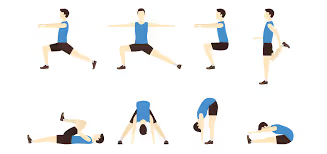
5. Skipping Warm-Ups and Cool-Downs
Jumping straight into activity—whether it’s exercise, chores, or work—puts cold, stiff tissues at risk.
Without proper warm-up:
Even a few minutes of movement can help.
6. Pushing Through Pain “Just One More Time”
Pain is often ignored in daily life:
This habit turns manageable strain into chronic injury.
Key insight:
Pain is not weakness—it’s a warning.
7. Weak Shoulder and Upper Back Muscles
When shoulder stabilizers are weak, the elbow often takes the hit.

Poor shoulder control increases stress on:
Strong shoulders protect your elbows.
8. Holding Tension Without Realizing It
Stress often shows up physically:
Chronic tension keeps muscles overactive and reduces recovery time.
How These Habits Lead to Chronic Pain
Over time, these daily behaviors can cause:
What starts as mild discomfort can become long-term elbow or shoulder pain.
How to Break the Cycle
Small changes make a big difference:
Awareness is the first step toward relief.
When Habits Aren’t the Only Issue
If pain persists despite correcting habits, it may indicate:
In these cases, professional evaluation and advanced treatments may be needed.
Conclusion
Elbow and shoulder pain often isn’t caused by one big mistake—it’s the result of small, repeated habits adding up over time.
By recognizing and correcting these everyday behaviors, you can protect your joints, reduce pain, and support long-term recovery—often without drastic interventions.
Your body notices everything you do. Make sure your daily habits are helping, not hurting.


Comments
Post a Comment