Can Weight Regain Happen After GAE?
A Clear Medical Perspective for Patients Considering This Procedure
In recent years, Genicular Artery Embolization (GAE) has emerged as an advanced, minimally invasive treatment for chronic knee pain caused by osteoarthritis. Many patients who undergo this procedure experience significant pain relief and improved mobility.
But one common question patients ask is:
“Can weight regain happen after GAE?”
Let’s understand this clearly and medically.
First, What Is GAE?
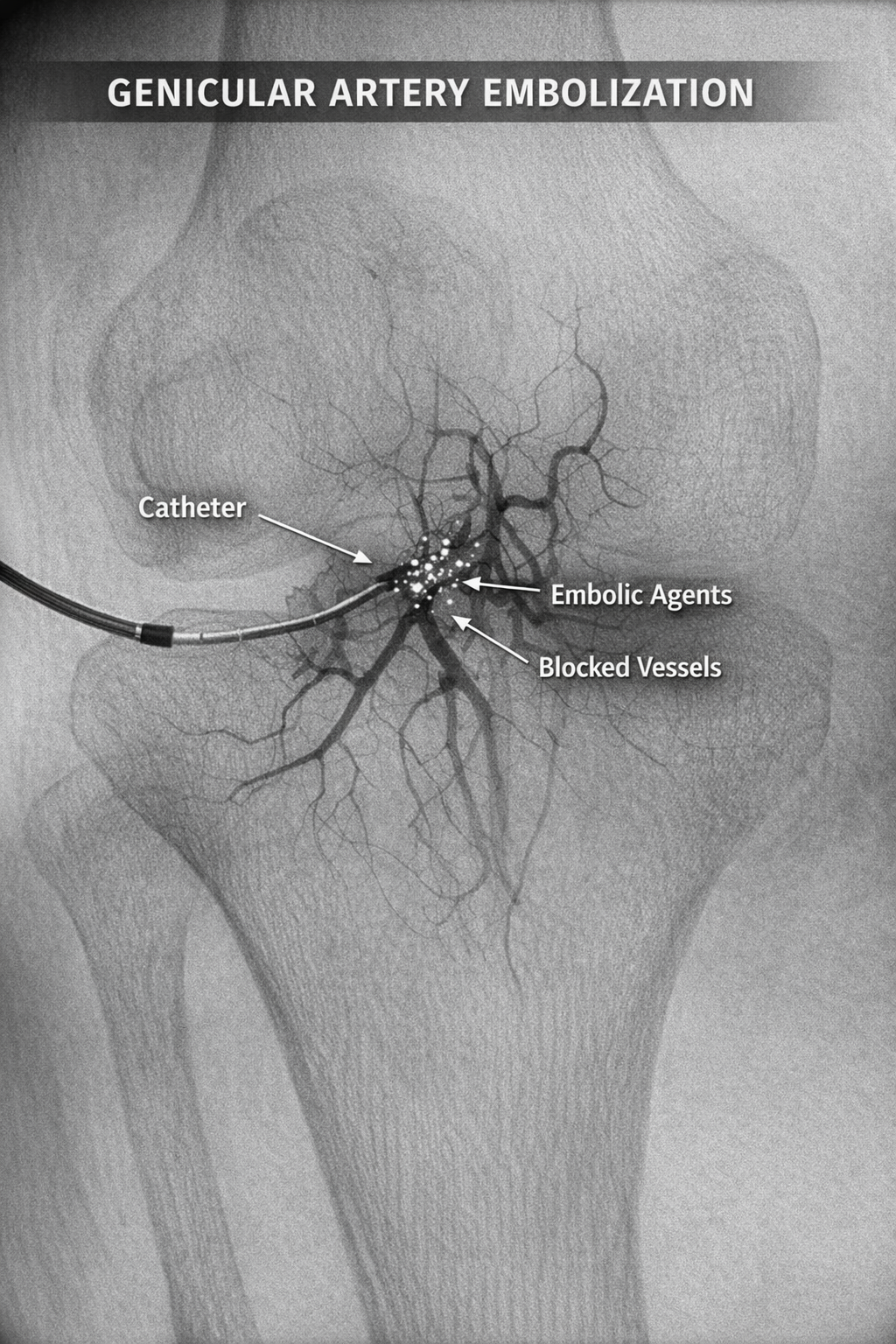
Genicular Artery Embolization (GAE) is a non-surgical procedure that reduces abnormal inflammation in the knee by blocking tiny blood vessels that contribute to chronic pain in osteoarthritis.
It:
It is important to understand one thing clearly:
👉 GAE is not a weight-loss procedure.
It is a pain-management and joint-preserving treatment.
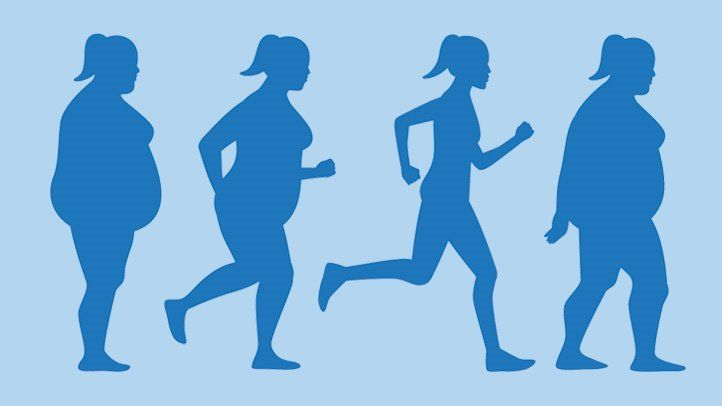
So, Can Weight Regain Happen After GAE?
Yes — but not because of the procedure itself.
Weight regain depends on lifestyle factors, not on GAE directly.
Let’s break this down.
Why Some Patients May Gain Weight After GAE
1️⃣ Reduced Activity Despite Pain Relief
Some patients experience pain relief but do not gradually increase their physical activity. If calorie intake remains high and activity stays low, weight gain can occur.
2️⃣ Long-Standing Sedentary Habits
Patients who had knee pain for years may have developed sedentary habits. Even after pain improves, these habits can continue.
3️⃣ Emotional Eating Patterns
Chronic pain sometimes leads to stress-related eating. If these patterns are not addressed, weight gain can happen regardless of improved mobility.
4️⃣ Misunderstanding the Procedure
Some people assume that once knee pain reduces, everything else will automatically improve — including weight. But metabolic health requires active lifestyle changes.
Important Medical Insight
In fact, many patients:
✔ Move more comfortably after GAE
✔ Start walking regularly
✔ Resume physiotherapy
✔ Become more active
This often helps with gradual weight loss, not weight gain.
But it depends on patient participation.
How to Prevent Weight Regain After GAE
Here’s what we medically recommend:
✅ Start Structured Physiotherapy
Gradual strengthening improves metabolism and joint stability.
✅ Increase Daily Walking
Low-impact activity is ideal after knee embolization.
✅ Follow a Balanced Diet
Focus on:
✅ Monitor Body Weight Monthly
Small increases can be corrected early.
✅ Combine GAE with Lifestyle Counseling
Pain relief creates an opportunity — but lifestyle creates results.
The Bigger Picture
GAE gives patients a second chance at movement.
If used wisely, it can:
But if lifestyle remains unchanged, weight regain can occur — just like in anyone else.
Final Takeaway
🔹 GAE does not cause weight regain.
🔹 Weight regain is lifestyle-related.
🔹 Pain relief should be used as a turning point toward better mobility and healthier habits.
At Bankers Vascular Hospital, we believe treatment doesn’t end with the procedure.
We focus on:
If you are considering GAE or have undergone the procedure and want structured post-procedure guidance, our vascular experts are here to help.
Bankers Vascular Hospital – Advancing Pain Relief Through Precision Vascular Care.


Comments
Post a Comment