Can Diet Influence Breast Edema? What Doctors Want You to Know
Breast edema — or swelling of breast tissue — is a condition many women experience at some point in life. It may present as heaviness, fullness, tenderness, tight skin, or visible swelling. While hormonal changes, infections, lymphatic blockage, surgery, or vascular issues are common causes, one frequently asked question is: Can diet influence breast edema?
The answer is — yes, diet can play a supportive role, especially when swelling is related to fluid retention, inflammation, or hormonal fluctuations. Let’s understand how.
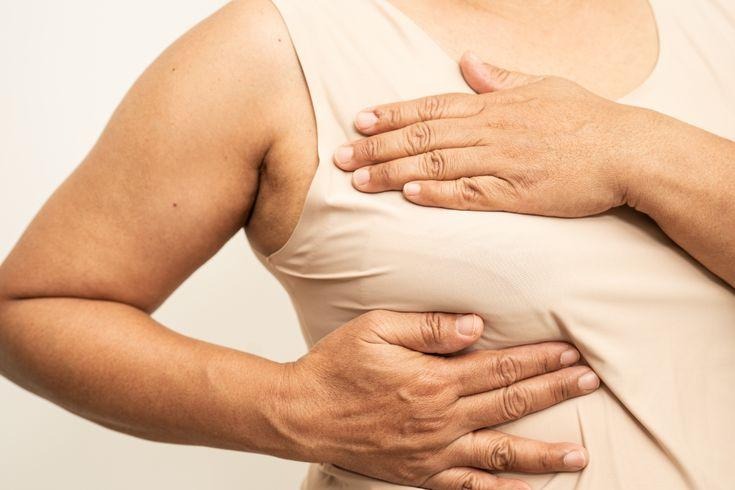
What Is Breast Edema?
Breast edema occurs when excess fluid accumulates in the breast tissues. It can be:
Diet alone is rarely the sole cause — but it can worsen or improve symptoms depending on what you consume.
How Diet Can Affect Breast Swelling
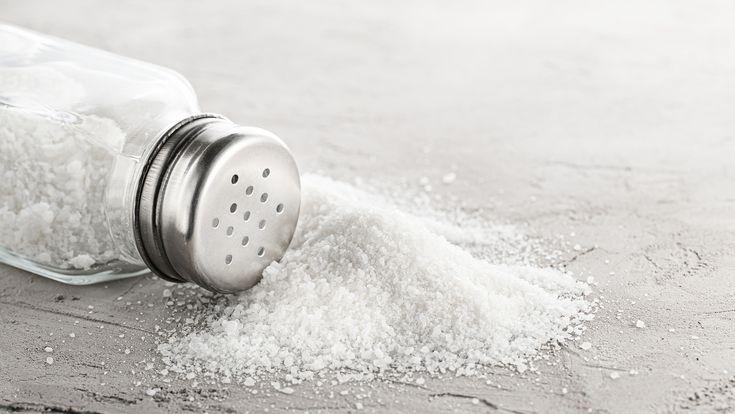
✅ 1. Salt Intake and Fluid Retention
High sodium intake causes the body to retain water. This can lead to:
Reduce: packaged foods, pickles, processed snacks, instant foods, fast food.
Lowering salt often reduces cyclical breast swelling.
✅ 2. Inflammatory Foods Increase Tissue Sensitivity
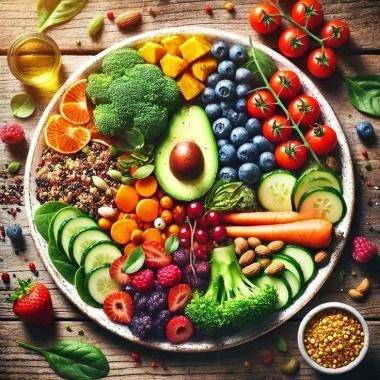
Certain foods promote inflammation, which may worsen tenderness and swelling.
Limit: fried foods, refined sugar, processed meats, trans fats.
Add: fruits, vegetables, nuts, seeds, olive oil, omega-3 rich foods.
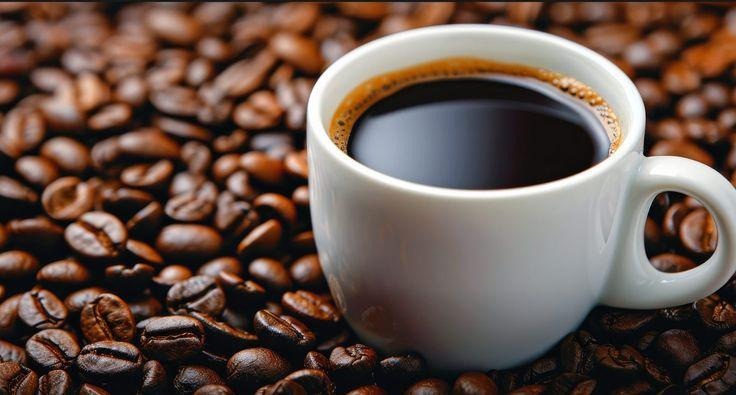
✅ 3. Caffeine and Breast Tenderness
Some women report increased breast pain and fullness with high caffeine intake.
Sources include coffee, strong tea, energy drinks, and chocolate.
Evidence is mixed — but a 2–4 week caffeine reduction trial can help identify personal sensitivity.
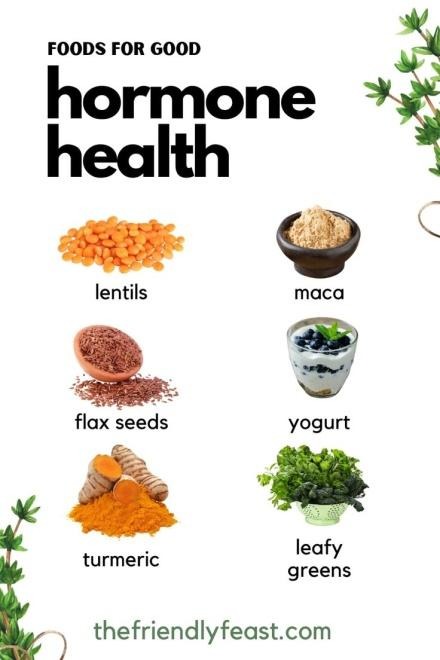
✅ 4. Hormone-Influencing Foods
Breast tissue is hormonally responsive. Diet can indirectly influence hormone balance.
Helpful choices:
These support healthier estrogen metabolism and may reduce cyclical swelling.
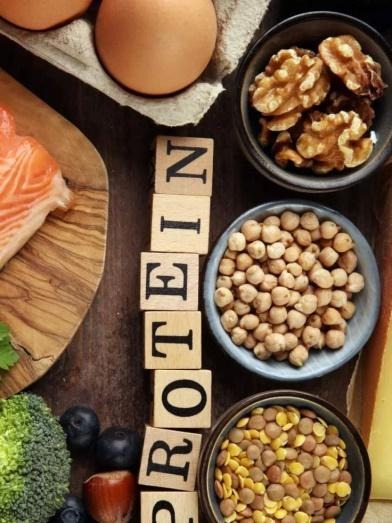
✅ 5. Adequate Protein Supports Fluid Balance
Low protein levels can disturb fluid regulation and worsen edema.
Include lentils, eggs, fish, lean meats, dairy (if tolerated), and plant proteins.
✅ 6. Hydration Reduces Edema
Proper hydration improves kidney function and electrolyte balance, helping reduce fluid retention.
Drink water steadily throughout the day.
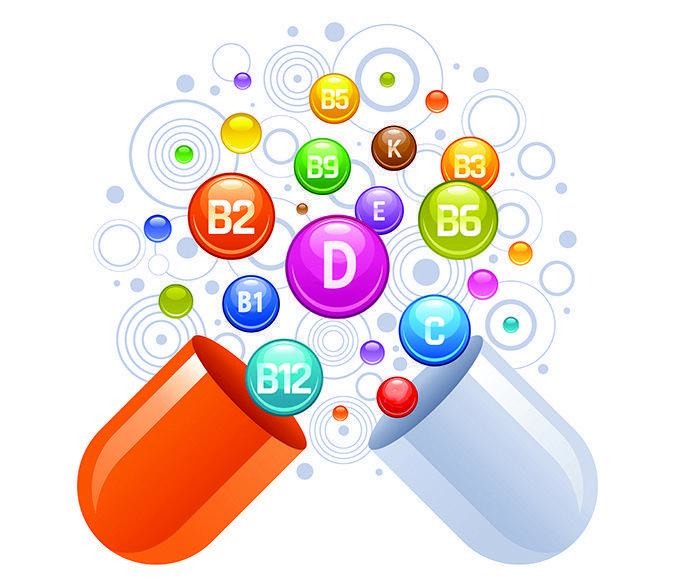
Nutrients That May Help
Some nutrients are linked with reduced premenstrual breast discomfort:
(Use supplements only after medical advice.)
When Diet Alone Is Not Enough
Seek medical evaluation if there is:
These require proper clinical examination and imaging.
Expert Care at Bankers Vascular Hospital
At Bankers Vascular Hospital, we understand that not all swelling is simple fluid retention. Persistent breast edema can sometimes be related to lymphatic or vascular circulation problems that need specialized evaluation.
Our team offers:
Early evaluation prevents complications — don’t ignore persistent swelling.
Consult our specialists for accurate diagnosis and the right treatment pathway.


Comments
Post a Comment